Endoscopy vs Barium Scan vs CT Scan: Which Test Gives the Best Answers for Digestive Problems?
Medicine Made Simple
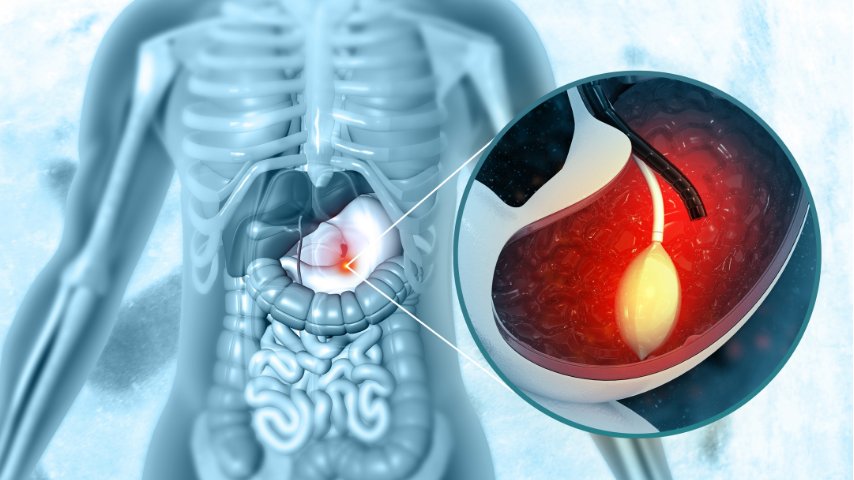
An upper gastrointestinal (GI) endoscopy is a procedure that allows doctors to examine the inside of the food pipe (esophagus), stomach, and the first part of the small intestine using a thin, flexible tube with a tiny camera attached to its tip. The procedure is usually performed under sedation, making it comfortable for most patients. Endoscopy helps diagnose conditions such as acid reflux, ulcers, gastritis, digestive bleeding, swallowing disorders, and certain cancers. Unlike imaging tests, endoscopy allows doctors to directly view the digestive tract and collect tissue samples (biopsies) during the same procedure, making it one of the most valuable tools in digestive healthcare.
Introduction
One of the most common questions patients ask when investigating digestive symptoms is:
"Why do I need an endoscopy when I already had a scan?"
Others wonder whether a CT scan is better than an endoscopy. Some are advised to undergo a barium swallow and immediately ask why they can't simply have an endoscopy instead.
The confusion is understandable.
All these tests are used to investigate digestive problems. All of them help doctors diagnose disease. Yet they are very different from one another.
The truth is that there is no single "best" test for every digestive problem.
Each investigation is designed to answer a specific question. Sometimes one test is enough. In other situations, doctors may need more than one investigation to fully understand what is happening inside the body.
Understanding the difference between endoscopy, barium studies, and CT scans can help you feel more confident about why your doctor has recommended a particular test.
Why Are There So Many Different Digestive Tests?
Imagine your digestive system is like a house.
If you suspect a problem with the plumbing, you may need a camera to inspect the pipes.
If you're concerned about the overall structure of the building, you may need architectural drawings.
If you want to see how water flows through the pipes, you may need a completely different type of inspection.
Each method provides different information.
The same principle applies to digestive investigations.
Some tests help doctors see the lining of the digestive tract.
Some show how food and liquids move.
Others provide detailed images of organs deep inside the body.
No single test can answer every question.
That's why doctors choose investigations based on the symptoms, medical history, and the condition they suspect.
What Exactly Is an Upper GI Endoscopy?
An upper GI endoscopy is one of the most commonly performed procedures in gastroenterology.
During the procedure, a thin flexible tube with a camera is gently passed through the mouth and into the digestive tract.
This allows doctors to directly examine:
- The esophagus (food pipe)
- The stomach
- The first part of the small intestine (duodenum)
The biggest advantage of endoscopy is that doctors can see the actual lining of the digestive tract in real time.
This allows them to identify:
- Inflammation
- Acid reflux damage
- Ulcers
- Digestive bleeding
- Polyps
- Narrowing of the digestive tract
- Abnormal growths
- Early cancers
Most importantly, if an abnormal area is found, tissue samples can be collected immediately for laboratory testing.
This ability to perform biopsies is one of the reasons endoscopy remains such a powerful diagnostic tool.
What Is a Barium Scan?
A barium scan works very differently.
Instead of using a camera, the patient drinks a liquid called barium. This liquid coats the digestive tract and becomes visible on X-rays.
As the barium moves through the digestive system, doctors take a series of images to observe its journey.
The test is particularly useful for understanding how food and liquids travel through the digestive tract.
Doctors may recommend a barium study when they want to evaluate:
- Swallowing difficulties
- Narrowing of the esophagus
- Structural abnormalities
- Movement disorders affecting the food pipe
Think of it as watching traffic move along a highway.
The test helps doctors identify where movement slows down or where there may be blockages, but it does not allow them to closely inspect the road surface itself.
What Is a CT Scan?
A CT scan provides a completely different perspective.
Instead of looking inside the digestive tract, a CT scan creates detailed cross-sectional images of the organs and structures within the abdomen.
This includes:
- The liver
- The pancreas
- The gallbladder
- The intestines
- Blood vessels
- Lymph nodes
- Surrounding tissues
A CT scan helps doctors see beyond the digestive tract lining and assess what is happening throughout the abdomen.
For patients with severe abdominal pain, infections, inflammation, masses, or suspected complications involving multiple organs, CT scans can provide valuable information very quickly.
Why Endoscopy Is Often the Preferred Test for Digestive Symptoms
Many common digestive complaints originate from problems affecting the lining of the digestive tract.
This is where endoscopy excels.
For example, a patient experiencing chronic heartburn may have inflammation caused by acid reflux.
Someone with stomach pain may have gastritis or an ulcer.
A person with unexplained anemia may have a small area of bleeding within the stomach.
These conditions affect the surface of the digestive tract.
Because endoscopy allows doctors to directly examine this surface, it often provides the clearest answers.
Conditions commonly diagnosed through endoscopy include:
- Gastroesophageal reflux disease (GERD)
- Gastritis
- Stomach ulcers
- Duodenal ulcers
- Barrett's esophagus
- Helicobacter pylori infection
- Digestive bleeding
- Early cancers
In many of these situations, scans may appear normal while endoscopy reveals the actual problem.
When a Barium Study May Be More Useful
Although endoscopy receives most of the attention, there are situations where a barium study may provide information that endoscopy cannot.
Consider a patient who feels as though food gets stuck while swallowing.
The issue may not be visible damage to the digestive tract.
Instead, the problem could involve how the muscles of the esophagus are functioning.
A barium study allows doctors to watch swallowing in action.
It can help answer questions such as:
- Is food moving normally?
- Is there a narrowing in the food pipe?
- Are the swallowing muscles working properly?
- Is there a blockage affecting movement?
In these situations, watching function can be just as important as looking at anatomy.
When a CT Scan Becomes the Better Choice
Now imagine a patient arrives at the emergency department with severe abdominal pain.
The doctor may suspect pancreatitis, infection, bowel obstruction, inflammation, or another condition involving organs outside the digestive tract.
An endoscopy would not provide enough information.
This is where CT scans become extremely valuable.
CT scans are particularly useful for evaluating:
- Pancreatitis
- Liver disease
- Gallbladder problems
- Abdominal infections
- Tumors involving multiple organs
- Bowel obstruction
- Cancer spread
Because CT scans provide a broader view of the abdomen, they are often the preferred first investigation in emergency situations.
The Biggest Difference: Biopsies
If there is one feature that truly separates endoscopy from the other tests, it is the ability to obtain tissue samples.
Doctors call these samples biopsies.
Many digestive conditions cannot be confirmed based on appearance alone.
For example, a doctor may suspect:
- Celiac disease
- H. pylori infection
- Precancerous changes
- Cancer
- Certain inflammatory conditions
To make a definitive diagnosis, tissue samples often need to be examined under a microscope.
A CT scan cannot do this.
A barium study cannot do this.
Only endoscopy allows doctors to see an abnormal area and immediately collect tissue for further analysis.
For many patients, the biopsy provides the final answer.
Why Patients Often Need More Than One Test
Many patients feel frustrated when they undergo one investigation and are later advised to have another.
They assume the first test should have been enough.
In reality, different tests answer different questions.
For example, a CT scan may identify thickening in the stomach wall.
The next step is often an endoscopy.
Why?
Because the doctor now needs to examine that area directly and collect a biopsy.
Similarly, a barium study may identify a narrowing in the esophagus.
An endoscopy may then be required to determine what is causing that narrowing.
Rather than replacing one another, these tests often work together to build a complete diagnostic picture.
In some situations, doctors may also consider capsule endoscopy when symptoms suggest a problem within areas of the small intestine that are difficult to evaluate using standard procedures.
So Which Test Gives the Best Answers?
Patients often want a simple answer.
Unfortunately, medicine rarely works that way.
If your doctor suspects acid reflux damage, ulcers, gastritis, digestive bleeding, or early cancer, endoscopy is often the most informative test.
If the concern involves swallowing difficulties and how food moves through the esophagus, a barium study may provide valuable information.
If the doctor needs a broader view of the abdomen or suspects disease involving organs such as the pancreas, liver, or gallbladder, a CT scan may be the preferred investigation.
The best test is not the newest test or the most advanced test.
The best test is the one that answers the specific question your doctor is trying to solve.
In cases involving lower gastrointestinal symptoms, understanding the differences between capsule endoscopy vs colonoscopy may help clarify why one test is recommended over another.
Conclusion
Endoscopy, barium scans, and CT scans all play important roles in digestive healthcare, but they are designed to do different jobs.
Endoscopy allows doctors to directly examine the digestive tract and collect biopsies. Barium studies help evaluate swallowing and digestive movement. CT scans provide detailed images of organs and structures throughout the abdomen.
Rather than competing with one another, these tests often complement each other. Each contributes unique information that helps doctors reach an accurate diagnosis.
If your doctor recommends a particular investigation, it is usually because that test is most likely to provide the answers needed to understand your symptoms and guide the next steps in treatment.
Some persistent symptoms may also represent warning signs for capsule endoscopy, particularly when routine investigations have not identified the cause.
If you've been advised to undergo an endoscopy, barium study, or CT scan and aren't sure why a particular test has been recommended, speak with your gastroenterologist. Understanding the purpose of the investigation can reduce anxiety, improve preparation, and help you make informed decisions about your digestive health. For patients unfamiliar with the procedure, having capsule endoscopy explained can also help when discussing advanced diagnostic options.
References and Sources