Endoscopy Preparation Made Simple: What to Eat, What to Avoid, and What to Expect
Medicine Made Simple
An upper gastrointestinal (GI) endoscopy is a procedure that allows doctors to examine the inside of the food pipe (esophagus), stomach, and the first part of the small intestine using a thin, flexible tube with a tiny camera attached to its tip. The procedure is usually performed under sedation, making it comfortable for most patients. Endoscopy helps diagnose conditions such as acid reflux, gastritis, ulcers, digestive bleeding, swallowing difficulties, infections, and certain cancers. Proper preparation is essential because an empty stomach allows doctors to obtain clear images and perform a safe, accurate examination.
Introduction
For many patients, the most stressful part of an endoscopy isn't the procedure itself.
It's everything that comes before it.
- What can I eat?
- Can I drink water?
- Do I need to stop my medicines?
- What happens if I accidentally eat something?
- Will I feel hungry all day?
These questions are completely normal.
In fact, if you've never had an endoscopy before, preparation instructions can seem more complicated than the procedure itself.
The good news is that preparing for an upper GI endoscopy is usually straightforward. Unlike colonoscopy, which often requires bowel-cleansing preparations, upper GI endoscopy mainly focuses on ensuring that the stomach is empty.
The reason is simple. Doctors need a clear view of the digestive tract. Food, liquids, or stomach contents can block the camera's view and make it harder to identify important findings.
Think of it like cleaning a window before looking through it. The clearer the view, the easier it is to see what's on the other side.
In this guide, we'll walk through exactly what to expect before your endoscopy, what foods and drinks to avoid, how medications are managed, and practical tips that can make the experience much easier, similar to advice often discussed when preparing for capsule endoscopy.
Why Preparation Matters More Than Most Patients Realize
Many patients assume preparation is just a hospital formality.
In reality, preparation directly affects the quality and safety of the procedure.
When the stomach is empty, doctors can clearly examine the lining of the esophagus, stomach, and small intestine.
Poor preparation can create several challenges:
- Food may block important areas from view
- The procedure may take longer
- Certain abnormalities may be harder to identify
- The risk of aspiration increases
Aspiration occurs when stomach contents enter the lungs during sedation. Although uncommon, this is one of the main reasons fasting instructions are taken seriously.
Good preparation helps ensure that the procedure is both safe and effective.
Understanding the Fasting Rule
The most important part of endoscopy preparation is fasting.
Fasting simply means avoiding food and certain drinks before the procedure.
Most hospitals and endoscopy centers recommend stopping solid foods approximately 6 to 8 hours before the examination.
Clear liquids are often allowed for a shorter period, usually up to 2 to 4 hours before the procedure, depending on your doctor's instructions.
The exact timing may vary between hospitals.
Always follow the instructions provided by your healthcare team, even if they differ slightly from general guidelines.
What Can You Eat the Day Before an Endoscopy?
One of the most common misconceptions is that patients need to stop eating an entire day before the procedure.
For most upper GI endoscopies, this is not necessary.
In fact, most patients can eat normally during the day before their procedure.
However, it is often wise to keep meals relatively light and avoid excessive overeating.
Foods that are generally well tolerated include:
- Rice
- Bread
- Chapati
- Pasta
- Vegetables
- Fruits
- Lean meats
- Soups
A balanced dinner the night before is usually acceptable unless your doctor has provided specific dietary instructions.
The goal is not starvation. The goal is ensuring that the stomach is empty at the time of the examination.
Foods That Are Best Avoided Before an Endoscopy
Although most foods are acceptable the day before, certain choices may slow stomach emptying or increase discomfort.
It may be helpful to avoid:
- Heavy fried foods
- Very large meals
- Excessively spicy foods
- Rich desserts
- Alcohol
- Late-night snacking
These foods are not necessarily dangerous, but they can increase bloating, indigestion, and residual stomach contents.
Choosing simpler meals often makes fasting easier and more comfortable.
Can You Drink Water Before an Endoscopy?
This is one of the most frequently asked questions.
Many patients assume they cannot drink anything after midnight.
In reality, modern fasting guidelines are often more flexible.
Clear liquids are usually permitted until a few hours before the procedure.
Clear liquids may include:
- Water
- Clear apple juice
- Black tea
- Black coffee without milk
- Clear electrolyte drinks
However, every facility has its own protocol.
Some hospitals may ask patients to stop all liquids several hours before arrival.
Always follow the instructions given by your healthcare provider.
What Drinks Should Be Avoided?
Certain beverages should be avoided because they leave residue in the stomach or interfere with visibility.
Common examples include:
- Milk
- Milk-based beverages
- Smoothies
- Protein shakes
- Fruit juices containing pulp
- Alcoholic drinks
These beverages are treated more like food than water and require additional digestion.
As a result, they are generally restricted before the procedure.
What About Medications?
Medication management is one of the areas that causes the most confusion.
Many patients take medicines every day and worry about whether they should continue them.
The answer depends on the medication.
Most routine medications can be taken with small sips of water unless instructed otherwise.
However, certain medications may require special attention.
These include:
Blood Thinners
Medications used to prevent blood clots may sometimes need adjustment before the procedure, particularly if biopsies or treatments are planned.
Diabetes Medications
Because fasting affects blood sugar levels, diabetes medications often require temporary modifications.
Iron Supplements
Some doctors may recommend temporarily stopping iron supplements before certain procedures.
Weight Loss Medications
Certain newer medications can slow stomach emptying and may require special instructions.
Never stop prescribed medications without discussing them with your healthcare provider.
What Happens If You Accidentally Eat Before the Procedure?
This situation is more common than many people realize.
Patients occasionally forget about their appointment or accidentally eat breakfast out of habit.
If this happens, do not panic.
Instead, contact the endoscopy unit as soon as possible.
Depending on what was eaten and when, the procedure may proceed as planned or be rescheduled.
Being honest with your healthcare team is important.
Trying to hide the mistake can compromise both safety and the quality of the examination.
What Should You Wear on the Day of the Procedure?
Comfort should be your priority.
Loose-fitting clothing is usually the best choice.
Avoid tight belts, restrictive clothing, or anything that may feel uncomfortable during recovery.
Many facilities will provide a hospital gown, but comfortable clothing can make the experience more pleasant before and after the procedure.
It's also advisable to leave valuable jewelry at home whenever possible.
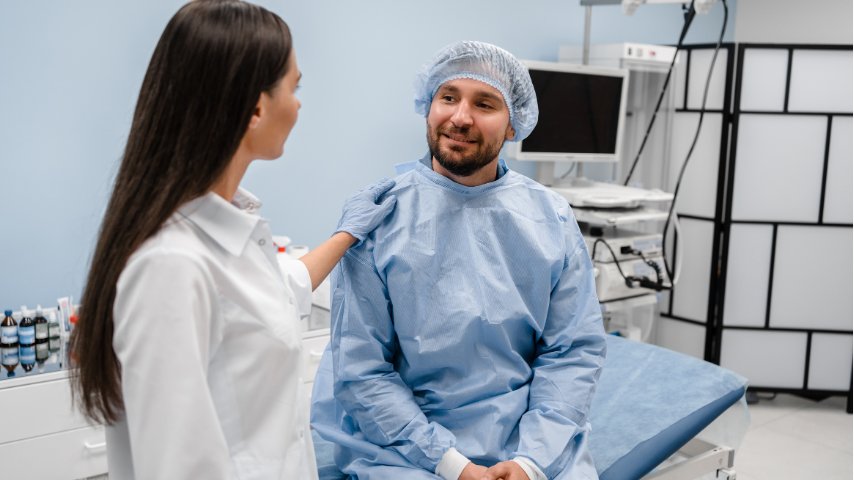
What Happens When You Arrive?
Knowing what to expect often reduces anxiety.
Upon arrival, you'll typically go through several steps. Patients who have questions about advanced digestive investigations may also review common capsule endoscopy FAQs before their appointment.
In some situations involving areas beyond the reach of standard endoscopy, doctors may recommend capsule endoscopy as an additional investigation.
Before recommending any advanced procedure, your healthcare team will also consider factors related to capsule endoscopy safety and overall suitability for the patient.
- Registration
Administrative paperwork and consent forms are completed. - Medical Review
A nurse reviews your medical history, medications, allergies, and preparation status. - Intravenous Line Placement
An IV line is inserted so sedation can be administered during the procedure. - Discussion With the Doctor
Your gastroenterologist may briefly review the reason for the examination and answer any last-minute questions.
This preparation period is often calmer and quicker than patients expect.
Will I Be Awake During the Endoscopy?
Many patients are surprised to learn that sedation practices vary.
In most cases, patients receive medication that makes them sleepy, relaxed, and comfortable.
Some people sleep through the procedure entirely.
Others remain lightly aware but relaxed.
Many remember very little afterward.
The exact type of sedation depends on the healthcare facility, the patient's medical condition, and the complexity of the procedure.
Your doctor will explain what type of sedation is planned.
What Does the Procedure Actually Feel Like?
This is often the biggest source of anxiety.
The reality is that most patients report minimal discomfort.
A numbing spray may be used in the throat.
Sedation helps patients relax significantly.
The procedure itself generally lasts between 15 and 30 minutes.
Many patients later describe the experience as feeling like a short nap.
It's common to hear patients say:
"I spent days worrying about it, and then it was over before I knew it."
Recovery: What Happens After the Endoscopy?
Once the procedure is complete, patients are moved to a recovery area.
The healthcare team monitors them while the effects of sedation gradually wear off.
Common experiences include:
- Mild drowsiness
- Slight bloating
- Temporary sore throat
- Feeling sleepy for a few hours
These symptoms usually resolve quickly.
Most patients return home the same day.
Because sedation affects judgment and coordination, driving is generally not allowed.
Arrange for someone to accompany you home after the procedure.
When Can You Eat Again?
This is often one of the first questions patients ask after waking up.
In most cases, patients can resume eating relatively soon after the procedure.
Your healthcare team will advise when it is safe to start drinking and eating.
Many patients begin with:
- Water
- Tea
- Soup
- Soft foods
Normal eating can usually resume shortly afterward unless specific findings require additional instructions.
Practical Tips From Patients Who Have Been Through It
Patients who have undergone endoscopy often share similar advice.
Some of the most useful suggestions include:
- Don't Overthink the Fasting
Most people find the fasting period easier than expected. - Follow Instructions Exactly
Good preparation improves both safety and diagnostic accuracy. - Bring a Companion
Having someone accompany you can make the day less stressful. - Ask Questions
Understanding the process reduces anxiety. - Focus on the Goal
Remember that the procedure is being performed to find answers and improve your health.
Common Preparation Mistakes to Avoid
Some mistakes occur repeatedly.
These include:
- Assuming "a small snack won't matter"
- Drinking milk instead of clear liquids
- Forgetting to discuss medications
- Arriving without a designated driver
- Ignoring fasting instructions
- Hiding accidental food intake from medical staff
Avoiding these simple mistakes helps ensure a smoother experience.
Conclusion
Preparing for an endoscopy is much simpler than many patients expect.
The most important step is following fasting instructions so that the stomach is empty and the doctor can obtain a clear view of the digestive tract.
Understanding what to eat, what to avoid, how medications are managed, and what happens on the day of the procedure can significantly reduce anxiety.
For most people, preparation turns out to be the hardest part. Once the procedure begins, sedation and a skilled medical team help make the experience comfortable and straightforward.
Good preparation not only improves safety but also helps your doctor get the answers needed to diagnose and treat your symptoms effectively.
If you have been scheduled for an endoscopy and are unsure about preparation instructions, speak with your healthcare team before the procedure. Proper preparation helps ensure accurate results, a smoother experience, and greater peace of mind.
References and Sources
American College of Gastroenterology
Cleveland Clinic – Upper Endoscopy
National Institute of Diabetes and Digestive and Kidney Diseases (NIDDK)