Can You Have a Serious Stomach Problem Even When Blood Tests Are Normal?
Medicine Made Simple
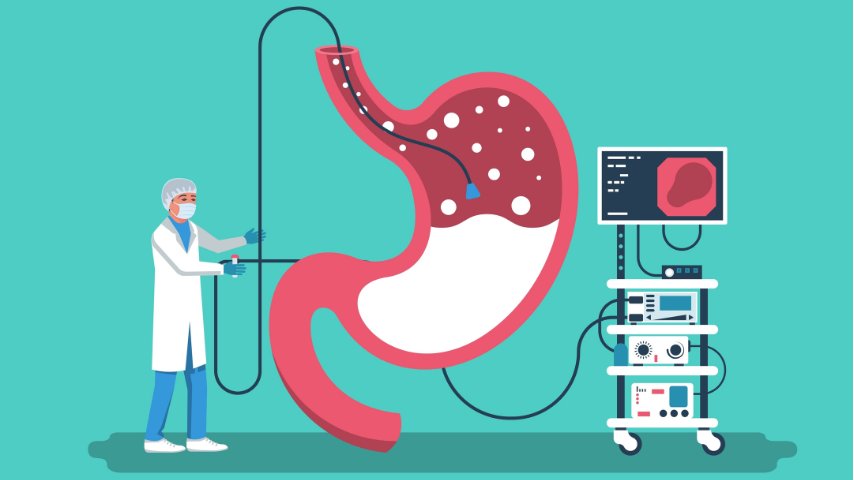
An upper gastrointestinal (GI) endoscopy is a procedure that allows doctors to examine the inside of the food pipe (esophagus), stomach, and the first part of the small intestine using a thin, flexible tube with a tiny camera attached to it. Usually performed under sedation, the procedure is comfortable for most patients and typically takes less than 30 minutes. Endoscopy helps doctors identify conditions such as acid reflux damage, gastritis, ulcers, infections, celiac disease, bleeding, and certain cancers. It can also detect abnormalities that may not appear in blood tests, scans, or routine health checkups.
Introduction
"I've had all my blood tests done, and everything is normal."
It's a statement doctors hear every day.
For many patients, normal blood test results bring reassurance. They assume that if something serious were happening inside their body, it would show up in their blood work.
Most of the time, that's true.
But not always.
In fact, some digestive conditions can be present for months—or even years—while routine blood tests remain completely normal.
This often creates confusion and frustration.
A person may continue experiencing heartburn, bloating, nausea, stomach pain, difficulty swallowing, or unexplained discomfort despite being told that all their test results look fine.
The natural question is:
"If my blood tests are normal, why do I still feel unwell?"
The answer lies in understanding what blood tests can and cannot tell us.
Blood tests are excellent tools. They provide valuable information about inflammation, infection, anemia, liver function, kidney function, and many other aspects of health.
However, they cannot directly see what's happening inside the digestive tract.
That's where procedures such as endoscopy become important.
The Common Misconception About Blood Tests
Many people view blood tests as a complete health check.
If the results come back normal, they assume every organ in the body must be functioning perfectly.
Unfortunately, the human body doesn't work that way.
Think of blood tests as clues rather than answers.
They can tell doctors that something may be wrong, but they don't always reveal exactly what is happening.
For example:
- A blood test may show anemia but cannot identify where blood loss is occurring
- It may suggest inflammation but cannot pinpoint the exact location
- In many digestive conditions, blood tests may remain completely normal because the problem is localized
This is why doctors never rely on blood tests alone.
They combine blood work with symptoms, medical history, physical examination, imaging studies, and sometimes endoscopy to get a complete picture.
Why Digestive Problems Can Hide From Blood Tests
The digestive tract is unique.
Many conditions affect only the lining of the stomach, esophagus, or small intestine during their early stages.
These localized changes may not cause measurable changes in the bloodstream.
Imagine a small crack developing in a wall inside your house.
Someone standing outside may see no evidence that anything is wrong.
The problem exists, but it isn't visible from the outside.
The same principle applies to many digestive diseases.
Inflammation, ulcers, tissue damage, and even some early cancers can remain confined to a small area for a long time.
Until the condition becomes extensive enough to affect blood chemistry, routine tests may appear completely normal.
Symptom Relief Doesn't Always Mean the Problem Is Gone
Another reason people become falsely reassured is that symptoms often improve temporarily.
A person experiencing heartburn may take antacids and feel better.
Someone with stomach pain may avoid spicy food and notice improvement.
This can create the impression that the underlying problem has resolved.
In reality, symptoms and disease activity do not always move together.
Certain digestive conditions fluctuate naturally.
Symptoms may improve for weeks and then return unexpectedly.
Doctors are often more interested in patterns than isolated episodes.
When symptoms keep returning despite treatment, further investigation may be necessary even if blood tests remain normal.
Conditions That Can Exist Despite Normal Blood Tests
Several digestive disorders may produce significant symptoms while routine laboratory investigations remain unremarkable.
Acid Reflux and GERD
Millions of people suffer from gastroesophageal reflux disease (GERD).
This occurs when stomach acid repeatedly flows backward into the food pipe.
Blood tests are often completely normal in these patients.
Yet ongoing acid exposure can cause:
- Inflammation
- Ulcers
- Narrowing of the esophagus
- Barrett's esophagus
The only way to directly assess this damage is by examining the digestive tract itself.
An endoscopy provides a clear view of the esophageal lining and helps determine whether reflux has caused complications.
Gastritis
Gastritis refers to inflammation of the stomach lining.
Patients may experience:
- Burning discomfort
- Nausea
- Bloating
- Loss of appetite
- Indigestion
Mild to moderate gastritis frequently produces normal blood test results.
The inflammation is often visible only when doctors examine the stomach directly during an endoscopy.
Without visualization, the condition may remain undiagnosed.
Stomach Ulcers
Ulcers are open sores that develop within the stomach or upper small intestine.
Small ulcers often cause symptoms long before they produce abnormal laboratory findings.
Patients may report:
- Upper abdominal pain
- Burning sensations
- Nausea
- Discomfort after meals
Blood tests may remain normal until bleeding occurs or complications develop.
Endoscopy is considered one of the most effective ways to diagnose ulcers because doctors can directly observe the affected area.
Helicobacter pylori Infection
Helicobacter pylori, often called H. pylori, is a common bacterial infection that affects the stomach lining.
Many infected individuals have completely normal blood work.
Yet the bacteria can contribute to:
- Gastritis
- Ulcers
- Chronic stomach discomfort
- Increased risk of stomach cancer
During endoscopy, doctors can obtain biopsies to test for H. pylori and confirm the diagnosis.
Early Celiac Disease
Celiac disease occurs when the immune system reacts abnormally to gluten.
Some patients develop significant symptoms while standard blood investigations remain normal or inconclusive.
Common symptoms include:
- Bloating
- Diarrhea
- Fatigue
- Weight loss
- Nutritional deficiencies
Endoscopy allows doctors to examine the small intestine and obtain biopsies that help confirm the diagnosis.
Can Cancer Be Present Despite Normal Blood Tests?
This is one of the most common patient concerns.
The answer is yes.
Some early digestive cancers may not cause abnormal blood test results.
This does not mean blood tests are ineffective.
It simply reflects the fact that cancer often begins as a localized process.
During the earliest stages, a tumor may not produce measurable changes in the bloodstream.
This is one reason doctors pay close attention to symptoms.
Persistent symptoms sometimes provide the first clue that further investigation is necessary.
Fortunately, many digestive cancers are highly treatable when detected early.
Endoscopy plays a critical role because it allows doctors to identify suspicious areas and obtain biopsies before symptoms become severe.
When Symptoms Matter More Than Blood Tests
Doctors often say they treat patients, not laboratory reports.
This means symptoms remain extremely important even when investigations appear reassuring.
Certain symptoms deserve attention regardless of blood test results.
These include:
- Difficulty swallowing
- Persistent heartburn
- Unexplained weight loss
- Ongoing upper abdominal pain
- Recurrent nausea or vomiting
- digestive bleeding in the small intestine
These symptoms often influence the decision to perform an endoscopy, even when blood work appears normal.
Why Doctors Sometimes Recommend Endoscopy After Normal Tests
Patients are often surprised when their doctor suggests endoscopy after multiple normal investigations.
The recommendation may seem contradictory.
If everything is normal, why do another test?
The answer is simple.
Blood tests tell doctors what is happening in the bloodstream.
Endoscopy allows them to see what is happening inside the digestive tract.
The two tools answer different questions.
In many situations, normal blood work actually makes endoscopy more valuable because it helps investigate symptoms that remain unexplained, including warning signs for capsule endoscopy when small bowel disease is suspected.
What Can an Endoscopy Reveal That Blood Tests Cannot?
An endoscopy can identify abnormalities that would otherwise remain hidden.
These include:
- Esophagitis (inflammation of the food pipe)
- Gastritis
- Ulcers
- Acid reflux damage
- Barrett's esophagus
- Celiac disease
- Polyps
- Early tumors
- Sources of bleeding
- Structural abnormalities
Doctors can also collect biopsies during the procedure.
These tissue samples often provide information that cannot be obtained through any blood test.
In selected cases, additional investigations such as capsule endoscopy may be needed to evaluate areas beyond the reach of standard endoscopy.
The Emotional Side of Unexplained Symptoms
Living with symptoms while being told that test results are normal can be emotionally exhausting.
Many patients begin questioning themselves.
Some wonder whether stress is causing everything.
Others feel frustrated because friends and family assume nothing is wrong.
It is important to remember that normal blood tests do not invalidate your symptoms.
If you continue experiencing digestive discomfort, it is reasonable to seek answers.
Modern medicine offers many tools beyond routine laboratory testing.
Endoscopy is one of the most valuable among them.
The Bottom Line
Normal blood tests are reassuring, but they do not tell the entire story.
Many digestive conditions, including acid reflux, gastritis, ulcers, H. pylori infection, celiac disease, and even some early cancers, may exist despite normal laboratory results.
This is why doctors look beyond blood work when evaluating digestive symptoms.
Persistent heartburn, bloating, stomach pain, difficulty swallowing, nausea, unexplained weight loss, and digestive bleeding often require a closer look. In some situations involving suspected small bowel disorders, further evaluation may contribute to a more accurate Crohn's disease diagnosis.
An endoscopy allows doctors to examine the digestive tract directly, providing answers that blood tests simply cannot.
If your symptoms continue despite normal investigations, don't assume the journey ends there. Sometimes the next step is the one that finally provides clarity.
Conclusion
If you've been told your blood tests are normal but continue to experience persistent digestive symptoms, speak with a gastroenterologist. An endoscopy may help uncover the cause and provide answers that routine investigations cannot.
References and Sources
National Institute of Diabetes and Digestive and Kidney Diseases (NIDDK)