Can Thin People Get Diabetes and Heart Disease? The Truth About Visceral Fat

Medicine Made Simple
Many people believe that diabetes and heart disease only affect people who are overweight. However, that is not always true. Some individuals may look slim and maintain a normal body weight while carrying dangerous fat deep inside their abdomen. This hidden fat, known as visceral fat, surrounds important organs and can increase the risk of diabetes, heart disease, fatty liver disease, and high blood pressure. Understanding visceral fat is important because it helps explain why some seemingly healthy people develop serious health conditions and what can be done to prevent them.
Introduction
"I am not overweight. How did I develop diabetes?"
This is a question doctors hear surprisingly often.
For many years, excess body weight was considered one of the biggest warning signs for conditions such as diabetes, heart disease, and fatty liver disease. While being overweight certainly increases these risks, researchers now know that body weight alone does not tell the full story.
Many people who appear slim on the outside may be carrying unhealthy fat deposits deep inside their bodies. This hidden fat cannot always be seen in the mirror or detected simply by stepping on a weighing scale. Yet it can have a powerful impact on overall health.
In fact, some people with a normal body weight have metabolic health profiles that look very similar to those of someone who is obese. Their blood sugar levels may be elevated. Their cholesterol may be abnormal. Their liver may contain excess fat. Their risk of heart disease may be significantly higher than expected.
The reason often comes down to a specific type of body fat known as visceral fat.
Understanding visceral fat can help explain why looking healthy and actually being healthy are not always the same thing.
What Is Visceral Fat?
Not all body fat is harmful. In fact, some fat is necessary for normal body functions. Fat helps store energy, regulate hormones, protect organs, and support overall health.
However, where fat is stored matters just as much as how much fat you have.
There are two major types of body fat.
Subcutaneous Fat
Subcutaneous fat is the fat located directly beneath the skin. It is the fat you can pinch around your waist, thighs, arms, or hips.
Although excessive amounts of subcutaneous fat can contribute to obesity, it is generally considered less dangerous than visceral fat.
Visceral Fat
Visceral fat is stored much deeper inside the abdomen. It surrounds important organs such as:
- The liver
- The pancreas
- The intestines
- The kidneys
- Major blood vessels
Unlike subcutaneous fat, visceral fat is metabolically active. This means it continuously releases hormones, inflammatory chemicals, and substances that affect how the body functions.
Because it is hidden inside the abdominal cavity, many people are unaware they have excess visceral fat until health problems begin to appear.
Why Is Visceral Fat So Dangerous?
Visceral fat is not simply an energy storage site. It actively influences many important processes within the body.
Researchers have found that visceral fat produces inflammatory substances that can interfere with normal metabolism. Over time, this inflammation can contribute to a range of chronic diseases.
Excess visceral fat can:
- Increase insulin resistance
- Raise blood sugar levels
- Increase triglycerides
- Lower good cholesterol (HDL)
- Raise blood pressure
- Promote chronic inflammation
- Increase cardiovascular risk
This is why doctors often pay more attention to abdominal fat and metabolic markers than to body weight alone.
A person who weighs 60 kilograms but carries significant visceral fat may actually be at greater risk than someone who weighs 75 kilograms but has more muscle and less internal fat.
How Can Thin People Develop Visceral Fat?
This is perhaps the most surprising aspect of the condition.
Many people assume that fat accumulation only occurs when someone gains visible weight. However, several factors can cause fat to accumulate around internal organs even when overall body weight remains normal.
Genetics
Genetics play a major role in determining where the body stores fat.
Some individuals naturally store more fat around their abdomen and internal organs rather than beneath the skin. This means they may appear slim while carrying unhealthy amounts of visceral fat.
Physical Inactivity
Modern lifestyles often involve long hours of sitting.
Many people spend most of their day at a desk, in front of a computer, driving, or using electronic devices. Even if body weight remains stable, prolonged inactivity can contribute to increased visceral fat and reduced muscle mass.
Poor Dietary Habits
A diet high in refined carbohydrates, sugary drinks, processed foods, and unhealthy fats can encourage fat storage around internal organs.
Over time, this pattern can lead to metabolic problems even without significant weight gain, a pattern commonly seen in TOFI.
Loss of Muscle Mass
Muscle plays an important role in maintaining metabolic health.
People who do not engage in regular strength-building activities may gradually lose muscle as they age. This can result in a higher body fat percentage despite maintaining the same weight.
Stress and Poor Sleep
Chronic stress increases cortisol, a hormone associated with abdominal fat storage.
Similarly, poor sleep affects hormones that regulate appetite, metabolism, and fat storage. Together, these factors can increase the risk of visceral fat accumulation.
The Link Between Visceral Fat and Diabetes
One of the strongest associations with visceral fat is the development of Type 2 diabetes.
Normally, insulin helps move sugar from the bloodstream into the body's cells, where it can be used for energy.
However, visceral fat interferes with this process.
The inflammatory substances released by visceral fat make the body's cells less responsive to insulin. This condition is known as insulin resistance.
As insulin resistance increases, the pancreas must work harder to maintain normal blood sugar levels. Eventually, the pancreas may struggle to keep up with demand, causing blood sugar levels to rise.
Over time, this can progress from prediabetes to Type 2 diabetes.
This explains why some individuals with normal body weight are diagnosed with diabetes despite never appearing overweight, sometimes because they are Skinny fat.
How Visceral Fat Affects Heart Health
Heart disease remains one of the leading causes of death worldwide.
Visceral fat significantly increases cardiovascular risk through several mechanisms.
First, it promotes chronic inflammation within the blood vessels.
Second, it contributes to unhealthy cholesterol levels by increasing triglycerides and reducing protective HDL cholesterol.
Third, it is associated with elevated blood pressure.
Together, these changes can damage arteries over time and increase the likelihood of:
- Coronary artery disease
- Heart attacks
- Stroke
- Peripheral vascular disease
Because these processes occur silently, many people remain unaware of the problem until a major health event occurs.
Fatty Liver Disease: Another Hidden Consequence
The liver is responsible for hundreds of essential functions, including metabolism, detoxification, and nutrient processing.
When excess fat accumulates inside the liver, a condition called non-alcoholic fatty liver disease develops.
Many people assume fatty liver only occurs in individuals who are overweight.
However, doctors increasingly diagnose fatty liver disease in slim individuals with excess visceral fat.
Early stages often cause no symptoms. As the disease progresses, it may lead to inflammation, scarring, and even liver failure in severe cases.
Why South Asians Face a Greater Risk
South Asians, including Indians, are particularly vulnerable to visceral fat accumulation.
Research has shown that South Asians tend to develop higher levels of body fat and insulin resistance at lower BMI levels compared to many other ethnic groups.
This means that someone who appears slim according to conventional standards may still carry significant metabolic risk.
This increased susceptibility helps explain why diabetes, heart disease, and fatty liver disease are often seen at younger ages in Indian populations.
Warning Signs You Should Not Ignore
Visceral fat rarely causes obvious symptoms in the early stages.
However, some TOFI symptoms and warning signs may indicate increased risk:
- Increasing waist circumference despite stable body weight
- High cholesterol levels
- Elevated triglycerides
- Prediabetes or diabetes
- High blood pressure
- Fatty liver detected during routine testing
- Persistent fatigue
- Reduced exercise tolerance
- Strong family history of diabetes or heart disease
If you identify with several of these risk factors, it may be worth discussing further evaluation with your doctor.
How Is Visceral Fat Diagnosed?
Because visceral fat is hidden inside the body, it cannot be accurately assessed through appearance alone.
Doctors may use:
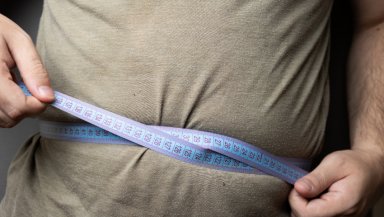
- Waist circumference measurements
- Body composition analysis
- DEXA scans
- MRI scans
- CT scans
- Blood sugar tests
- Cholesterol tests
- Liver function tests
These investigations provide a more complete picture of metabolic health than body weight alone, and a DEXA scan for body fat can help assess hidden fat distribution.
Can Visceral Fat Be Reduced?
The encouraging news is that visceral fat responds extremely well to lifestyle changes.
In many cases, it decreases faster than the fat located under the skin.
The most effective strategies include:
- Regular Exercise: Combining aerobic activities with strength training provides the best results.
- Building Muscle: Increasing muscle mass improves insulin sensitivity and overall metabolism.
- Improving Nutrition: Focus on whole foods, vegetables, fruits, lean proteins, legumes, nuts, and healthy fats while reducing processed foods and added sugars.
- Better Sleep: Aim for seven to nine hours of quality sleep every night.
- Stress Management: Activities such as yoga, meditation, walking, and mindfulness can help lower cortisol levels and reduce abdominal fat accumulation.
Conclusion
The belief that only overweight people develop diabetes and heart disease is a myth. Hidden visceral fat can place seemingly healthy, slim individuals at significant risk. Because this fat accumulates around vital organs and affects metabolism, it can quietly contribute to diabetes, heart disease, fatty liver disease, and other serious conditions long before symptoms appear.
True health is not determined by weight alone. Understanding body composition, monitoring metabolic health, staying physically active, and adopting healthy lifestyle habits are far more important than simply looking thin.
If you have a family history of diabetes, heart disease, or fatty liver disease, don't assume a normal body weight means you are risk-free. Speak with your healthcare provider about a comprehensive metabolic health assessment. Early detection of hidden risk factors can help prevent serious health problems and support a healthier future.