Can Digestive Bleeding Hide in the Small Intestine? Here's What Most Patients Don't Know
Medicine Made Simple
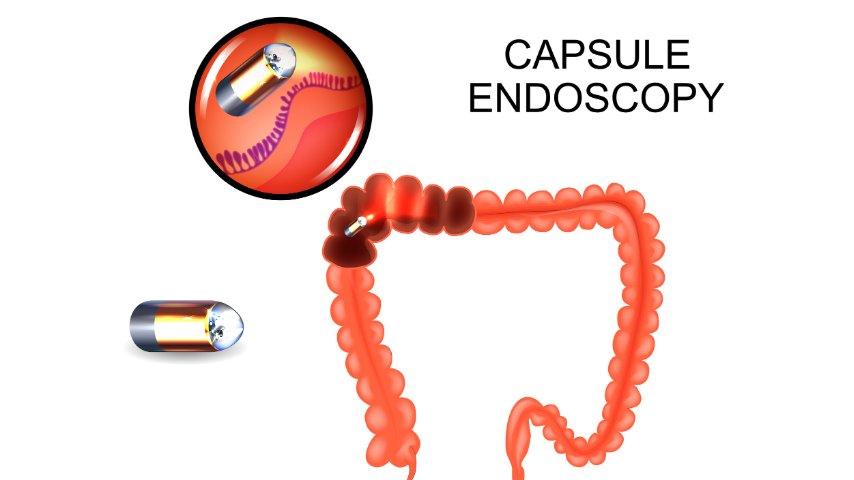
Capsule endoscopy is a non-invasive procedure that uses a tiny camera inside a swallowable capsule to examine the digestive tract, especially the small intestine. As the capsule travels naturally through the body, it captures thousands of images that help doctors identify abnormalities such as bleeding, inflammation, ulcers, polyps, and tumors. The procedure is particularly valuable when patients have unexplained blood loss, iron deficiency anemia, or signs of gastrointestinal bleeding despite normal endoscopy and colonoscopy results. Capsule endoscopy allows doctors to examine areas of the small intestine that are difficult to reach using conventional diagnostic procedures.
Introduction
Most people assume that if there is bleeding somewhere in the digestive tract, it should be easy for doctors to find.
After all, modern medicine has endoscopy, colonoscopy, CT scans, MRI scans, blood tests, and numerous advanced imaging technologies.
Yet every year, thousands of patients continue to experience unexplained blood loss, iron deficiency anemia, fatigue, dizziness, and digestive symptoms despite undergoing multiple investigations.
In many of these cases, the source of bleeding is eventually discovered in a place that is surprisingly difficult to examine: the small intestine.
This section of the digestive tract is often called the "hidden organ" of gastroenterology because large portions of it cannot be reached using standard endoscopy or colonoscopy.
As a result, bleeding can remain undetected for months or even years.
Understanding how digestive bleeding occurs, why it can be difficult to find, and how capsule endoscopy helps uncover hidden causes can help patients appreciate why their doctor may recommend additional testing even after normal results from other investigations.
What Is Digestive Bleeding?
Digestive bleeding, also known as gastrointestinal bleeding, refers to blood loss that occurs anywhere within the digestive tract.
The digestive tract begins at the mouth and extends through the esophagus, stomach, small intestine, large intestine, rectum, and anus.
Bleeding can occur in any of these locations.
Sometimes the bleeding is obvious. Patients may notice bright red blood in the stool, dark black stools, vomiting blood, or blood mixed with bowel movements.
In other situations, the bleeding is so small that it cannot be seen with the naked eye.
This hidden blood loss may continue slowly over weeks or months, gradually lowering iron levels and causing anemia.
Many patients do not realize they are losing blood until symptoms such as fatigue, weakness, shortness of breath, headaches, or dizziness begin affecting daily life.
Why Finding the Source of Bleeding Is So Important
Bleeding itself is not a disease.
It is a symptom.
The real challenge is identifying what is causing it.
A wide range of conditions can lead to gastrointestinal bleeding. Some are relatively minor and easily treated. Others require urgent medical attention.
Without identifying the source, doctors may struggle to provide effective treatment.
For example, repeatedly treating anemia with iron supplements may improve blood levels temporarily, but if the underlying source of bleeding remains active, the problem is likely to return.
Finding the source allows treatment to focus on the cause rather than simply managing the consequences.
This is why persistent or unexplained bleeding almost always requires investigation.
Where Does Digestive Bleeding Usually Come From?
Many common sources of digestive bleeding occur in areas that are relatively easy to examine.
Bleeding may originate from stomach ulcers, gastritis, esophageal varices, hemorrhoids, colon polyps, inflammatory bowel disease, diverticular disease, or colorectal cancer.
These conditions are often detected using upper gastrointestinal endoscopy or colonoscopy.
Because these procedures are highly effective, many patients assume they examine the entire digestive tract.
In reality, they do not.
A large section remains largely inaccessible to conventional methods.
That section is the small intestine.
Why Is the Small Intestine So Difficult to Examine?
The small intestine is one of the most remarkable organs in the human body.
It measures approximately six to seven meters in length and is responsible for absorbing nutrients, vitamins, minerals, and fluids from food.
Its long, winding structure contains countless folds and loops packed within the abdomen.
Traditional upper endoscopy allows doctors to view the esophagus, stomach, and only the very beginning of the small intestine.
Colonoscopy examines the large intestine and occasionally a short segment at the end of the small intestine.
This means that several meters of the small bowel remain beyond the reach of these procedures.
For decades, doctors had limited ways of examining this area.
As a result, bleeding originating within the small intestine often remained a diagnostic mystery.
What Is Obscure Gastrointestinal Bleeding?
When patients continue to experience bleeding despite normal endoscopy and colonoscopy findings, doctors often use the term obscure gastrointestinal bleeding.
This does not mean the bleeding is imaginary.
It simply means the source has not yet been identified.
Patients with obscure bleeding may experience recurrent anemia, ongoing iron deficiency, unexplained fatigue, or repeated episodes of visible bleeding without a clear explanation.
Historically, these cases were extremely frustrating for both patients and physicians.
The problem was not that bleeding was absent.
The problem was that the bleeding was occurring in a location that could not be easily examined.
This changed dramatically with the introduction of capsule endoscopy.
Signs That Bleeding May Be Hidden
Not all digestive bleeding is obvious.
In fact, hidden bleeding is often more common than visible bleeding.
One of the earliest signs is iron deficiency anemia.
Iron is essential for producing healthy red blood cells. When blood is lost slowly over time, iron stores become depleted.
Patients may begin feeling tired even after adequate sleep. Climbing stairs may become more difficult. Exercise tolerance may decline. Some individuals notice reduced concentration, headaches, or unusual weakness.
Others may experience pale skin, dizziness, or shortness of breath.
Because these symptoms develop gradually, many people initially attribute them to stress, aging, lack of sleep, or a busy lifestyle.
Blood tests often provide the first clue that chronic blood loss is occurring, particularly in cases of stomach problems despite normal blood tests.
When iron deficiency anemia is identified, doctors usually begin searching for a source of bleeding within the digestive tract.
Conditions That Can Cause Hidden Small Intestinal Bleeding
The small intestine can develop several conditions capable of causing blood loss.
One common cause is abnormal blood vessels known as angioectasias. These fragile vessels may leak small amounts of blood over time without causing pain or obvious symptoms.
Inflammatory conditions such as Crohn's disease can also cause bleeding. Chronic inflammation damages the intestinal lining, creating ulcers that may bleed intermittently.
Small intestinal ulcers may develop for several reasons, including medication use, infection, or inflammatory disease.
Polyps and tumors can also bleed, sometimes long before they cause other symptoms.
In certain inherited conditions, patients develop multiple polyps throughout the digestive tract, increasing the risk of hidden blood loss.
Because many of these abnormalities are small and located deep within the intestine, they can remain undetected using conventional investigations.
Why Blood Tests Alone Cannot Find the Source
Blood tests are excellent at identifying the effects of bleeding.
They can reveal anemia, low iron levels, or signs of inflammation.
However, blood tests cannot pinpoint where the bleeding is occurring.
Think of a blood test as a smoke alarm.
The alarm tells you that there is a problem somewhere in the house, but it does not identify the exact room where the fire started.
To locate the source, doctors need to look directly inside the digestive tract.
This is where imaging and endoscopic procedures become essential, and comparisons such as endoscopy vs CT scan help decide next steps.
What Happens When Endoscopy and Colonoscopy Are Normal?
This situation often creates anxiety for patients.
Many assume that normal results mean there is no bleeding.
However, doctors understand that the digestive tract contains large areas that may not have been examined.
When anemia persists or bleeding continues despite normal investigations, attention often shifts toward the small intestine.
Historically, evaluating the small bowel was extremely difficult.
Today, capsule endoscopy has become one of the most important tools for solving this problem.
How Capsule Endoscopy Helps Find Hidden Bleeding
Capsule endoscopy revolutionized the investigation of obscure gastrointestinal bleeding.
The procedure involves swallowing a capsule roughly the size of a large vitamin tablet.
Inside the capsule are a miniature camera, a light source, a battery, and a wireless transmitter.
As the capsule travels naturally through the digestive tract, it captures thousands of images.
These images are transmitted to a recorder worn by the patient and later reviewed by a gastroenterologist.
Unlike traditional endoscopy procedures, capsule endoscopy can examine large portions of the small intestine.
This makes it uniquely suited for identifying bleeding sources hidden within the small bowel.
In many patients, the procedure provides answers that previous investigations could not.
What Can Capsule Endoscopy Detect?
When investigating bleeding, doctors look for several specific abnormalities.
Capsule endoscopy may identify active bleeding, small ulcers, areas of inflammation, abnormal blood vessels, tumors, polyps, and erosions within the intestinal lining.
Sometimes the procedure captures images of blood itself, helping doctors determine where the bleeding originated.
In other cases, the capsule reveals structural abnormalities that explain ongoing blood loss.
Even when active bleeding is not visible during the examination, evidence of previous bleeding may still be present.
This information helps guide further evaluation and treatment.
What Happens If a Bleeding Source Is Found?
The next step depends on the cause.
If abnormal blood vessels are identified, specialized endoscopic procedures may be used to treat them.
If Crohn's disease is diagnosed, treatment focuses on reducing inflammation and preventing further damage.
Polyps may require removal, while tumors may need additional imaging, biopsy, or surgical evaluation.
The key advantage is that treatment becomes targeted.
Instead of repeatedly treating anemia without understanding why it occurs, doctors can address the underlying cause directly.
What If Capsule Endoscopy Does Not Find Anything?
Patients sometimes worry that a normal capsule endoscopy means their symptoms have no explanation.
This is not true.
A normal examination provides valuable information because it helps rule out serious small bowel disease.
The absence of significant abnormalities allows doctors to focus on other possible causes of anemia, fatigue, or digestive symptoms.
In many cases, ruling out major disease is an important step toward reaching the correct diagnosis.
Normal results can also provide reassurance that conditions such as tumors, active bleeding, or significant inflammation are unlikely.
When Should You Speak to a Doctor About Possible Hidden Bleeding?
Persistent fatigue should never be dismissed without investigation, especially when accompanied by iron deficiency anemia.
You should seek medical evaluation if blood tests repeatedly show low iron levels, if anemia returns despite treatment, if you notice black stools, unexplained weight loss, abdominal pain, or visible blood in stool.
Individuals with a family history of digestive cancers or inflammatory bowel disease should also discuss persistent symptoms with their healthcare provider.
Early investigation often leads to earlier diagnosis and more effective treatment.
The Bottom Line
Yes, digestive bleeding can hide within the small intestine, and it happens more often than many people realize.
Because large portions of the small bowel are difficult to examine using traditional endoscopy and colonoscopy, bleeding sources may remain undetected despite extensive investigations.
For patients with unexplained anemia, ongoing iron deficiency, recurrent blood loss, or persistent symptoms, capsule endoscopy has become one of the most valuable diagnostic tools available.
By providing a detailed view of the small intestine, the tiny camera capsule helps doctors uncover hidden causes of bleeding, guiding treatment decisions and helping patients finally find answers.
If you have iron deficiency anemia, unexplained fatigue, recurrent blood loss, or digestive symptoms that remain unexplained despite previous testing, consult a gastroenterologist to determine whether capsule endoscopy may be appropriate. Identifying hidden bleeding early can lead to faster diagnosis, targeted treatment, and better long-term health outcomes.