Robotic Kidney Transplant Surgery: What Patients and Families Should Expect

Medicine Made Simple Summary
Robotic kidney transplant surgery is a newer way of performing kidney transplantation using small cuts instead of a large incision. The transplant is still done by an experienced surgeon, not by a robot. The robotic system helps the surgeon place the donor kidney with high precision, leading to less pain, fewer wound problems, and faster recovery for selected patients. This article explains how robotic kidney transplant surgery works, who it is suitable for, and what patients and families should realistically expect.
Why Kidney Transplant Surgery Is Needed
Kidney transplant surgery is usually recommended when the kidneys stop working well enough to support life. This stage is often called end-stage kidney disease. When this happens, patients need dialysis or a kidney transplant to survive.
A transplant offers better quality of life compared to long-term dialysis for many patients. It allows greater freedom, better energy levels, and improved overall health. Because transplant surgery is major surgery, doctors constantly look for ways to make it safer and easier for patients, including understanding options such as living vs deceased donor kidney transplant.
What Makes Kidney Transplant Surgery Different
Kidney transplant surgery is different from other kidney operations because it involves placing a healthy kidney from a donor into the patient’s body. The new kidney is usually placed in the lower abdomen, not where the original kidneys are.
The surgeon connects the blood vessels of the donor kidney to the patient’s blood vessels and connects the ureter so urine can drain properly. These connections must be done very carefully. Precision is critical for the success of the transplant.
What “Robotic” Means in Kidney Transplant Surgery
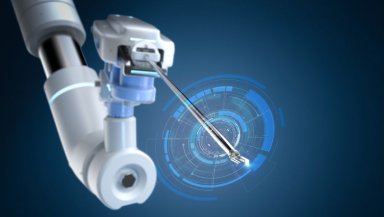
In robotic kidney transplant surgery, the surgeon uses a robotic system to perform parts of the operation. The robot does not perform the transplant on its own. The surgeon controls every movement.
Small incisions are made to insert the robotic instruments and camera. The donor kidney is introduced through a slightly larger incision, often hidden low on the abdomen. The robotic system helps the surgeon make precise connections while minimizing tissue damage, which is an important part of preparing for kidney transplant surgery.
How Robotic Kidney Transplant Surgery Is Performed
The surgery begins with small incisions for the robotic instruments. A camera provides a magnified, three-dimensional view of the surgical area. This helps the surgeon see blood vessels clearly.
The donor kidney is placed inside the body and positioned carefully. Using robotic instruments, the surgeon connects the blood vessels and ureter. Once blood flow starts, the kidney usually begins working quickly.
The small incisions are then closed, resulting in less trauma compared to traditional open surgery.
How Robotic Transplant Surgery Differs from Traditional Transplant
Traditional kidney transplant surgery requires a long incision in the lower abdomen. This incision passes through multiple layers of tissue and muscle. Healing can take time and wound-related problems are more common, especially in patients who are overweight or diabetic.
Robotic transplant surgery uses smaller incisions. This reduces pain, lowers the risk of wound infection, and improves cosmetic outcomes. Recovery is often smoother, supporting a better transition into life after kidney transplant, though the surgery itself may take slightly longer.
Who May Benefit Most from Robotic Transplant Surgery
Not all patients are suitable for robotic kidney transplant surgery. It is usually considered for selected patients, especially those at higher risk of wound complications.
Patients who are overweight, diabetic, or have had previous abdominal surgeries may benefit from smaller incisions. Living donor transplants are more commonly performed robotically, as timing and conditions are well controlled.
The transplant team decides suitability after careful evaluation.
Safety and Success Rates
Robotic kidney transplant surgery has been shown to be safe when performed by experienced transplant teams. The success of the transplant depends more on donor quality, surgical expertise, and post-transplant care than on the surgical approach alone.
Studies show comparable graft survival and kidney function outcomes between robotic and traditional transplant methods in selected patients.
Patient safety remains the top priority, and traditional surgery is still used when robotic surgery is not appropriate.
Recovery After Robotic Kidney Transplant
Recovery after robotic transplant surgery is often faster compared to traditional surgery. Pain is usually less because muscles are not cut extensively.
Patients are encouraged to move early. Hospital stay may be slightly shorter, though close monitoring is required after any transplant. Medications to prevent rejection begin immediately and continue long-term.
Patients still need regular follow-up, blood tests, and careful monitoring, regardless of the surgical method used.
Risks and Complications to Understand
Robotic kidney transplant surgery carries risks similar to traditional transplant surgery. These include bleeding, infection, blood clots, and problems with blood vessel or ureter connections.
There is also the risk of organ rejection, which is not related to the surgical technique. Lifelong medications are needed to prevent rejection.
Robotic surgery may reduce wound-related complications, but it does not eliminate all risks.
Emotional Aspects for Patients and Families
Transplant surgery brings hope, but also anxiety. Patients may worry about surgery success, rejection, or long-term outcomes.
Understanding the procedure and recovery helps reduce fear. Families play a key role in emotional support and medication management after transplant.
Clear communication with the transplant team builds confidence and trust.
Availability and Cost Considerations
Robotic kidney transplant surgery is not available everywhere. It requires specialized equipment and trained transplant teams.
Costs may be higher initially due to technology use, but reduced wound complications and faster recovery can offset some expenses. Insurance coverage varies and should be discussed early.
Patients should focus on safety and outcomes rather than technology alone.
Conclusion
Robotic kidney transplant surgery represents progress in transplant care for selected patients. It combines surgical expertise with advanced technology to reduce physical stress and support smoother recovery.
While not suitable for everyone, it offers a valuable option in modern kidney transplantation when performed by experienced teams.
If kidney transplantation has been recommended, ask your transplant team whether robotic kidney transplant surgery is an option for you. Understanding all available approaches helps you make confident, informed decisions about your care.