Mediastinal Lymph Nodes Explained: Why Doctors Sometimes Need a Biopsy
Medicine Made Simple
Medicine Made Simple
Mediastinal lymph nodes are small glands located in the central part of the chest between the lungs. They play an important role in the body’s immune system by helping detect infections, inflammation, and abnormal cells. When imaging tests such as CT scans show enlarged mediastinal lymph nodes, doctors sometimes recommend a biopsy to determine the exact cause. A biopsy involves collecting a small tissue sample from the lymph node so it can be examined under a microscope. Understanding why lymph node biopsies are recommended helps patients and families feel more confident about the diagnostic process and the next steps in care.
Understanding the Mediastinum and Its Importance in the Chest
The chest cavity contains several organs that support breathing and circulation. Between the two lungs lies a central compartment called the mediastinum. This area contains many important structures, including:
- The heart
- The trachea (windpipe)
- The esophagus (food pipe)
- Major blood vessels
- Nerves
- Multiple groups of lymph nodes
These lymph nodes form a network that helps the body detect infections and other abnormalities.
Because the mediastinum contains several lymph node stations, doctors carefully examine this area during imaging tests such as CT scans. Enlarged lymph nodes in this region can provide important clues about conditions affecting the lungs or immune system.
What Lymph Nodes Are and What They Do
Lymph nodes are small bean-shaped structures that are part of the lymphatic system. This system works closely with the immune system to protect the body.
Each lymph node acts like a filter. It traps harmful substances such as bacteria, viruses, and abnormal cells. Immune cells inside the node identify these threats and activate the body’s defense mechanisms.
When the immune system responds to infection or inflammation, lymph nodes may temporarily enlarge.
This enlargement occurs because:
- Immune cells multiply inside the lymph node
- The node becomes more active while fighting infection
- Inflammatory cells accumulate inside the node
In many situations, enlarged lymph nodes return to normal size once the infection resolves.
Why Mediastinal Lymph Nodes May Appear Enlarged on a CT Scan
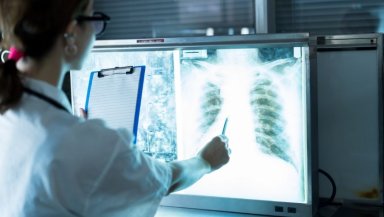
CT scans are detailed imaging tests that allow doctors to see structures inside the chest clearly.
During a CT scan, radiologists measure lymph nodes and examine their shape and structure. If the nodes appear larger than normal, they may be described in the report as enlarged mediastinal lymph nodes.
Several conditions can cause this enlargement.
Common causes include:
- Infections: Tuberculosis, fungal infections, and certain viral illnesses
- Inflammatory diseases: Conditions such as sarcoidosis that cause immune system activation
- Autoimmune disorders: Diseases where the immune system attacks healthy tissue
- Cancer: Lung cancer may spread to nearby lymph nodes, and lymphoma originates in lymphatic tissue
It is important to remember that enlarged lymph nodes do not automatically mean cancer. Many cases are caused by infections or inflammatory conditions.
Suggested image: CT scan highlighting mediastinal lymph nodes.
Why Imaging Alone Is Sometimes Not Enough
Although CT scans provide detailed images, they cannot always determine the exact cause of lymph node enlargement.
Imaging can show:
- The size of lymph nodes
- The location of the nodes
- The pattern of enlargement
However, imaging cannot reveal the type of cells inside the node.
For example, enlarged lymph nodes caused by infection may look similar to nodes affected by cancer on imaging.
Because of this limitation, doctors sometimes recommend obtaining a tissue sample from the lymph node. This allows pathologists to examine the cells directly under a microscope.
What a Lymph Node Biopsy Is
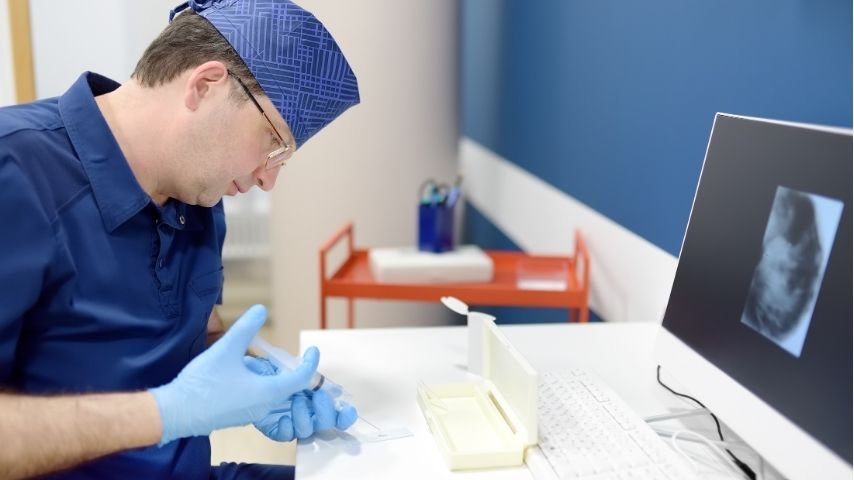
A biopsy is a diagnostic procedure in which a small sample of tissue is collected and examined in a laboratory.
In the case of mediastinal lymph nodes, the biopsy helps doctors determine whether the enlargement is caused by:
- Infection
- Inflammatory disease
- Cancer
- Other rare conditions
The tissue sample is studied by pathologists who analyze the cell types and tissue patterns.
This information provides a definitive diagnosis, which helps doctors choose the most appropriate treatment.
How Mediastinal Lymph Node Biopsies Are Performed
Modern medicine offers minimally invasive techniques to obtain lymph node samples.
One of the most common procedures is endobronchial ultrasound-guided biopsy, commonly known as EBUS.
During this procedure:
- A thin flexible bronchoscope is inserted through the mouth or nose.
- The bronchoscope is guided into the airways.
- An ultrasound probe attached to the bronchoscope helps locate lymph nodes in the mediastinum.
- A thin needle is guided into the lymph node to collect tissue samples.
This procedure usually takes less than an hour and is often performed under sedation.
In some specialized centers, doctors may also perform mediastinal cryobiopsy, which allows larger tissue samples to be obtained.
Suggested image: Illustration showing EBUS bronchoscopy sampling mediastinal lymph node.
When Doctors Decide That a Biopsy Is Necessary
Doctors consider several factors before recommending a biopsy.
These include:
- The size of the lymph nodes
- Whether the nodes appear symmetrical or irregular
- Whether the nodes increase in size over time
- The patient’s symptoms and medical history
For example, if lymph nodes remain stable over several months and the patient has no symptoms, doctors may recommend monitoring instead of biopsy. However, if the nodes continue to enlarge or appear suspicious, a biopsy may be recommended to clarify the diagnosis and confirm the mediastinal cryobiopsy accuracy in identifying complex conditions.
What Patients May Experience During the Procedure
Many patients feel anxious when they hear the word biopsy. However, most mediastinal lymph node biopsies are minimally invasive.
During bronchoscopy biopsy:
- Patients receive sedation to help them relax.
- Local anesthesia is applied to numb the throat.
- The bronchoscope is gently guided into the airways.
Most patients feel only mild discomfort during the procedure. The biopsy itself is usually painless.
After the procedure, patients are observed for a short time before going home.
Suggested image: Bronchoscopy procedure room setup.
Why Tissue Diagnosis Is Important
Obtaining a tissue sample allows doctors to identify the exact cause of lymph node enlargement.
This information is essential because treatment varies depending on the diagnosis.
For example:
- Infections may require antibiotics or antifungal medications.
- Inflammatory diseases such as sarcoidosis may require medications that control the immune system.
- Cancer may require surgery, chemotherapy, radiation therapy, or targeted treatment.
Without a biopsy, it may be difficult to determine the best treatment plan.
What Happens After the Biopsy
Once the tissue sample is collected, it is sent to a pathology laboratory.
Specialists examine the sample using microscopes and sometimes additional laboratory tests.
Results usually take several days to become available.
During the follow-up appointment, the doctor will explain:
- The biopsy findings
- The final diagnosis
- Recommended treatment options
In many cases, the biopsy confirms that the lymph node enlargement is caused by a treatable condition.
Conclusion
Mediastinal lymph nodes play an important role in the body’s immune system and help detect infections and abnormal cells. When these lymph nodes appear enlarged on a CT scan, doctors carefully evaluate the findings to determine the possible cause.
While imaging tests provide valuable information, they cannot always identify the exact reason for lymph node enlargement. In such cases, a biopsy allows doctors to examine the tissue directly and make an accurate diagnosis.
Understanding why a mediastinal lymph node biopsy is recommended can help patients feel more prepared and confident about the procedure. If your doctor has suggested further evaluation of mediastinal lymph nodes, consulting a pulmonologist or interventional pulmonology specialist can help clarify the diagnosis and guide the most appropriate treatment.