CT Scan Showing Enlarged Mediastinal Lymph Nodes: What It Could Mean

Medicine Made Simple
A CT scan of the chest sometimes reveals enlarged lymph nodes in the mediastinum, the central space between the lungs that contains important structures such as the heart, windpipe, and major blood vessels. Mediastinal lymph vs lymph node in other parts of the body refers to the specific location; while they function similarly, those in the mediastinum are critical for filtering drainage from the lungs. When these nodes enlarge, it usually means the body is responding to infection, inflammation, or sometimes cancer. Doctors may recommend additional tests such as bronchoscopy or biopsy to understand the exact cause. Knowing what mediastinal lymph nodes are and why they enlarge can help patients better understand their diagnosis and next steps in care.
Understanding the Mediastinum and Its Role in the Chest
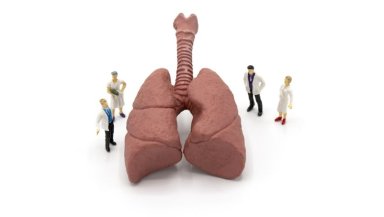
The chest cavity contains several vital organs that work together to support breathing and circulation. Between the two lungs lies a central compartment known as the mediastinum. This region contains:
- The heart
- Trachea or windpipe
- Esophagus
- Major blood vessels
- Nerves
- Multiple groups of lymph nodes
These lymph nodes form an important part of the immune system and act as checkpoints that monitor substances entering the lungs and bloodstream.
Because the mediastinum houses several lymph node stations, it is a key area doctors evaluate during imaging tests. When a CT scan is performed, radiologists carefully examine these lymph nodes to determine whether they appear normal in size and structure. Enlarged lymph nodes in this region can sometimes indicate that the immune system is responding to infection or inflammation. In other situations, the enlargement may provide clues about more complex conditions affecting the lungs or nearby structures.
Understanding where the mediastinum is located and what it contains helps patients better understand why doctors pay close attention to this area when interpreting CT scans.
What Lymph Nodes Are and Why They Enlarge
Lymph nodes are small bean-shaped structures that are part of the lymphatic system, a network that helps protect the body from infections and disease. They contain immune cells that identify harmful substances such as bacteria, viruses, or abnormal cells. When these immune cells detect a threat, they begin to multiply and activate the body’s defense mechanisms.
This immune response often causes lymph nodes to enlarge temporarily. Enlargement occurs because the nodes are actively filtering harmful particles and producing more immune cells. In many cases, this enlargement is a normal reaction and disappears once the infection or inflammation resolves.
However, lymph nodes may also enlarge when abnormal cells accumulate inside them. Certain cancers, including lymphoma and lung cancer, can spread to nearby lymph nodes. This is one reason doctors carefully assess lymph node enlargement during imaging studies.
It is important to remember that lymph node enlargement does not automatically mean cancer. In fact, infections and inflammatory conditions are among the most common causes.
Suggested image: Illustration showing normal lymph node versus enlarged lymph node.
How CT Scans Detect Enlarged Mediastinal Lymph Nodes
A CT scan, or computed tomography scan, is a detailed imaging test that uses X-rays and computer technology to produce cross-sectional images of the body. Unlike a standard chest X-ray, which provides a single image, CT scans generate multiple slices of images that allow doctors to examine internal structures in great detail.
During a chest CT scan:
- The machine rotates around the patient
- Images are captured from different angles
- A computer reconstructs these images into a detailed view
This allows visualization of:
- Lungs
- Airways
- Mediastinum
- Surrounding tissues
Radiologists measure the size and appearance of lymph nodes visible on the scan. Lymph nodes larger than the typical range may be described as enlarged or as mediastinal lymphadenopathy in the radiology report. The shape, structure, and distribution of the nodes can also provide important clues about possible causes.
For many patients, enlarged mediastinal lymph nodes are discovered incidentally during CT scans performed for other reasons such as:
- Chronic cough
- Chest pain
- Routine health evaluations
Suggested image: CT scan cross-section highlighting mediastinal lymph nodes.
Common Causes of Enlarged Mediastinal Lymph Nodes
There are several possible reasons why mediastinal lymph nodes may become enlarged. In many cases, the enlargement is related to infection or inflammation rather than cancer.
Common causes include:
- Infections such as tuberculosis, fungal infections, and viral infections
- Inflammatory conditions such as sarcoidosis
- Autoimmune diseases
- Cancer including lung cancer and lymphoma
These conditions trigger immune responses or abnormal cell growth that lead to lymph node enlargement.
Because many conditions can produce similar imaging findings, additional evaluation is often required to determine the exact cause.
Suggested image: Illustration showing different causes of lymph node enlargement.
Symptoms That May Occur With Enlarged Mediastinal Lymph Nodes
In many cases, enlarged mediastinal lymph nodes do not cause noticeable symptoms. The condition may be discovered during imaging performed for unrelated reasons.
When symptoms do occur, patients may experience:
- Persistent cough
- Shortness of breath
- Chest discomfort
- Fatigue
- Fever
- Unexplained weight loss
If the lymph nodes become significantly enlarged, they may:
- Press against nearby structures
- Cause breathing difficulties or wheezing
- Lead to swallowing discomfort
However, these symptoms are relatively uncommon and usually occur only when lymph node enlargement is significant.
Why Doctors May Recommend Additional Tests
When enlarged mediastinal lymph nodes appear on a CT scan, doctors evaluate several factors before deciding the next steps. These include:
- Size of the lymph nodes
- Shape and pattern of enlargement
- Patient’s symptoms
- Medical history
- Exposure to infections
- Risk factors such as smoking
Sometimes doctors recommend:
- Monitoring with repeat CT scans
If lymph nodes:
- Decrease in size → likely temporary condition
- Remain stable → may not require intervention
- Continue to grow → further testing is needed
Doctors may recommend a biopsy if findings are suspicious. In cases where surgery is required to remove these nodes, the Mediastinal Lymph Node Dissection Benefits include both a definitive diagnosis and the removal of potentially diseased tissue.
Suggested image: Flowchart showing diagnostic pathway after CT scan findings.
Understanding Lymph Node Biopsy and Diagnostic Procedures
A biopsy involves removing a small piece of tissue from a lymph node so it can be examined under a microscope. This test allows pathologists to analyze the cells and determine the exact cause of enlargement.
Common diagnostic methods include:
- Bronchoscopy with endobronchial ultrasound (EBUS)
During this procedure:
- A bronchoscope is passed through the airway
- An ultrasound probe helps locate lymph nodes
- A thin needle collects tissue samples
In specialized centers, advanced techniques such as mediastinal cryobiopsy may also be used to obtain larger tissue samples. If the situation requires a more extensive surgical approach, such as a dissection, patients should prepare for hospital preparation for lymph node surgery by discussing pre-operative requirements with their surgical team.
Why Tissue Diagnosis Is Important for Treatment
Determining the exact cause of lymph node enlargement is essential because treatment depends on the diagnosis.
Treatment may include:
- Antibiotics or antifungal medications for infections
- Anti-inflammatory medications for conditions like sarcoidosis
- Cancer treatments such as surgery, chemotherapy, or radiation therapy
Without a tissue diagnosis, it may be difficult to choose the most appropriate treatment.
Monitoring and Follow-Up for Enlarged Lymph Nodes
Not all patients require immediate biopsy or treatment. In some cases, doctors recommend watchful monitoring.
Follow-up care may include:
- Periodic CT scans
- Observation of lymph node size changes
- Reporting new symptoms
Monitoring helps ensure that any changes are detected early and managed appropriately.
Conclusion
A CT scan showing enlarged mediastinal lymph nodes can raise many questions for patients and their families. These lymph nodes may enlarge for several reasons, most commonly due to infection or inflammation, although other conditions may also be responsible.
While imaging tests provide valuable information, they cannot always determine the exact cause. Doctors may recommend monitoring or biopsy procedures to obtain a clear diagnosis.
Understanding the role of mediastinal lymph nodes and the reasons they may enlarge helps patients approach the situation with greater clarity and confidence. If a CT scan has identified enlarged lymph nodes in your chest, consulting a pulmonologist or interventional pulmonology specialist can help determine the next steps and ensure that the most appropriate diagnostic and treatment plan is followed.