Bronchoscopy vs CT-Guided Lung Biopsy: Which Test Is Right for a Lung Nodule?
Medicine Made Simple
When a lung nodule is detected on a CT scan, doctors may recommend a biopsy to determine the cause. Two common methods used to obtain tissue from lung nodules are bronchoscopy biopsy and CT-guided needle biopsy, including procedures like Transbronchial lung biopsy. Bronchoscopy reaches the nodule through the airways using a flexible tube called a bronchoscope, while CT-guided biopsy involves inserting a needle through the chest wall into the lung using imaging guidance. Both procedures help doctors diagnose conditions such as infections, inflammation, or lung cancer. Understanding how these procedures work and when each is recommended can help patients make informed decisions about their care.
Understanding Why a Lung Biopsy May Be Needed
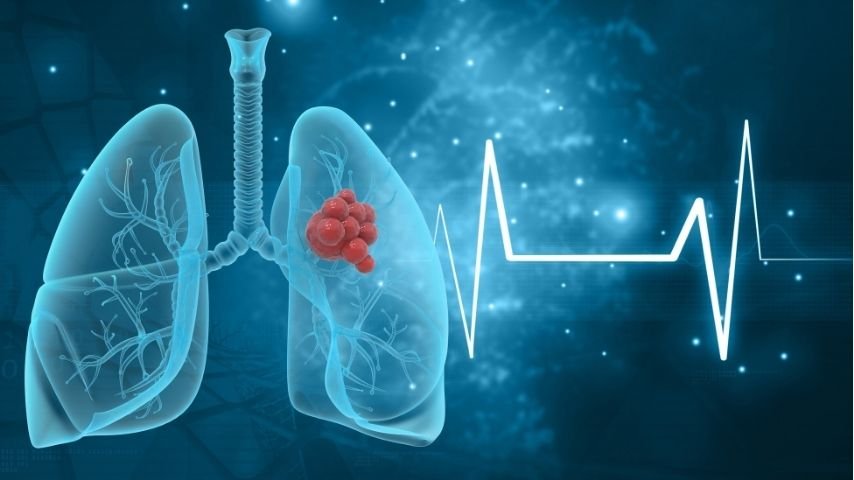
A lung nodule is a small spot that appears in the lung during imaging tests such as a CT scan. Most nodules are harmless and may result from past infections, inflammation, or scar tissue. However, some nodules may represent early lung cancer or other diseases that require treatment.
When a lung nodule shows certain features that raise concern, doctors may recommend a biopsy. A biopsy involves removing a small sample of tissue from the nodule so it can be examined under a microscope.
This tissue analysis allows doctors to determine whether the nodule is benign, infectious, inflammatory, or cancerous. An accurate diagnosis helps guide the most appropriate treatment plan.
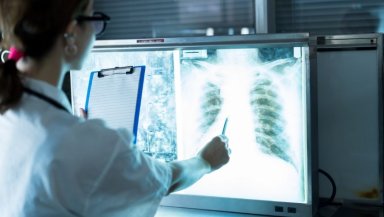
Suggested image: CT scan showing lung nodule requiring biopsy.
Two Common Biopsy Methods for Lung Nodules
When doctors decide that a lung biopsy is necessary, they usually choose between two minimally invasive techniques. These are bronchoscopy-based biopsy and CT-guided needle biopsy, often considered in a Transbronchial Lung Biopsy Decision Guide.
Both procedures aim to collect tissue samples from the lung nodule, but they differ in how doctors reach the nodule.
Bronchoscopy accesses the nodule through the airways, while CT-guided biopsy reaches the nodule through the chest wall using a needle.
The decision between these methods depends on several factors including the location of the nodule, its size, and the patient’s overall health.
Suggested image: Diagram showing bronchoscopy route versus CT-guided needle route.
What Is Bronchoscopy Lung Biopsy
Bronchoscopy is a procedure that allows doctors to examine the inside of the airways using a thin flexible tube called a bronchoscope.
The bronchoscope is inserted through the mouth or nose and guided through the windpipe into the lungs. A small camera at the tip of the bronchoscope allows doctors to see the airways on a monitor.
Special instruments passed through the bronchoscope can collect tissue samples from lung nodules.
Bronchoscopic biopsy is particularly useful for nodules located near the airways or deeper inside the lungs where instruments can reach through the airway passages.
Modern bronchoscopy procedures often use advanced technologies such as endobronchial ultrasound or navigation systems to improve accuracy.
Suggested image: Bronchoscope reaching lung nodule through airway.
How Bronchoscopic Lung Biopsy Is Performed
Before the procedure begins, patients are connected to monitoring equipment that tracks heart rate, oxygen levels, and blood pressure.
Sedation is typically given to help the patient relax, minimizing Transbronchial Lung Biopsy Pain. Local anesthetic may also be sprayed into the throat to reduce discomfort and coughing.
The bronchoscope is gently inserted through the mouth or nose and guided into the lungs. Using imaging guidance, the doctor navigates the bronchoscope to the area where the lung nodule is located.
Small instruments are passed through the bronchoscope to collect tissue samples from the nodule.
The procedure usually takes about thirty to sixty minutes. Afterward, patients are monitored for a short period before going home.
What Is CT-Guided Lung Biopsy
CT-guided lung biopsy is another method used to collect tissue samples from lung nodules.
In this procedure, a thin needle is inserted through the chest wall and into the lung. Doctors use CT imaging to guide the needle precisely toward the nodule.
Once the needle reaches the nodule, a small sample of tissue is removed and sent to a laboratory for examination.
CT-guided biopsy is often used for nodules located near the outer parts of the lungs, where the needle can reach the nodule more easily from outside the chest.
Suggested image: CT-guided needle biopsy reaching lung nodule.
How CT-Guided Lung Biopsy Is Performed
During the procedure, the patient usually lies on a CT scanning table. The CT scanner helps doctors determine the exact position of the lung nodule.
The skin on the chest is cleaned and numbed with local anesthetic. A thin biopsy needle is then carefully inserted through the chest wall.
Doctors take repeated CT images to guide the needle toward the nodule. Once the needle reaches the target, a tissue sample is collected.
After the biopsy, the needle is removed and a small bandage is applied. Patients are monitored for a few hours to ensure there are no complications.
Advantages of Bronchoscopic Lung Biopsy
Bronchoscopic biopsy has several advantages, particularly when lung nodules are located near the airways or deeper inside the lungs.
Because the bronchoscope enters through the natural airway passages, the procedure does not require puncturing the chest wall. This reduces the risk of certain complications such as lung collapse.
Bronchoscopy also allows doctors to examine the airways and collect samples from multiple areas if needed.
Advanced bronchoscopy technologies such as navigation bronchoscopy and robotic bronchoscopy can help reach small nodules that were previously difficult to access.
Suggested image: Advanced bronchoscopy navigation system.
Advantages of CT-Guided Lung Biopsy
CT-guided biopsy is often effective for nodules located near the outer regions of the lung.
Because the needle travels directly from the chest wall to the nodule, this method can provide a straight pathway to certain nodules that may be difficult to reach through the airways.
CT imaging allows doctors to monitor the needle position in real time, improving accuracy during the procedure.
In many cases, CT-guided biopsy can obtain sufficient tissue samples for diagnosis.
Suggested image: CT scanner guiding needle biopsy.
Potential Risks of Each Procedure
Both bronchoscopy biopsy and CT-guided biopsy are considered safe procedures, but each carries certain risks.
Bronchoscopy may cause temporary throat irritation, cough, or minor bleeding. Serious complications are uncommon.
CT-guided biopsy has a slightly higher risk of causing pneumothorax, which occurs when air leaks into the space around the lung. This condition may require treatment if it becomes significant.
Doctors carefully evaluate each patient’s condition to choose the safest and most appropriate biopsy method.
How Doctors Decide Which Test Is Best
The choice between bronchoscopy biopsy and CT-guided biopsy depends on several factors.
The location of the lung nodule is often the most important consideration. Nodules near the airways are more easily reached with bronchoscopy, while nodules near the outer lung surface may be better suited for CT-guided biopsy.
Doctors also consider the size of the nodule, the patient’s medical history, and the availability of advanced technology at the hospital.
Pulmonologists, radiologists, and other specialists often work together to determine the best approach for each patient.
Conclusion
When a lung nodule requires further evaluation, biopsy procedures play a crucial role in determining the cause. Bronchoscopy biopsy and CT-guided needle biopsy are two commonly used methods that help doctors obtain tissue samples from lung nodules.
Bronchoscopy reaches nodules through the airways and avoids puncturing the chest wall, while CT-guided biopsy provides a direct path to nodules located near the outer lung regions.
Both procedures are valuable diagnostic tools, and the choice between them depends on the characteristics of the nodule and the patient’s condition.
If your doctor recommends a lung biopsy, discussing the available options with a pulmonologist can help you understand which approach is most suitable for your situation.
References and Sources
National Heart Lung and Blood Institute National Heart Lung and Blood Institute