






The TBLB procedure lasts 30 to 60 minutes, depending on the case's complexity.

Table of Contents 
Introduction
Lungs are one of the most crucial organs in human anatomy. More often than not, people ignore lung health due to a lack of awareness and medical information. Lung diseases are more common than you think, and diagnosing them often requires more than just imaging tests.
Transbronchial Lung Biopsy (TBLB) is a minimally invasive procedure. It allows doctors to obtain lung tissue samples through bronchoscopy, avoiding the need for open surgery, which is highly invasive. TBLB helps in the accurate diagnosis of various lung conditions and facilitates precise treatment.
What is Transbronchial Lung Biopsy?
Transbronchial Lung Biopsy (TBLB) is a diagnostic procedure performed to obtain small samples of lung tissue. Using specialised biopsy forceps and a bronchoscope, the pulmonologist collects tissue samples from the lung parenchyma via the bronchial airways.
The tissue samples obtained are sent for histopathological examination to identify the type of infection, inflammatory condition, or malignancy. Some of the conditions that can be diagnosed with a TBLB include:
- Sarcoidosis
- Lung Tumours
- Pulmonary Infections
- Hypersensitivity Pneumonitis
Pulmonary Fibrosis
Who is an Ideal Candidate for TBLB?
TBLB is generally recommended to patients who have the following conditions:
- Unexplained lung abnormalities are identified on imaging studies such as CT scans or X-rays.
- Interstitial or inflammatory lung diseases are suspected.
- A tissue diagnosis for pulmonary infections is needed.
- Lung lesions are identified during bronchoscopy.
A thorough pre-procedure assessment helps ensure that the patient benefits from the procedure and that risks are minimised for each patient.
Transbronchial Lung Biopsy Procedure
The procedure of Transbronchial Lung Biopsy is performed in a controlled environment in a bronchoscopy suite.
- Pre-procedure Preparation
Before the procedure begins, blood and imaging tests are performed to provide a detailed analysis of the patient’s current medical condition. The patient is also advised to fast for a few hours.
- Anaesthesia and Sedation
The patient is given Local anaesthesia and intravenous sedation to numb the throat and ensure minimal discomfort, helping minimise concerns about Transbronchial Lung Biopsy Pain
- Bronchoscope Insertion
A thin, flexible bronchoscope is inserted from the nose into the lungs.
- Biopsy Collection
Using biopsy forceps, small tissue samples are collected from the targeted lung region. Fluoroscopy is used to carefully monitor the movement of the forceps through the bronchoscope to improve safety and accuracy, which contributes to Transbronchial Lung Biopsy Accuracy.
- Post-procedure Monitoring
Once the procedure is concluded, the patient is moved to the monitoring area for a few hours. An X-ray of the chest may be performed to rule out potential complications, such as pneumothorax.
Your health matters – get expert advice today.
Benefits of Transbronchial Lung Biopsy
TBLB offers a plethora of benefits to the patients. Some of them include:
- Less invasive compared to extensive, highly surgical traditional biopsies
- Shorter duration of the procedure and recovery
- No external incisions or cuts are made
- Minimised chances of risks and less expensive than an open lung biopsy
- Saves a lot of time as performed on an outpatient basis
The hospital you choose for your treatment further affects the benefits you can receive.
Possible Risks and Complications
A Transbronchial Lung Biopsy is generally considered a safe procedure. However, if proper care is not taken, some risk factors can surface. These include:
- Bleeding at the biopsy site
- Air leak from the lungs
- Infections at the biopsy site
- Temporary cough or sore throat
While there are no major complications, especially when the procedure is performed by experienced pulmonologists, extra care and caution can help reduce the risk of complications.
Recovery and Aftercare
A few hours of observation and monitoring are necessary after a TBLB procedure to ensure the patient's condition remains stable. Mild discomfort in the throat, fatigue, and cough can be experienced but are generally temporary and can be resolved.
After the procedure, the patients are advised to:
- Avoid eating or drinking for a few hours
- Take complete rest for 1 to 2 days
- Avoid any intense physical activity or workouts for at least 24 hours
- Seek medical attention if discomfort persists
Most patients can return to routine tasks and normal activities within a day of the TBLB procedure.
Why Choose Gleneagles Hospital for Transbronchial Lung Biopsy?
Gleneagles Hospitals have advanced facilities for treating and diagnosing bronchoscopy-related health concerns. The hospital has consistently provided a seamless treatment experience to patients throughout its tenure in service. The stringent patient safety protocols and comprehensive services before and after the procedures make it a unique healthcare facility in the area.
Some of the key advantages include:
- Expertise and specialisation in advanced pulmonary diagnostics and treatment facilities.
- Modern bronchoscopy approach and imaging technologies for accurate results.
- Multidisciplinary treatment strategies for various lung diseases.
- Patient-centric care regime and international safety standards.
The medical and non-medical staff of the hospital ensure that every patient receives immediate medical assistance at all times and that optimal procedural outcomes are achieved.
Conclusion
TBLB, or Transbronchial Lung Biopsy, is a valuable procedure. The minimally invasive nature of the procedure makes it an effective method for identifying a broad range of lung diseases with minimal discomfort to the patient.
By providing targeted results and accurate staging, TBLB comes up as an innovative solution. At Gleneagles Hospital, patients can benefit significantly from expert care, state-of-the-art technology, and a commitment to resilience and treatment excellence in pulmonary healthcare and patient satisfaction.

Dr Namrata Jasani
Senior Consultant
MBBS, MD Pulmonary Medicine, European Diploma in Respiratory Medicine


Dr Obul Reddy
Consultant Lung Transplant Physician
MBBS, MD ( Transplant Pulmonology) FICCM, EDARM(Switzerland)
Experience: 5 Years
Pulmonology, Interventional Pulmonology and Sleep Medicine
Hyderabad, Lakdi-Ka-Pul
Experience: 15 Years
Heart and Lung Transplant, Pulmonology, Interventional Pulmonology and Sleep Medicine
Bengaluru, Kengeri
Explore Our Blogs
View All Pulmonology, Interventional Pulmonology and Sleep Medicine
Recovery After Transbronchial Lung Biopsy: How Long Before You Can Work, Travel, or Exercise?
 Pulmonology, Interventional Pulmonology and Sleep Medicine
Bleeding or Lung Collapse: How Common Are the Risks of a Transbronchial Lung Biopsy?
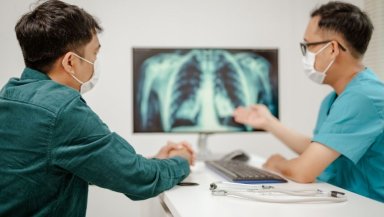 Pulmonology, Interventional Pulmonology and Sleep Medicine
Preparing for a Transbronchial Lung Biopsy: 10 Questions Patients Wish They Had Asked Their Doctor
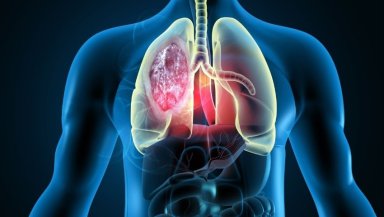 Pulmonology, Interventional Pulmonology and Sleep Medicine
Why Do Lung Nodules or Shadows Lead to a Transbronchial Lung Biopsy?
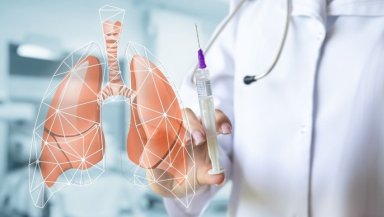 Pulmonology, Interventional Pulmonology and Sleep Medicine
When Transbronchial Lung Biopsy Is Not Enough: What Happens If Results Are Inconclusive?
 Pulmonology, Interventional Pulmonology and Sleep Medicine
What Is a Transbronchial Lung Biopsy and Why Do Doctors Recommend It?
Frequently Asked Questions
What is the duration of a TBLB procedure?
Is a hospital stay required for TBLB?
No, TBLB is performed on an outpatient basis, which means you can return home the same day.
Is TBLB a painful procedure?
No, during TBLB, the patient is given local anaesthesia and sedation, which minimises the pain and discomfort.
Is TBLB safe?
Yes, TBLB is a safe procedure; when performed by a skilled pulmonologist, its efficiency is further increased.
When are biopsy results made available?
It typically takes around 3 to 4 days for the biopsy results to become available.
Why is a transbronchial lung biopsy recommended?
A transbronchial lung biopsy (TBLB) is recommended to obtain small samples of lung tissue for diagnosis. It helps identify the cause of abnormal findings on imaging, such as infections, inflammation, interstitial lung diseases, or suspected tumors.
How should I prepare before a TBLB procedure?
Preparation usually includes fasting for a few hours before the procedure, informing your doctor about medications (especially blood thinners), and undergoing basic tests like blood work or imaging. You may also be advised to arrange someone to accompany you home.
What types of lung diseases can be diagnosed with TBLB?
TBLB can help diagnose conditions such as lung infections, tuberculosis, interstitial lung diseases, sarcoidosis, and certain lung cancers.
When should I seek medical help after returning home following a TBLB?
You should seek medical attention if you experience symptoms like severe chest pain, difficulty breathing, persistent coughing, fever, or coughing up significant amounts of blood.
Can a transbronchial lung biopsy be repeated if the sample is inconclusive?
Yes, the procedure can be repeated if the initial sample is insufficient or inconclusive. Your doctor may also consider alternative diagnostic methods if needed.

