Is PRRT Safe? Common Myths and Facts About Radiation Therapy for NET Patients
Medicine Made Simple
PRRT (Lu-177 Dotatate) is a targeted radiation therapy used to treat neuroendocrine tumors and is generally considered safe when given under medical supervision. It works by delivering radiation directly to tumor cells, which reduces exposure to most normal tissues. Patients may experience mild side effects such as fatigue or nausea, and doctors monitor organs like the kidneys and bone marrow carefully. Many fears about radiation come from misunderstanding. In reality, PRRT uses controlled doses and safety measures, making it an effective and well-tolerated treatment for many patients.
Why Safety Is the First Concern for Most Patients
When patients hear the word “radiation,” it often creates immediate worry. Many associate radiation with harmful exposure, long-term damage, or serious illness.
This reaction is understandable because radiation is often discussed in extreme contexts. However, medical radiation is very different. It is carefully measured, controlled, and used with a specific purpose.
PRRT is not random radiation exposure. It is a planned treatment designed to target tumor cells while minimizing harm to the rest of the body, even when considering the PRRT treatment process.
Understanding this difference is the first step in reducing fear and building confidence in the treatment.
What Makes PRRT Different from Other Radiation Treatments
PRRT uses a form of radiation, but it is not the same as external radiation therapy.
In external radiation, beams are directed at a specific area from outside the body. This can affect nearby tissues along with the tumor.
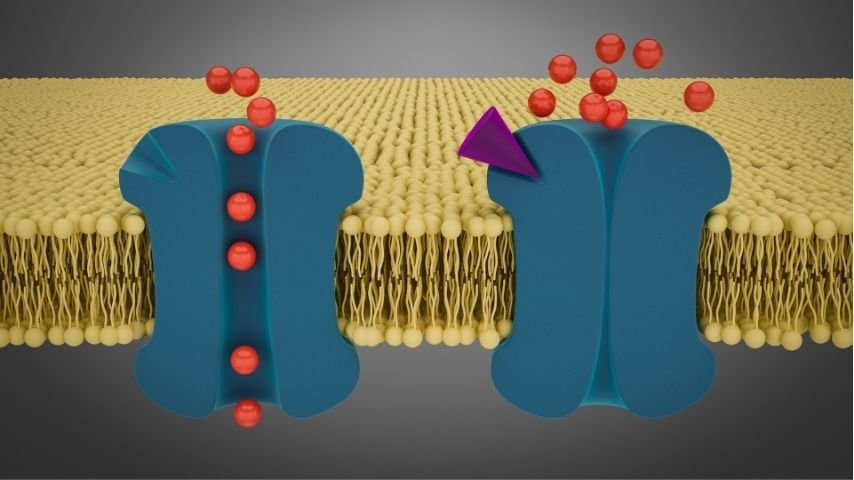
PRRT works from inside the body. It uses a molecule that travels through the bloodstream and attaches to tumor cells. Once attached, it delivers radiation directly to those cells.
This targeted approach reduces exposure to surrounding healthy tissues. It is one of the main reasons PRRT is considered safe for many patients.
Myth 1: PRRT Spreads Harmful Radiation Throughout the Body
One of the most common fears is that PRRT exposes the entire body to harmful radiation.
In reality, the treatment is designed to concentrate radiation in tumor cells. The targeting molecule binds to receptors on neuroendocrine tumor cells, which allows the radiation to act mainly where it is needed.
While a small amount of radiation may affect other tissues, this exposure is usually low and controlled.
Doctors take this into account when planning treatment and provide protective measures to reduce risk.
Myth 2: Radiation from PRRT Stays in the Body for a Long Time
Some patients worry that the radiation will remain in their body for months or years.
The truth is that the radioactive substance used in PRRT gradually decays and is eliminated from the body.
Most of the excess material leaves the body through urine within a few days. The radiation level decreases naturally over time.
Patients may need to follow simple precautions for a short period, but long-term radiation exposure is not a concern.
Myth 3: PRRT Is Dangerous for Family Members
Another common concern is the safety of family members after treatment.
After PRRT, patients may emit small amounts of radiation for a short time. However, this risk is managed with simple precautions.
Patients may be advised to maintain some distance from others, especially children and pregnant women, for a few days.
These measures are temporary and easy to follow. Once the radiation level decreases, normal interaction is completely safe.
Myth 4: PRRT Causes Severe and Uncontrollable Side Effects
Many patients expect severe side effects because the treatment involves radiation.
In reality, PRRT is generally well tolerated. Most patients experience mild symptoms such as fatigue or slight nausea.
These effects are usually temporary and manageable with supportive care.
Serious side effects are less common and are closely monitored by doctors throughout the treatment process, including awareness of PRRT side effects.
Common Side Effects Patients May Experience
Although PRRT is considered safe, it can cause some side effects.
Fatigue is one of the most frequently reported symptoms. Patients may feel tired for a few days after each treatment cycle.
Nausea can occur, especially during or shortly after the infusion. This is often related to protective medications given alongside PRRT.
Some patients may experience mild changes in blood counts. This happens because bone marrow can be slightly affected by radiation.
These side effects are usually manageable and improve over time.
How Doctors Monitor Safety During PRRT
Doctors take several steps to ensure patient safety throughout PRRT treatment.
Before starting therapy, tests are done to check kidney function and bone marrow health. These organs are important because they can be affected by radiation.
During treatment, patients are monitored closely for any changes in blood counts or organ function.
Protective infusions are given to reduce the impact on the kidneys. This is a standard part of the treatment process.
Regular follow-up helps detect and manage any side effects early.
Long-Term Safety: What Patients Should Know
Long-term side effects are uncommon but important to understand.
In some cases, repeated treatments may affect bone marrow or kidney function over time. This is why doctors carefully limit the number of treatment cycles.
Patients are monitored even after completing therapy to ensure long-term safety.
The overall risk of serious long-term effects is low, especially when treatment is given according to guidelines.
Who May Need Extra Caution
Not all patients have the same level of risk.
Patients with existing kidney problems or low blood counts may need closer monitoring or adjustments in treatment.
Doctors evaluate each patient’s condition before recommending PRRT.
This personalized approach helps ensure that the treatment is both safe and effective.
Why Understanding Safety Reduces Fear
Fear often comes from not knowing what to expect.
When patients understand how PRRT works and how safety is managed, they feel more at ease.
They realize that the treatment is not uncontrolled radiation but a carefully designed therapy.
This understanding helps patients approach treatment with confidence rather than anxiety.
Balancing Benefits and Risks
Every medical treatment involves some level of risk.
With PRRT, the goal is to achieve maximum benefit while keeping risks as low as possible.
The treatment can slow tumor growth, improve symptoms, and enhance quality of life.
For many patients, these benefits outweigh the relatively small risks associated with therapy.
Doctors carefully assess this balance before recommending treatment.
Making an Informed Decision
Choosing PRRT is a significant decision, and patients should feel comfortable with their choice.
Discussing safety concerns openly with the medical team is important.
Patients can ask about side effects, monitoring, and precautions.
Understanding both the benefits and risks helps patients make decisions that align with their needs and expectations, including comparisons like PRRT vs targeted therapy.
Conclusion
If you or a loved one is considering PRRT (Lu-177 Dotatate), speak with your doctor about safety, potential side effects, and how the treatment will be monitored. Ask questions and clarify any concerns. Being informed will help you approach treatment with confidence and make decisions that support your health and peace of mind.
References and Sources