How GI Bleeding is Diagnosed and Treated with Endoscopy
Medicine Made Simple
GI bleeding means bleeding anywhere in the digestive tract, from the food pipe and stomach to the intestines and rectum. It may appear as vomiting blood, black stools, fresh blood in stool, or hidden bleeding causing weakness and anemia. Endoscopy is one of the most important tools used to find the source of bleeding and often treat it at the same time. Doctors use a thin flexible tube with a camera to locate ulcers, tears, varices, or polyps and stop bleeding quickly, helping prevent serious complications and saving lives.
Understanding What GI Bleeding Means
GI bleeding stands for gastrointestinal bleeding, which means bleeding that happens anywhere inside the digestive system. This includes the food pipe, stomach, small intestine, large intestine, rectum, and anus.
The digestive tract is long, and bleeding can happen at different levels depending on the cause. Some bleeding is mild and slow, while other cases can be sudden and severe, requiring emergency treatment.
Doctors usually divide GI bleeding into two main types: upper GI bleeding and lower GI bleeding.
Upper GI bleeding happens in the food pipe, stomach, or the first part of the small intestine. Lower GI bleeding happens in the lower small intestine, large intestine, rectum, or anus.
The symptoms may look different depending on where the bleeding starts. Some patients vomit blood, while others notice black stools or fresh red blood during bowel movements.
Sometimes the bleeding is hidden and only shows up as weakness, tiredness, or low blood count during blood tests.
GI bleeding should never be ignored because it may be a sign of ulcers, infection, inflammation, liver disease, polyps, or even cancer.
Common Causes of GI Bleeding
There are many reasons why bleeding can happen inside the digestive tract, and the cause often depends on whether the bleeding is coming from the upper or lower GI system.
In upper GI bleeding, one of the most common causes is a stomach ulcer or duodenal ulcer. These ulcers can form because of acid damage, infection with Helicobacter pylori, or long-term use of painkillers like ibuprofen and aspirin.
Severe acid reflux can also cause inflammation and bleeding in the food pipe. In some patients with liver disease, swollen veins called varices can develop in the food pipe and may bleed heavily.
Tears in the food pipe after repeated vomiting can also lead to bleeding.
In lower GI bleeding, common causes include hemorrhoids, anal fissures, colon polyps, diverticulosis, inflammatory bowel disease, infections, and colorectal cancer.
Older adults may also have bleeding from fragile blood vessels in the colon.
The exact cause can only be confirmed after proper medical evaluation, and this is where endoscopy becomes extremely important.
Signs and Symptoms You Should Not Ignore
The signs of GI bleeding can be very obvious or sometimes hidden and slow.
Vomiting blood is a serious warning sign. The blood may be bright red or look dark like coffee grounds. This often suggests upper GI bleeding.
Black, sticky stools with a strong smell usually mean blood has been digested and often points to bleeding from the stomach or upper intestine.
Fresh red blood in the stool may suggest bleeding from the lower bowel, rectum, or anus.
Some patients may not see visible blood but feel weak, dizzy, tired, or short of breath because of anemia caused by slow blood loss.
Severe bleeding can cause fainting, low blood pressure, rapid heartbeat, and shock.
Any of these symptoms should be treated seriously. Delaying medical attention can be dangerous, especially when bleeding is heavy or repeated.
Why Endoscopy Is So Important in GI Bleeding
Endoscopy is one of the most powerful tools doctors use when GI bleeding is suspected because it helps with both diagnosis and treatment.
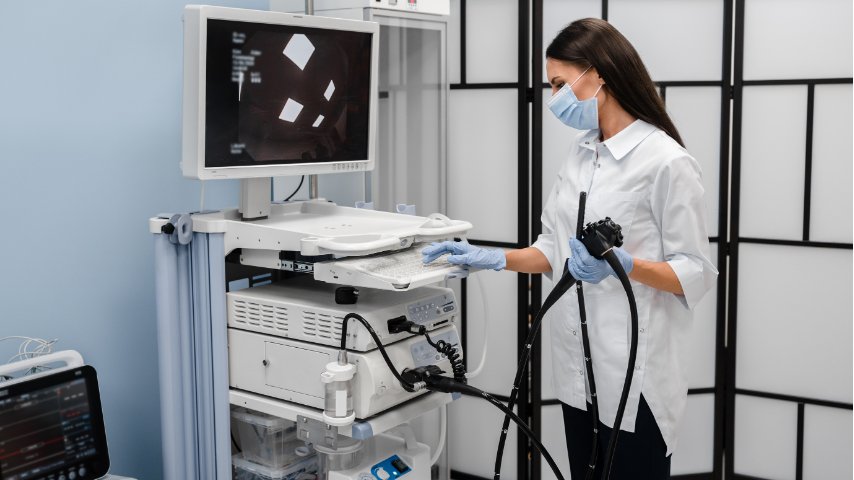
Unlike scans or blood tests, endoscopy allows the doctor to directly look inside the digestive tract using a thin flexible tube with a camera.
This helps locate the exact source of bleeding, whether it is an ulcer, torn blood vessel, polyp, swollen vein, or tumor.
Even more importantly, many bleeding problems can be treated immediately during the same procedure without the need for open surgery.
For example, if a stomach ulcer is actively bleeding, the doctor can stop it during endoscopy by using clips, injections, heat treatment, or special devices.
This makes endoscopy not just a test, but often a life-saving treatment.
The type of endoscopy used depends on where the bleeding is suspected.
Upper GI endoscopy is used for bleeding from the food pipe, stomach, or duodenum. Colonoscopy is used for bleeding from the lower bowel.
How Doctors Decide Which Endoscopy Is Needed
Doctors first study the symptoms, medical history, blood test results, and physical condition of the patient before choosing the right procedure.
If a patient is vomiting blood or passing black stools, doctors usually suspect upper GI bleeding and recommend an upper GI endoscopy.
If there is fresh blood in the stool, long-term anemia, or changes in bowel habits, colonoscopy may be the better choice.
Sometimes the source is unclear, especially if bleeding is slow or hidden. In such cases, doctors may use both upper endoscopy and colonoscopy.
If both are normal and bleeding still continues, capsule endoscopy may be used to examine the small intestine, which is difficult to reach with regular scopes.
In emergency situations with heavy bleeding, stabilizing the patient with fluids, blood transfusion, and monitoring comes first before the endoscopy is performed.
The goal is always to identify the source quickly and safely.
What Happens During an Upper GI Endoscopy for Bleeding
If upper GI bleeding is suspected, the doctor performs an upper GI endoscopy, also called EGD.
The patient is usually asked not to eat or drink for several hours before the procedure. In emergency cases, the medical team manages this based on the urgency.
Sedation is commonly given through a vein to help the patient relax.
The doctor passes a thin flexible endoscope through the mouth into the food pipe, stomach, and the first part of the small intestine.
The camera helps the doctor look for ulcers, bleeding vessels, varices, tears, inflammation, or tumors.
If active bleeding is found, treatment can often be done immediately. The doctor may inject medicine, place clips, apply heat, or use banding for bleeding varices.
This quick action can prevent major blood loss and reduce the need for surgery.
What Happens During Colonoscopy for Lower GI Bleeding
If bleeding is suspected from the lower digestive tract, colonoscopy is usually performed.
Before this procedure, the bowel must be cleaned using special preparation so the doctor can clearly see inside the colon.
Sedation is commonly used for comfort.
The doctor passes the colonoscope through the rectum and examines the full length of the large intestine.
They look for polyps, inflammation, ulcers, bleeding blood vessels, diverticular disease, tumors, or signs of colorectal cancer.
If the bleeding source is found, treatment may include removing polyps, clipping bleeding vessels, sealing abnormal areas, or taking biopsies if cancer is suspected.
Colonoscopy is one of the most effective ways to diagnose and manage lower GI bleeding.
Is Endoscopic Treatment Painful
Most patients worry that treatment during endoscopy will be painful, but the procedure is usually well tolerated because sedation is used.
During upper GI endoscopy, patients are often sleepy and may remember very little afterward.
During colonoscopy, sedation helps reduce discomfort caused by the scope and air used to examine the bowel.
Some patients may feel temporary bloating, mild throat discomfort, or slight abdominal cramping after the procedure.
These symptoms usually improve quickly.
Because endoscopic treatment avoids major surgery in many cases, recovery is usually faster and much less painful than surgical treatment.
Recovery After Endoscopic Treatment
Recovery depends on how severe the bleeding was and what treatment was done during endoscopy.
Some patients with mild bleeding may go home the same day after observation, while others may need hospital admission for monitoring, blood transfusion, or treatment of the underlying cause.
Doctors may repeat blood tests to check if the bleeding has stopped and whether the blood count is improving.
Medicines such as acid reducers, antibiotics, or treatment for liver disease may be started depending on the diagnosis.
If ulcers caused the bleeding, treatment for Helicobacter pylori infection may also be needed.
Patients are also advised to avoid painkillers like NSAIDs unless specifically approved by the doctor.
Follow-up is important because some causes of bleeding can return if not treated properly.
When Surgery May Still Be Needed
Although endoscopy can successfully treat many cases of GI bleeding, surgery is sometimes still necessary.
This may happen if bleeding is too severe, if the source cannot be controlled through endoscopy, or if cancer or major bowel damage is found.
Some patients with repeated bleeding from tumors, severe ulcers, or advanced bowel disease may need surgery for long-term treatment.
However, because endoscopy is so effective, surgery is needed much less often than in the past.
Doctors always prefer the least invasive and safest option first.
Preventing Future GI Bleeding
Prevention depends on treating the underlying cause.
If ulcers caused the bleeding, proper treatment and avoiding unnecessary painkillers are important.
If liver disease caused varices, regular follow-up and medical management are necessary.
For colon polyps or cancer prevention, routine screening colonoscopy plays a major role.
Healthy food habits, avoiding smoking, limiting alcohol, and managing long-term illnesses like liver disease also help reduce risk.
Patients should never ignore repeated black stools, blood in stool, or unexplained weakness.
Early medical attention often prevents emergencies later.
Conclusion
GI bleeding can range from mild hidden blood loss to serious life-threatening emergencies, and early diagnosis is extremely important.
Endoscopy plays a major role because it helps doctors not only find the exact source of bleeding but also treat it immediately in many cases.
Whether the bleeding comes from a stomach ulcer, bleeding vein, colon polyp, or another digestive problem, endoscopic treatment often avoids surgery and leads to faster recovery.
Understanding the warning signs and seeking medical help early can make a major difference.
If you notice vomiting blood, black stools, fresh blood in stool, or unexplained weakness and anemia, do not ignore it.
Timely diagnosis and the right treatment can protect your health and, in some cases, save your life.
References and Sources
American College of Gastroenterology – Gastrointestinal Bleeding Information
National Institute of Diabetes and Digestive and Kidney Diseases – Digestive Diseases Information