Early Detection of Colon Cancer Through Preventive GI Procedures
Medicine Made Simple Summary
Colon cancer often develops slowly and may not cause symptoms in the early stages. This is why preventive GI procedures are so important. Tests like colonoscopy, sigmoidoscopy, and stool-based screening help doctors find polyps, bleeding, or early cancer before serious symptoms appear. Many colon cancers begin as small growths called polyps that can be removed before they turn dangerous. Early detection makes treatment easier, improves recovery, and can even prevent cancer completely. Regular screening is one of the most effective ways to protect long-term digestive health and save lives.
Understanding What Colon Cancer Is
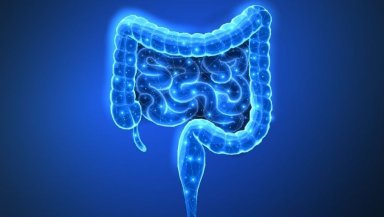
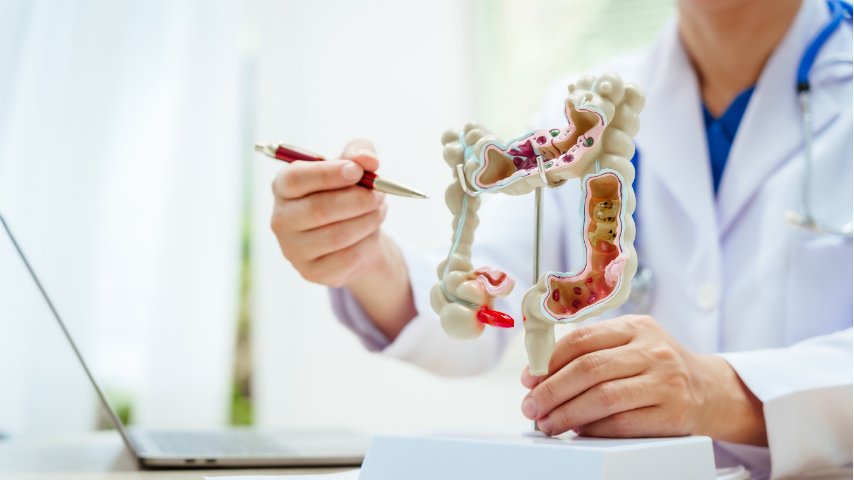
Colon cancer, also called colorectal cancer when it includes the rectum, develops in the large intestine. The large intestine is the final part of the digestive system where water is absorbed and waste is stored before leaving the body.
Most colon cancers do not start suddenly. They usually begin as small growths on the inner lining of the colon called polyps. These polyps are often harmless in the beginning and may remain unnoticed for years because they usually do not cause pain or visible symptoms.
Over time, some types of polyps can slowly change into cancer. This process may take many years, which creates an important opportunity for prevention.
If these polyps are found and removed early, cancer may never develop.
This is why colon cancer is one of the few cancers that can often be prevented through regular screening.
Understanding this simple fact changes the way people should think about testing. Screening is not only about finding cancer. It is also about stopping cancer before it starts.
Why Early Detection Matters So Much
Colon cancer is much easier to treat when it is found early.
In the early stages, the disease may be limited to a small area inside the colon and treatment may involve only minor surgery or simple removal during colonoscopy. Recovery is usually better, treatment is less aggressive, and long-term survival rates are much higher.
When diagnosis happens late, the cancer may spread to nearby lymph nodes, liver, lungs, or other organs. Treatment then becomes more difficult and may require major surgery, chemotherapy, radiation, or long-term hospital care.
The challenge is that early colon cancer often causes no symptoms at all.
A person may feel completely healthy while the disease is slowly developing inside the body.
This is why waiting for symptoms is risky.
Preventive GI procedures allow doctors to find warning signs before pain, bleeding, or weight loss begins. This early action can make the difference between simple treatment and life-threatening disease.
Common Warning Signs of Colon Problems
Although early cancer may not cause symptoms, certain warning signs should never be ignored.
Blood in the stool is one of the most important signs. It may appear as bright red blood, dark stool, or hidden bleeding that causes anemia and tiredness.
Changes in bowel habits that last for several weeks are also important. This includes long-term constipation, repeated diarrhea, thinner stools, or the feeling that the bowel does not empty completely.
Unexplained weight loss, ongoing abdominal pain, bloating, weakness, and low blood count may also suggest colon disease.
These symptoms do not always mean cancer, but they should always be checked properly.
Many people ignore these signs because they think it is only piles, acidity, or stress. This delay can be dangerous.
Early medical attention helps identify the cause before it becomes serious.
Who Is at Higher Risk for Colon Cancer
Anyone can develop colon cancer, but some people have a higher risk and may need earlier or more frequent screening.
Age is one of the biggest risk factors. Most routine screening begins around the age of 45, although local guidelines may vary.
People with a family history of colon cancer or colon polyps have a higher risk, especially if a close family member was diagnosed at a younger age.
Patients with inflammatory bowel diseases like ulcerative colitis or Crohn’s disease may also need regular screening because long-term inflammation increases cancer risk.
Lifestyle also matters. Smoking, obesity, low physical activity, heavy alcohol use, and a diet high in processed food and red meat may increase the chance of developing colon cancer.
People with diabetes or certain inherited conditions may also need closer monitoring.
Knowing your risk helps doctors decide the right screening plan for you.
Colonoscopy: The Most Powerful Preventive Procedure
Colonoscopy is considered the gold standard for colon cancer screening because it allows doctors to examine the entire large intestine directly.
During the procedure, a thin flexible tube with a camera called a colonoscope is passed through the rectum and guided through the colon.
This helps doctors look for polyps, inflammation, bleeding, ulcers, or suspicious growths.
The biggest advantage of colonoscopy is that it does not only detect problems. It can also treat them during the same procedure.
If a polyp is found, it can often be removed immediately. This is called therapeutic polypectomy.
Removing the polyp early can stop it from becoming cancer in the future.
This makes colonoscopy one of the most effective cancer prevention tools in modern medicine.
Although many people fear the test, the actual procedure is usually simple, safe, and done with sedation for comfort.
Flexible Sigmoidoscopy and When It Helps
Flexible sigmoidoscopy is another preventive GI procedure used to examine the lower part of the large intestine.
It focuses on the rectum and sigmoid colon, which is the final section of the colon closest to the rectum.
The procedure uses a shorter flexible tube with a camera and is usually quicker and simpler than a full colonoscopy.
Preparation is often easier, and sedation may not always be needed.
This test can detect polyps, inflammation, bleeding, and cancers in the lower bowel.
However, it does not examine the entire colon, which means problems in the upper part of the colon may be missed.
For this reason, colonoscopy is usually preferred for full cancer screening, while sigmoidoscopy may be used in selected cases depending on symptoms and medical advice.
Stool-Based Screening Tests
Not all screening starts with endoscopy.
Stool-based tests are also commonly used to detect early warning signs of colon cancer.
These tests look for hidden blood in the stool that may not be visible to the eye. This is called occult blood testing.
Another type checks for abnormal DNA changes that may suggest cancer or advanced polyps.
These tests are simple, non-invasive, and can often be done at home.
They are useful for routine screening, especially for people without symptoms.
However, if the result is abnormal, colonoscopy is usually needed next to find the exact source.
Stool tests are helpful for detection, but they do not remove polyps or provide direct treatment like colonoscopy does.
They are often the first step, not the final step.
CT Colonography and Other Imaging Options
In some situations, doctors may use CT colonography, also called virtual colonoscopy.
This is a special scan that creates detailed images of the colon using CT imaging.
It can help identify larger polyps or suspicious growths when regular colonoscopy is not possible.
However, if something abnormal is found, a standard colonoscopy is still needed for biopsy or removal.
Capsule endoscopy is not usually the first choice for colon cancer screening because it is more useful for examining the small intestine.
Imaging tests support diagnosis, but preventive colonoscopy remains the strongest tool for direct prevention.
Preparing for Preventive GI Procedures
Preparation depends on the type of test being performed.
For colonoscopy and sigmoidoscopy, bowel preparation is very important. The colon must be clean so the doctor can clearly see the lining.
Patients may need a special diet, clear liquids, and bowel-cleansing medicine the day before the procedure.
For stool tests, preparation is much simpler and may not require fasting.
Your doctor will also review regular medicines, especially blood thinners, diabetes medicines, and heart medications.
Following instructions carefully improves test accuracy and reduces the chance of repeating the procedure.
Many patients say the preparation feels harder than the procedure itself, but it is a necessary step for reliable results.
What Happens If a Polyp Is Found
Finding a polyp does not automatically mean cancer.
Most polyps are harmless at first, but some have the potential to become cancer over time.
If a polyp is found during colonoscopy, the doctor usually removes it immediately using a special tool passed through the scope.
The removed tissue is then sent to the laboratory for microscopic examination.
This helps determine the type of polyp and whether further treatment is needed.
Some patients may only need repeat screening after a few years, while others may require closer follow-up depending on the size, number, and type of polyps found.
This is why removing polyps early is such an important part of prevention.
It changes the future before cancer begins.
Why People Delay Screening and Why They Should Not
Many people delay screening because they feel healthy, feel embarrassed, or fear the procedure.
This is one of the biggest reasons colon cancer is often diagnosed late.
People often assume that if there is no pain, there is no problem. Colon cancer proves that assumption wrong.
Some avoid testing because they are afraid of what doctors might find.
But delaying the test does not remove the disease. It only removes the chance of finding it early.
Screening is not a sign of illness. It is a step toward prevention.
A short procedure today can prevent major surgery or life-threatening illness later.
The temporary discomfort of preparation is small compared to the benefit of protecting long-term health.
Lifestyle Habits That Support Prevention
Screening is powerful, but daily habits also play a major role in colon cancer prevention.
Eating more fruits, vegetables, whole grains, and fiber supports healthy digestion and bowel function.
Reducing processed foods, excessive red meat, smoking, and heavy alcohol use may lower cancer risk.
Regular physical activity helps digestion and improves overall health.
Maintaining a healthy body weight is also important because obesity increases the risk of colon disease.
These habits do not replace screening, but they work together with preventive GI procedures for stronger protection.
Good lifestyle choices and regular medical care create the best long-term defense.
Conclusion
Colon cancer is one of the most preventable cancers when the right screening happens at the right time.
Because it often begins as a harmless-looking polyp and develops slowly over many years, preventive GI procedures like colonoscopy, sigmoidoscopy, and stool-based screening create a valuable chance for early action.
Finding and removing polyps before they turn into cancer can completely change the outcome.
Early detection means easier treatment, better recovery, and a much higher chance of long-term survival.
If you are over the recommended screening age, have a family history of colon cancer, or notice warning signs like blood in stool or changes in bowel habits, do not delay medical advice.
The best time to prevent colon cancer is before symptoms begin.
A simple screening today can protect your future health and may even save your life.
References and Sources
American Cancer Society – Colorectal Cancer Screening
National Institute of Diabetes and Digestive and Kidney Diseases – Colon Cancer and Digestive Health
Cleveland Clinic – Colonoscopy and Colon Cancer Prevention Guide