What Is Stereotactic Body Radiation Therapy? A Beginner-Friendly Guide for Cancer Patients
Medicine Made Simple
Stereotactic Body Radiation Therapy (SBRT) is a modern cancer treatment that uses very focused, high-dose radiation to destroy tumors. Unlike traditional radiation, SBRT delivers treatment in just a few sessions with high precision, which helps protect nearby healthy tissues. It is commonly used for small tumors in organs like the lungs, liver, and prostate. The procedure is non-invasive, meaning no surgery is needed. Patients usually lie still while a machine targets the tumor from different angles. SBRT is fast, effective, and often has fewer side effects compared to older radiation methods.
Understanding the Basics of Cancer Treatment
When someone is diagnosed with cancer, one of the first questions that comes up is: how will it be treated? There are several common treatment options. These include surgery, chemotherapy, and radiation therapy. Each method works in a different way.
Radiation therapy uses high-energy rays to kill cancer cells. It works by damaging the DNA inside those cells so they can no longer grow or divide. Over time, the cancer cells die, and the body removes them naturally.
Traditional radiation therapy usually requires many small doses given over several weeks. While effective, it can sometimes affect healthy tissues around the tumor.
This is where newer techniques like SBRT come in.
What Is Stereotactic Body Radiation Therapy (SBRT)?
Stereotactic Body Radiation Therapy, often called SBRT, is an advanced form of radiation treatment. It delivers very high doses of radiation to a tumor with extreme accuracy.
The key difference is precision.
Instead of spreading radiation over a large area, SBRT targets the tumor from multiple angles. This allows doctors to focus only on the cancer while avoiding nearby healthy tissues as much as possible.
Another major difference is time.
SBRT usually takes between one to five sessions. Traditional radiation may take 20 to 30 sessions or more.
Because of this, SBRT is often seen as a faster and more convenient option.
How Does SBRT Work?
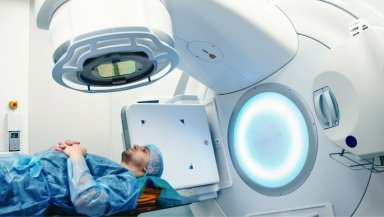
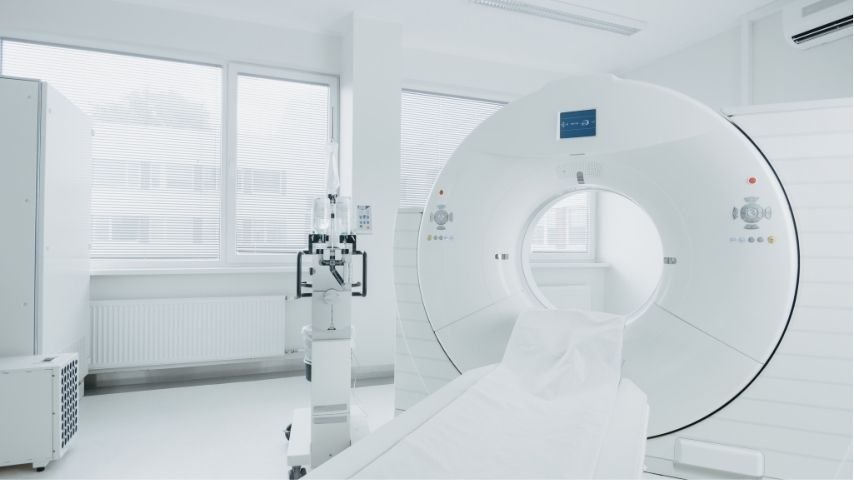
SBRT uses advanced imaging and computer-guided technology to locate the tumor very precisely at a qualified SBRT treatment center. Before treatment begins, detailed scans like CT or MRI are taken. These scans help doctors map the exact size, shape, and position of the tumor. During treatment, a machine delivers radiation beams from different angles. These beams meet at the tumor, delivering a powerful dose exactly where it is needed. To make sure the patient stays in the correct position, special supports or molds may be used. Even small movements can affect accuracy, so stability is very important. The entire process is painless. Patients do not feel the radiation while it is being delivered.
Why Is SBRT Considered Advanced?
SBRT is considered a major improvement in cancer care because of its precision and efficiency.
It reduces damage to healthy tissues. This means fewer side effects in many cases.
It also shortens treatment time. Instead of visiting the hospital daily for weeks, patients may complete treatment in just a few days.
Another benefit is that SBRT can be used for patients who are not fit for surgery. For example, older patients or those with other health conditions may not be able to undergo surgery safely. SBRT provides a non-invasive alternative.
Which Cancers Can Be Treated with SBRT?
SBRT is commonly used for small, well-defined tumors. It works best when the tumor has not spread widely.
Some of the most common cancers treated with SBRT include lung cancer, prostate cancer, liver cancer, and spinal tumors.
It is also used for certain metastatic cancers, where cancer has spread to a limited number of areas.
However, not every patient is suitable for SBRT. The decision depends on tumor size, location, and overall health.
Who Is a Good Candidate for SBRT?
Doctors consider several factors before recommending SBRT.
The tumor should be small and clearly visible on imaging scans. It should also be located in a place where high-dose radiation can be delivered safely.
Patients who cannot undergo surgery often benefit from SBRT. This includes people with heart or lung conditions.
It is also suitable for patients who prefer a shorter treatment schedule.
However, if the tumor is too large or too close to sensitive organs, other treatments may be safer.
What Happens Before SBRT Treatment?
Preparation is a key part of SBRT.
Patients undergo a planning session called simulation. During this session, imaging scans are taken to map the tumor.
Doctors use this information to design a personalized treatment plan.
Patients may be asked to follow specific instructions. For example, they might need to avoid eating before treatment or maintain a certain position.
Special devices may be created to help the patient stay still during treatment.
What Happens During SBRT Treatment?
During the actual treatment, the patient lies on a treatment table.
The radiation machine moves around the body, delivering beams from different angles.
The session usually lasts between 30 to 60 minutes.
Patients are awake throughout the procedure. There is no pain, no cuts, and no anesthesia required.
Doctors and technicians monitor the process from another room, but they can see and communicate with the patient at all times.
What Happens After SBRT?
After treatment, most patients can go home the same day.
There is usually no need for hospital admission.
Some patients may feel tired for a few days. Mild side effects may occur depending on the area treated.
Follow-up visits are important. Doctors will check how the tumor is responding to treatment using scans.
Over time, the tumor shrinks or stops growing.
Benefits of SBRT
There are several notable SBRT benefits for patients. It is non-invasive. There is no surgery involved. It is quick. Treatment is completed in a few sessions. It is precise. Healthy tissues are better protected. It has high success rates for certain cancers. Many patients also find it more convenient because it reduces travel and hospital visits.
Are There Any Risks or Side Effects?
Like any medical treatment, SBRT has some risks. Common SBRT side effects include fatigue, mild skin changes, or discomfort in the treated area. These are usually temporary. In rare cases, more serious side effects can occur, especially if the tumor is near critical organs. Doctors carefully plan treatment to reduce these risks as much as possible.
How Effective Is SBRT?
SBRT has shown excellent results for many types of cancer. In early-stage lung cancer, it can be as effective as surgery for some patients. Regarding SBRT effectiveness, it also works well for prostate and liver cancers. The success depends on factors like tumor size, location, and overall health.
Suggested Images for the Blog
- Diagram showing how SBRT targets a tumor from multiple angles
- Comparison image of SBRT vs traditional radiation spread
- Illustration of patient positioning during SBRT
- Before-and-after tumor response images
When Should You Consider SBRT?
SBRT may be a good option if you have a small tumor and want a non-surgical treatment.
It is also worth considering if you want a shorter treatment schedule.
However, every case is different. It is important to discuss all options with your doctor.
Conclusion
If you or a loved one has been diagnosed with cancer and are exploring treatment options, speak with a radiation oncologist about SBRT. Ask if it is suitable for your specific condition. Getting the right information early can help you make confident and informed decisions about your care.