Stereotactic Body Radiation Therapy – What to Expect Before, During, and After Treatment

Medicine Made Simple
Stereotactic Body Radiation Therapy (SBRT) is a precise cancer treatment that delivers high-dose radiation to a tumor in a few sessions. Before treatment, patients undergo detailed scans and planning to map the tumor accurately. During SBRT, the patient lies still while a machine delivers radiation from different angles without any pain or surgery. Each session usually lasts less than an hour. After treatment, most patients go home the same day and may experience mild fatigue or discomfort. Understanding each step helps patients feel more prepared and less anxious about the process.
Understanding SBRT as a Treatment Journey
When a patient is advised to undergo SBRT, it can feel overwhelming at first. The name itself sounds complex, and many people are unsure about what the treatment involves. However, SBRT is actually a well-structured process. It follows clear steps that are designed to ensure safety, accuracy, and SBRT effectiveness. From preparation to recovery, each stage plays an important role.
Understanding this journey can help reduce fear and make the experience more manageable. When patients know what to expect, they often feel more confident and in control.
Before SBRT: The Planning Phase
The preparation stage is one of the most important parts of SBRT. It ensures that the treatment is accurate and tailored to the patient’s specific condition.
Initial Consultation and Evaluation
The process usually begins with a consultation with a radiation oncologist at a specialized SBRT treatment center. During this visit, the doctor reviews the patient’s medical history, reports, and imaging scans. The doctor explains why SBRT is being recommended and discusses possible SBRT benefits and risks. This is also the time for patients and families to ask questions and clarify doubts.
Imaging and Simulation
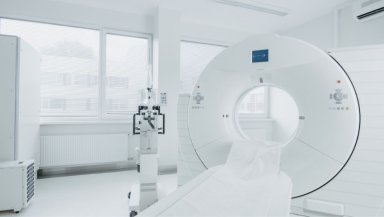
After the consultation, patients undergo a planning session called simulation. This involves detailed imaging scans such as CT, MRI, or PET scans.
These scans help doctors identify the exact size, shape, and position of the tumor. Even small details matter because SBRT delivers very precise radiation.
During simulation, the patient is positioned in the same way they will be during treatment. Special supports or molds may be used to help the patient stay still.
Creating the Treatment Plan
Using the images from the simulation, doctors create a personalized treatment plan. Advanced software is used to design how the radiation beams will be delivered.
The plan determines the dose, angles, and number of sessions. This step may take a few days, as accuracy is critical.
Patients may not see this process, but it is one of the most important parts of SBRT.
Preparing Yourself for Treatment
Patients are usually given simple instructions before starting SBRT.
These may include guidelines about eating, drinking, or medications. In some cases, patients may be asked to follow breathing instructions, especially if the tumor is in the lungs or abdomen.
It is important to follow these instructions carefully. They help ensure that the treatment is delivered accurately.
Comfortable clothing is recommended on treatment days. Patients should also plan their schedule, as sessions may take some time.
During SBRT: What Happens in Each Session
The treatment sessions are straightforward and painless. However, knowing what happens can help reduce anxiety.
Arrival and Setup
On the day of treatment, patients arrive at the radiation center and are guided to the treatment room.
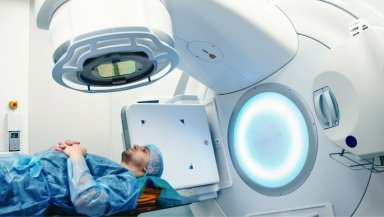
They lie on a treatment table in the same position used during the simulation. The team ensures that the position is correct using imaging guidance.
This setup process may take some time, as accuracy is very important.
Delivery of Radiation
Once everything is ready, the machine begins delivering radiation.
The machine may move around the patient, sending beams from different angles. These beams meet at the tumor, delivering a high dose precisely where it is needed.
Patients do not feel the radiation. There is no pain, heat, or sensation during the process.
The medical team monitors the session from another room but can communicate with the patient at all times.
Duration of Each Session
Each session usually lasts between 30 to 60 minutes. The actual radiation delivery takes only a part of this time. The rest is spent on positioning and checks.
Most patients undergo between one and five sessions in total.
How Patients Usually Feel During Treatment
Many patients are surprised by how simple the treatment feels.
There is no discomfort during the session, and most people can relax while lying on the table. Some patients listen to music or focus on breathing to stay calm.
The main challenge is staying still during the session. This is important to ensure that the radiation is delivered accurately.
Overall, the experience is much easier than many patients expect.
After SBRT: What Happens Next
After each session, patients can usually go home the same day.
There is no need for hospital admission. Most people can return to their normal activities, although it is advisable to take things easy.
Immediate Effects
Some patients may feel tired after treatment. This fatigue is usually mild and temporary.
Depending on the area treated, there may be slight discomfort or irritation. These effects are generally manageable and improve over time.
Recovery and Follow-Up
Recovery from SBRT is usually quick.
Doctors schedule follow-up visits to monitor progress. Imaging scans are used to check how the tumor is responding to treatment.
It is important to attend these follow-ups, as they help track the success of the therapy.
Managing Side Effects After SBRT
Side effects vary depending on the location of the tumor.
For example, treatment to the chest may cause mild coughing, while treatment to the abdomen may affect digestion slightly.
Most SBRT side effects are temporary and can be managed with simple measures. Doctors may provide medications or advice to help manage symptoms. Patients should report any unusual or severe symptoms to their healthcare team.
Emotional and Mental Preparation
Cancer treatment is not just physical. It also affects emotions and mental well-being.
Some patients feel anxious before starting SBRT. Others may feel relieved once treatment begins.
Talking to family members, friends, or support groups can help. Understanding the process also reduces fear and uncertainty.
Being mentally prepared makes the journey smoother.
Common Questions Patients Ask
Patients often have similar concerns before starting SBRT.
They want to know if the treatment will hurt, how long it will take, and when they will feel better.
Clear communication with the medical team helps answer these questions and builds trust.
Patients should never hesitate to ask questions or share concerns.
Why Understanding the Process Matters
Knowing what to expect before, during, and after SBRT can make a big difference.
It reduces fear, improves cooperation during treatment, and helps patients feel more in control.
When patients understand each step, they are better prepared to handle the experience.
This understanding also helps families support their loved ones more effectively.
Conclusion
If you or a loved one is preparing for SBRT, speak with your healthcare team and ask for a clear explanation of each step in your treatment plan. Understanding the process can reduce anxiety and help you feel more confident. Take an active role in your care by staying informed and following your doctor’s guidance throughout the journey.