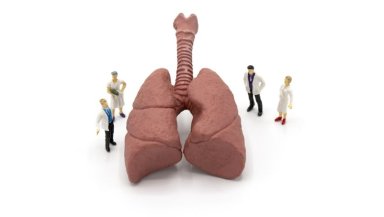
Single vs Double Lung Transplant: What’s the Difference and Who Needs Which?

Medicine Made Simple
A lung transplant is a surgery in which doctors replace a diseased lung with a healthy lung from a donor. Depending on the patient’s condition, the transplant may involve replacing one lung or both lungs. A single lung transplant replaces one lung, while a double lung transplant replaces both lungs during the same operation. The choice depends on the type of lung disease, severity of damage, and overall health of the patient. The goal of either procedure is to improve breathing, restore oxygen levels, and enhance quality of life for patients with advanced lung disease.
Understanding Different Types of Lung Transplants
When doctors recommend a lung transplant, patients often assume both lungs will be replaced. However, this is not always necessary.
In many cases, only one lung may need to be replaced. In other situations, both lungs must be transplanted.
The decision between a single lung transplant and a double lung transplant depends on several medical factors. These include the type of lung disease, the extent of lung damage, and meeting specific lung transplant eligibility criteria.
Understanding the difference between these procedures can help patients feel more informed and confident about their treatment.
What Is a Single Lung Transplant?
In a single lung transplant, surgeons replace only one diseased lung with a healthy donor lung.
The other lung remains in the body. Even if the remaining lung is damaged, it may still provide some breathing support.
This procedure is often recommended when one lung can function well enough alongside the transplanted lung.
Single lung transplants are commonly performed for diseases such as pulmonary fibrosis or certain forms of COPD at a specialized lung transplant center.
One advantage of single lung transplantation is that it uses only one donor lung. This allows the second lung from the same donor to help another patient on the transplant waiting list.
What Is a Double Lung Transplant?
A double lung transplant involves replacing both diseased lungs during the same surgery.
This procedure is usually required when both lungs are severely damaged or infected.
Conditions like cystic fibrosis, bronchiectasis, and severe pulmonary hypertension often require double lung transplantation.
In these diseases, leaving one diseased lung behind could continue spreading infection or cause ongoing complications.
Double lung transplantation ensures that both lungs are replaced with healthy donor lungs.
Suggested Image: Diagram showing both lungs replaced during surgery.
How Doctors Decide Between the Two
Choosing between a single lung transplant and a double lung transplant is a complex decision.
Doctors carefully study the patient’s medical condition, test results, and imaging scans.
If the disease affects both lungs severely or involves chronic infection, doctors may recommend replacing both lungs.
If one lung can still function reasonably well, a single lung transplant may be sufficient.
Other factors such as age, overall health, and waiting list availability also influence the decision, especially when weighing the various lung transplant risks involved.
The transplant team carefully balances risks and benefits before recommending the most suitable option.
Differences in Surgery and Recovery
Both procedures are major surgeries, but double lung transplantation is usually more complex.
A single lung transplant typically takes less time in the operating room. Recovery may also be slightly faster.
A double lung transplant requires replacing both lungs during the same operation. This means surgery may take longer.
However, many patients with certain diseases experience better long-term results with double lung transplantation.
Recovery after both procedures includes intensive monitoring, medications to prevent rejection, and pulmonary rehabilitation.
Suggested Image: Simple diagram explaining surgical steps.
Life After Single vs Double Lung Transplant
After recovery, many patients experience significant improvement in breathing regardless of the type of transplant they receive.
Patients who undergo a single lung transplant often notice improved oxygen levels and reduced breathlessness.
Patients who receive double lung transplants may experience even greater improvement if both lungs were previously severely diseased.
Regardless of the type of transplant, patients must take lifelong medications to prevent organ rejection and watch for any lung transplant warning signs during follow-up appointments.
Maintaining a healthy lifestyle, avoiding infections, and following medical advice are essential for long-term success.
Why Individual Evaluation Is Important
Every patient’s condition is unique. What works best for one person may not be the right option for another.
That is why lung transplant decisions are made by a multidisciplinary team of specialists who carefully evaluate each patient.
This team considers lung function, disease progression, overall health, and donor organ availability before recommending a treatment plan.
Understanding the difference between single and double lung transplantation helps patients ask the right questions and feel more involved in their care decisions.
Conclusion
If you or a loved one has been advised to consider lung transplantation, discussing the different transplant options with an experienced transplant specialist can help you understand which procedure may be most suitable. Early evaluation and expert guidance can make a significant difference in treatment outcomes.
References and Sources
National Heart Lung and Blood Institute