Am I Eligible for a Lung Transplant? Age Limits, Health Criteria and Tests Explained
Medicine Made Simple
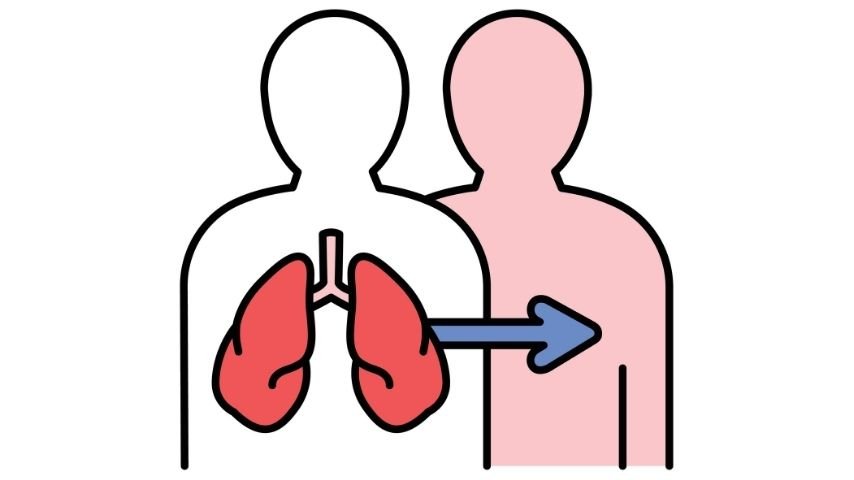
A lung transplant is a surgery where doctors replace one or both diseased lungs with healthy lungs from a donor. This procedure is usually recommended for people with severe lung diseases that prevent the lungs from supplying enough oxygen to the body even after medications, oxygen therapy, and other treatments. Before a transplant can happen, doctors must carefully evaluate whether the patient is healthy enough for surgery and long-term recovery. This evaluation includes medical tests, assessment of lung disease severity, and checking overall health to ensure the patient can safely undergo transplantation.
Understanding Lung Transplant Eligibility
A lung transplant can be a life-saving treatment for people with advanced lung disease. But not everyone with lung disease automatically qualifies for this surgery.
Because lung transplantation is a complex procedure and donor organs are limited, doctors follow strict criteria to decide who is eligible. The goal is to ensure that the transplant will provide the best possible outcome for the patient.
Eligibility depends on several factors, including the clinical decision for a single vs double lung transplant. These include the severity of the lung disease, the patient’s overall health, age, lifestyle habits, and ability to manage long-term medical care after the transplant. Understanding these criteria helps patients and families know when a transplant evaluation may be appropriate.
When Doctors Start Considering Lung Transplantation
Doctors usually begin considering a lung transplant when lung disease becomes severe and other treatments no longer provide enough relief.
Patients may experience worsening breathlessness, declining oxygen levels, and increasing difficulty performing daily activities. Some patients may also require frequent hospitalizations for breathing problems.
At this stage, doctors may refer the patient to a professional lung transplant center for evaluation.
It is important to understand that referral for evaluation does not automatically mean a transplant will happen. It simply means doctors want to determine whether the patient may benefit from the procedure.
Is There an Age Limit for Lung Transplant?
Age is one of the factors doctors consider when evaluating transplant eligibility.
There is no absolute age limit, but most transplant programs prefer candidates who are younger than 65 to 70 years old. Younger patients often recover more easily from major surgery and may have better long-term outcomes.
However, age alone does not determine eligibility. Some older patients who are otherwise healthy may still qualify for lung transplantation.
Doctors focus more on overall physical condition rather than just the number of years a person has lived.
Overall Health Matters
For a lung transplant to succeed, the patient’s body must be strong enough to handle major surgery and the recovery process.
Doctors carefully evaluate other organs such as the heart, kidneys, and liver. If these organs are severely damaged, the lung transplant risks may carry higher stakes for the patient. Patients must also be free from active infections or untreated cancers. These conditions can make transplantation unsafe.
Maintaining a healthy weight, managing chronic diseases such as diabetes, and staying physically active can improve the chances of being eligible for transplant.
Suggested Image: Diagram showing body organs evaluated before transplant.
Lifestyle Factors That Affect Eligibility
Lifestyle choices play an important role in transplant eligibility.
Patients must stop smoking completely before they can be considered for lung transplantation. Smoking damages the lungs and increases the risk of complications after surgery.
Doctors also assess alcohol use and substance abuse history. Patients must demonstrate the ability to follow medical instructions and maintain healthy habits.
Because transplant patients must take medications for life, doctors need to ensure that the patient can reliably follow the treatment plan.
The Importance of Emotional and Social Support
Lung transplant recovery requires strong emotional and social support.
Patients often need help from family members or caregivers during recovery. Support is important for managing medications, attending follow-up visits, and maintaining lifestyle changes.
Transplant centers usually include psychologists and social workers in the evaluation process. They assess whether the patient has the support system needed for long-term success.
Tests Used to Evaluate Lung Transplant Eligibility
Before being placed on the transplant waiting list, patients undergo several medical tests.
These tests help doctors understand how severe the lung disease is and whether the patient can safely undergo surgery.
Common tests include lung function tests, which measure how much air the lungs can hold and how well oxygen moves into the bloodstream.
Imaging tests such as chest X-rays and CT scans allow doctors to examine the structure of the lungs.
Heart tests such as echocardiograms and cardiac catheterization may also be performed to evaluate heart health.
Blood tests help identify infections, assess organ function, and determine blood type for donor matching.
Suggested Image: Infographic showing the transplant evaluation testing process.
What Happens After the Evaluation
Once all tests are completed, the transplant team reviews the results carefully.
This team usually includes pulmonologists, transplant surgeons, cardiologists, nurses, psychologists, and rehabilitation specialists.
Together they determine whether the patient is eligible for a lung transplant.
If the patient meets the criteria, they may be placed on the transplant waiting list.
If transplantation is not recommended at that time, doctors may suggest other treatments or monitoring until the condition changes.
Why Early Evaluation Is Important
One of the most important things patients should know is that transplant evaluation should happen before the disease becomes too advanced.
Patients who are referred too late may become too sick to safely undergo surgery.
Early consultation allows doctors to monitor the disease, look out for lung transplant warning signs, and prepare for transplant if necessary.
Even if surgery is not immediately required, early evaluation ensures that patients have access to the right care at the right time.
Living with Hope
For many patients with severe lung disease, lung transplantation offers a chance to breathe easier and live longer.
Although the evaluation process may feel overwhelming, it is designed to protect the patient and ensure the best possible outcome.
With advances in surgical techniques and post-transplant care, many transplant recipients go on to live active and fulfilling lives.
Understanding eligibility criteria helps patients take the first step toward exploring this life-saving treatment.
Conclusion
If you or a loved one has advanced lung disease and symptoms continue to worsen despite treatment, speaking with a lung specialist can help determine whether a transplant evaluation may be appropriate. Early consultation with a transplant center allows doctors to assess your condition and guide you toward the most suitable treatment options.
References and Sources
National Heart Lung and Blood Institute