Cost, Access, and Where to Get CAR-T Therapy: A Practical Guide for Patients
Medicine Made Simple Summary
CAR-T cell therapy is a highly advanced cancer treatment and can be expensive. The total cost includes not just the therapy itself but also hospital care, monitoring, and follow-up. Many patients worry about affordability, insurance coverage, and where this treatment is available. While CAR-T therapy is costly, it is often covered by insurance for approved uses, and hospitals offer support to help patients manage expenses. Understanding cost, access, and treatment locations helps patients and families plan realistically and avoid surprises.
Introduction
When CAR-T cell therapy is discussed, one of the first concerns patients and families raise is cost. This concern is valid. CAR-T therapy is one of the most complex cancer treatments available today. Along with cost comes another important question. Where can this treatment be given?
This article explains these practical concerns in simple language. It is written to help patients and caregivers understand what contributes to the cost, how access works, and how to find treatment centers.
Why CAR-T Therapy Is Expensive
CAR-T therapy is not a single medicine that can be picked up from a pharmacy. It is a personalized treatment made specifically for one patient.
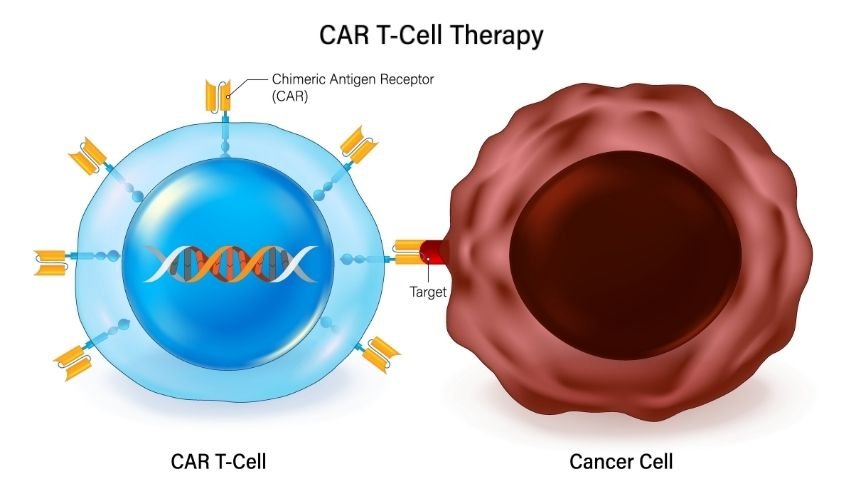
The process begins with collecting immune cells. These cells are then sent to a specialized laboratory where they are genetically modified. This process requires advanced technology, strict safety standards, and highly trained staff.
After the cells are ready, patients must be admitted to a hospital that has experience with CAR-T therapy. Close monitoring is needed for CAR-T therapy side effects, sometimes in intensive care units. All of these steps add to the overall cost.
The price also reflects years of research and development and ongoing CAR-T therapy breakthroughs that made the therapy possible.
What the Total Cost Usually Includes
Many people think the cost of CAR-T therapy is just the price of the cells. In reality, the total cost includes much more.
Hospital stays before and after the infusion are a major part of the expense. Patients are monitored closely for side effects such as fever or confusion. Medications used to manage these effects also add to the cost.
Blood tests, scans, specialist consultations, and follow-up visits are included as well. In some cases, patients may need rehabilitation or additional care after discharge.
Travel and accommodation costs can also matter, especially if the treatment center is far from home.
Understanding Insurance Coverage
The good news is that many insurance providers cover CAR-T therapy for approved uses. This includes both private insurance and government-funded plans in many countries.
Coverage usually applies when CAR-T therapy is approved for a specific cancer type and when eligibility criteria are met. Insurance approval often requires detailed medical documentation.
The approval process can take time. This is why hospitals usually start insurance discussions early. Financial counselors help families understand what is covered and what may need out-of-pocket payment.
Even when the treatment itself is covered, patients should ask about costs related to travel, lodging, and caregiver support.
What If Insurance Does Not Cover Everything
In some cases, insurance may not cover all expenses. This can happen if the treatment is part of a clinical trial or if certain services fall outside standard coverage.
Hospitals often have patient assistance programs. These programs help identify financial aid, grants, or charitable support.
Some drug manufacturers also offer support programs to help eligible patients.
Speaking openly with hospital financial teams helps families plan and reduces stress.
Access Challenges: Why CAR-T Is Not Available Everywhere
CAR-T therapy can only be given at specialized centers. These centers must meet strict safety requirements and have trained teams available at all times.
Not every hospital can offer CAR-T therapy. This means patients may need to travel to larger cancer centers.
Access can be challenging for patients who live far from these centers or have limited ability to travel. This is one reason why caregiver support is required during treatment.
Efforts are ongoing to increase the number of treatment centers and improve access over time.
Where CAR-T Therapy Is Given
CAR-T therapy is provided at certified cancer centers that specialize in advanced treatments.
These centers have experience managing side effects and emergencies related to immune therapies. They also have multidisciplinary teams, including oncologists, neurologists, and intensive care specialists.
Patients usually need to stay near the center for several weeks after treatment. This allows quick medical attention if side effects develop.
Doctors help patients find the nearest suitable center and coordinate referrals.
Access Through Clinical Trials
Some patients receive CAR-T therapy through clinical trials. Trials test new CAR-T designs or expand use to new cancer types.
Clinical trials often cover the cost of the experimental treatment. However, routine care costs may still apply.
Eligibility for trials depends on specific criteria. Doctors help patients understand whether a trial is appropriate and what participation involves.
Clinical trials are carefully regulated and monitored for safety.
Travel and Living Arrangements During Treatment
Because CAR-T therapy requires close monitoring, patients may need temporary housing near the treatment center.
Some hospitals provide patient housing or have partnerships with nearby accommodations. Support organizations may also help with lodging and transportation.
Caregivers usually need to stay with the patient during this time. Planning ahead for time off work and family responsibilities is important.
Hospital social workers help families manage these logistics.
Planning Ahead Reduces Stress
Understanding cost and access early makes the treatment journey smoother. Patients should ask clear questions about timelines, coverage, and support services.
Writing down questions before appointments helps ensure nothing is missed. Asking for written cost estimates can also be helpful.
Families should remember that they are not alone. Care teams are used to guiding patients through these challenges.
How Access Is Improving Over Time
As CAR-T therapy becomes more common, access is slowly improving. More hospitals are being trained to deliver this treatment.
Research into faster and ready-made CAR-T therapies may also reduce costs and increase availability in the future.
While challenges remain, progress is steady and meaningful.
referral to specialized centers, and an infographic breaking down cost components.
Conclusion: Knowledge Helps You Plan With Confidence
CAR-T therapy can feel overwhelming when considering cost and access. Understanding what drives cost, how insurance works, and where treatment is available helps reduce fear.
With the right information and support, many patients successfully navigate these challenges and focus on recovery.
If CAR-T therapy is being considered, ask your care team to connect you with a financial counselor and social worker early. Planning ahead helps you focus on treatment rather than logistics.
References and Sources
CAR-T Cell Therapy Overview (NCI)