CAR-T for Solid Tumors: Why It’s Harder and What Research Is Doing to Solve It
Medicine Made Simple Summary
CAR-T cell therapy has shown strong success in some blood cancers, but using it for solid tumors like lung, breast, or brain cancer is much more difficult. Solid tumors create physical and chemical barriers that make it hard for CAR-T cells to reach and survive inside them. Cancer cells in solid tumors also hide better from the immune system. Researchers are now developing smarter CAR-T cells, new targets, and combination treatments to overcome these problems. While CAR-T for solid tumors is still developing, progress is steady and offers growing hope for patients.
Introduction
CAR-T cell therapy has changed the way doctors treat certain blood cancers. Many patients and families now ask an important question. If CAR-T works so well for blood cancers, why is it not widely used for solid tumors?
This is a very natural question. Solid tumors include cancers like breast cancer, lung cancer, colon cancer, brain tumors, and pancreatic cancer. These cancers affect millions of people worldwide. Understanding why CAR-T therapy struggles here helps patients understand both the limits and the future promise of this treatment.
This article explains the problem step by step, in simple language, and describes how researchers are working to solve it, including recent CAR-T therapy breakthroughs.
What Makes Solid Tumors Different From Blood Cancers
Blood cancers like leukemia and lymphoma live in the blood or bone marrow. Cancer cells float freely and are easy for CAR-T cells to find.
Solid tumors are different. They form a mass of cancer cells packed tightly together. This mass is often surrounded by normal tissue, blood vessels, and support cells. All of this creates a difficult environment for immune cells.
For CAR-T cells, reaching a solid tumor is like trying to enter a locked building with thick walls and poor lighting. The cells may struggle to get inside, survive, and do their job.
Problem One: Finding the Right Target
CAR-T cells work by recognizing a specific marker on cancer cells. In blood cancers, these markers are clear and mostly found only on cancer cells.
In solid tumors, finding such markers is harder. Many markers found on solid tumor cells are also present on healthy cells. If CAR-T cells attack these markers, they may harm normal organs and increase CAR-T therapy side effects.
This creates a safety problem. Researchers must find targets that are strong enough to guide CAR-T cells but safe enough to avoid damaging healthy tissue.
Problem Two: Getting Inside the Tumor
Even when CAR-T cells know what to attack, they must physically reach the tumor.
Solid tumors often have poor blood supply. This limits how many immune cells can enter. Tumors also create dense tissue that blocks movement.
In addition, solid tumors release chemicals that push immune cells away. These signals act like “do not enter” signs for CAR-T cells.
As a result, many CAR-T cells remain outside the tumor and never reach cancer cells.
Problem Three: Surviving the Tumor Environment
Solid tumors create a hostile environment. Oxygen levels may be low. Nutrients are limited. Toxic chemicals may be present.
Cancer cells also release substances that weaken immune cells. This can make CAR-T cells tired or inactive before they can kill cancer.
This environment is often described as immune-suppressive. It actively shuts down the immune response.
Problem Four: Cancer Cells That Change and Escape
Solid tumor cancer cells are very adaptable. They can change their surface markers over time.
If CAR-T cells target only one marker, cancer cells may stop showing that marker. This allows them to escape immune attack.
This problem is less common in blood cancers but very common in solid tumors.
How Research Is Solving These Problems
Despite these challenges, researchers have not given up. In fact, this area of research is moving quickly.
One major strategy is designing CAR-T cells that target more than one marker. These multi-target CAR-T cells reduce the chance that cancer can hide.
Another approach involves helping CAR-T cells survive longer. Scientists are modifying CAR-T cells so they can function better in low oxygen and low nutrient environments.
Researchers are also teaching CAR-T cells to release helpful substances that break down tumor barriers. This allows them to move deeper into the tumor mass.
Using Combination Treatments
One promising approach is combining CAR-T therapy with other treatments.
Some drugs weaken the tumor’s defenses. When used together with CAR-T therapy, they make it easier for immune cells to work.
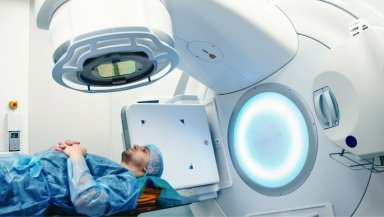
Radiation therapy is sometimes used to damage the tumor structure. This can open pathways for CAR-T cells to enter.
Immunotherapy drugs may also be combined with CAR-T cells to keep them active longer.
These combinations are carefully studied to ensure safety.
New Designs: Smarter CAR-T Cells
New generations of CAR-T cells are more advanced than early versions.
Some CAR-T cells are designed to switch on only inside the tumor. This reduces damage to healthy tissue.
Others can sense the tumor environment and adjust their behavior automatically.
Researchers are also exploring CAR-T cells that release immune signals only when needed, reducing side effects.
Progress in Specific Solid Tumors
CAR-T research is ongoing in several solid tumors. Brain tumors, especially certain aggressive types, have shown early promise.
Some studies in ovarian cancer, prostate cancer, and lung cancer are also showing encouraging signals.
While these treatments are not yet standard, they represent important steps forward.
What This Means for Patients Today
For now, CAR-T therapy for solid tumors is mostly available through clinical trials.
Patients interested in this option should talk to their oncologist about eligibility and availability.
Clinical trials are carefully designed and monitored. They offer access to advanced treatments while helping improve future care.
It is important to have realistic expectations. CAR-T for solid tumors is still developing, and factors such as eligibility and CAR-T therapy cost may also influence access, but progress is real and meaningful.
Managing Expectations and Hope
Hearing about new research can create hope, but also confusion. Not every patient will benefit immediately.
Doctors help patients understand whether a trial is suitable and what risks are involved.
Hope in medicine grows step by step. CAR-T therapy for blood cancers took years to reach its current success. Solid tumors are following a similar path, alongside continued comparisons like allogeneic vs autologous CAR-T approaches.
Conclusion: Challenges Today, Possibilities Tomorrow
CAR-T therapy for solid tumors is harder because these cancers are complex and well-protected. Barriers, immune suppression, and cancer adaptability all play a role.
Researchers around the world are actively working to solve these problems. Each improvement brings CAR-T therapy closer to helping more patients.
For patients and families, understanding these challenges helps set realistic expectations while still allowing space for hope.
If you or a loved one has a solid tumor and is interested in advanced treatments, ask your oncologist about ongoing CAR-T clinical trials. Staying informed opens doors to future possibilities.
References and Sources