Should Sarcoma Surgery Be Done at a Specialized Cancer Center? What Patients Regret Later
Medicine Made Simple Summary
Sarcoma surgery is complex and very different from most other cancer surgeries. Because sarcoma is rare and behaves unpredictably, outcomes depend heavily on experience and careful planning. Many patients later say they wish their surgery had been done at a specialized cancer center from the beginning. Specialized centers follow sarcoma-specific rules for imaging, biopsy, margins, and reconstruction. Understanding why this matters helps patients avoid preventable complications and improve long-term outcomes.
Introduction
When someone is diagnosed with sarcoma, the instinct is often to start treatment as quickly as possible, usually close to home. Many patients assume that cancer surgery is similar everywhere. Only later do some learn that sarcoma is different and that where surgery is done can strongly influence outcomes.
This realization often comes after repeat surgery, unexpected radiation, or recurrence. At that point, patients look back and wish they had known earlier that sarcoma surgery is not routine. This article explains why sarcoma surgery is best done at specialized cancer centers and what patients commonly regret when it is not.
Why Sarcoma Is Not a Routine Cancer
Sarcoma accounts for a very small percentage of all cancers. Many hospitals and surgeons may see very few cases in their entire careers.
Because of this rarity, sarcoma-specific rules are not always familiar outside specialized centers. These rules include how biopsies are performed, how surgery is planned, and how margins are assessed.
Sarcoma surgery requires a different mindset than most cancer surgeries, and experience matters greatly.
What Makes Sarcoma Surgery So Specialized
Sarcoma surgery involves removing cancer from tissues that control movement, strength, and stability. Tumors often grow along muscle planes and near nerves or blood vessels.
Specialized centers use detailed imaging, multidisciplinary planning, and reconstruction strategies to balance cancer control with function.
This level of coordination is difficult to achieve without regular sarcoma experience.
The Importance of the First Surgery
In sarcoma, the first surgery is the most important one. A well-planned first operation offers the best chance for clear margins and long-term control.
When surgery is done without sarcoma expertise, tumors are more likely to be removed without adequate margins. This increases the risk of recurrence and repeat surgery.
Many patients who later seek specialized care are told that their initial surgery made treatment more difficult.
Unplanned Excision and Its Consequences
Unplanned excision is one of the most common regrets shared by sarcoma patients. This occurs when a lump is removed without knowing it is sarcoma, often reflecting Sarcoma Misdiagnosis Before Surgery.
Specialized centers are trained to avoid this by ensuring proper imaging and biopsy before surgery.
Once an unplanned excision has occurred, achieving clear margins becomes harder and treatment becomes more aggressive.
Why Biopsy Technique Matters
Biopsy is not a simple step in sarcoma care. The biopsy path must be planned so that it can be removed during definitive surgery.
At specialized centers, biopsies are done in coordination with surgical planning. This reduces contamination of surrounding tissues.
Poorly planned biopsies outside specialized centers can complicate future surgery and increase recurrence risk.
How Margins Are Better Achieved at Specialized Centers
Surgeons who regularly treat sarcoma understand how wide margins should be for different sarcoma types, ensuring Clear Margins in Sarcoma Surgery whenever safely possible.
They know when margins can be safely limited and when they must be wide, based on tumor behavior and location.
Studies consistently show higher rates of clear margins when surgery is done at experienced sarcoma centers.
Multidisciplinary Care Makes a Difference
Sarcoma treatment often involves surgery, radiation, chemotherapy, and rehabilitation.
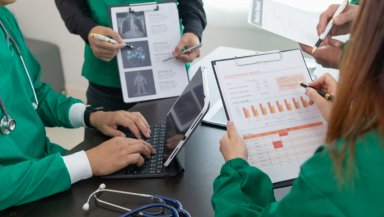
Specialized centers bring these disciplines together to create a coordinated plan. Decisions are made as a team rather than in isolation.
This teamwork improves both cancer control and functional outcomes.
Reconstruction and Function Preservation
Removing large tumors often requires reconstruction to restore movement or stability.
Specialized centers have access to plastic surgeons, orthopedic surgeons, and rehabilitation experts experienced in sarcoma reconstruction.
This expertise helps preserve function and quality of life.
Why Outcomes Differ Between Centers
Patients often ask why outcomes differ if the same surgery is performed. The answer lies in experience, planning, and follow-up.
Centers that treat sarcoma frequently are better at anticipating challenges and managing complications.
Small differences in technique can have large long-term effects.
What Patients Commonly Regret
Many patients say they regret not asking whether their hospital had sarcoma experience.
Others regret not seeking a second opinion before surgery.
These regrets are not about blaming themselves. They reflect how little information is available at diagnosis.
Why Local Care Is Not Always the Best First Step
Local hospitals play an important role in diagnosis and follow-up. However, initial sarcoma surgery is often best done at a specialized center.
Some patients receive surgery locally and later transfer care. By then, opportunities for optimal surgery may have passed.
Starting at a specialized center gives the best chance for success.
Travel and Access Concerns
Traveling to a specialized center can feel overwhelming. Distance, cost, and family responsibilities are real concerns.
Many patients later say that temporary inconvenience would have been worth avoiding repeat surgery or complications.
Some centers also coordinate shared care to reduce travel burden.
Why Speed Should Not Override Expertise
Patients often feel pressured to act quickly after a cancer diagnosis. In sarcoma, taking time to get expert input is usually safer.
Waiting a short period to plan surgery properly is better than rushing into the wrong surgery.
Expertise often matters more than speed.
The Emotional Cost of Repeat Treatment
Repeat surgery, radiation, or additional chemotherapy takes a toll emotionally as well as physically.
Patients often describe feeling exhausted and discouraged after realizing earlier treatment could have been different.
Avoiding these situations is a key reason specialized care matters.
How to Identify a Specialized Sarcoma Center
Specialized centers typically have dedicated sarcoma teams and see a high volume of sarcoma cases.
They often participate in research and follow sarcoma-specific guidelines.
Asking directly about sarcoma experience is appropriate and important.
Questions Patients Should Ask Early
Patients may ask how many sarcoma surgeries are done each year and whether a multidisciplinary team is involved.
They may also ask whether biopsy and surgery planning follow sarcoma guidelines.
These questions help clarify whether care is specialized.
The Role of Second Opinions
Second opinions are common in sarcoma and often encouraged by specialists.
They provide reassurance and may offer alternative approaches.
Seeking another opinion is a sign of careful decision-making.
Family Involvement in Choosing Care
Families often help patients research options and ask questions.
Shared understanding reduces pressure and regret.
Family advocacy can be powerful in rare cancers.
Why Awareness Is Improving Slowly
Awareness of sarcoma specialization is improving, but gaps remain.
Patients often learn about specialized centers through other patients rather than initial providers.
Education is still needed.
What Patients Say After the Fact
Many sarcoma survivors say they wish they had known earlier that sarcoma surgery is not standard.
They encourage others to seek specialized care from the beginning.
These shared experiences are valuable lessons.
Balancing Practicality and Best Care
Not every patient can access a specialized center easily.
When access is limited, consultation with a specialist can still guide local care.
Even partial involvement of a sarcoma center can improve outcomes.
Conclusion: Experience Matters in Sarcoma Surgery
Sarcoma surgery is complex, and outcomes depend heavily on experience, planning, and teamwork.
Specialized cancer centers are better equipped to handle these challenges and reduce preventable complications.
Understanding this early helps patients make informed choices and avoid regrets.
If you or a loved one has been diagnosed with sarcoma, ask whether your surgery will be planned or reviewed by a specialized sarcoma center. Seeking expert input early can make a lasting difference in outcomes and quality of life.
References and Sources
Soft Tissue Sarcoma – National Cancer Institute