






Pain is usually managed with medication. Most people feel soreness or discomfort rather than severe pain, especially after the first few days.

Table of Contents 
Introduction
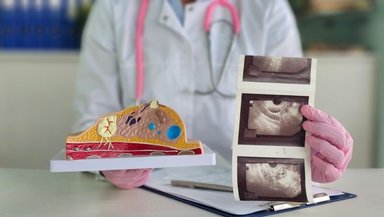
Sarcoma is a rare type of cancer that develops in the body’s supporting tissues, such as muscle, bone, fat, nerves, or connective tissue. It usually appears as a painless lump that slowly grows over time. In a few cases, discomfort takes place only when the lump presses on nearby structures. Since these early signs can be easily ignored, sarcoma may not be diagnosed.
When sarcoma is diagnosed, surgery may become important in treatment. The goal is not only to remove the tumour, but also to preserve movement and function as much as possible. At Gleneagles Hospitals, surgeons work closely with radiology, oncology, pathology, and rehabilitation teams to plan treatment, allowing both recovery and daily quality of life.
What is Sarcoma Surgery
Sarcoma surgery is the primary treatment for removing a cancerous tumour that begins in bone, muscle, fat, or other connective tissues. The aim is to remove the tumour completely, along with a margin of surrounding healthy tissue, which helps reduce the chance of the cancer returning in the same area. The approach is planned after reviewing imaging, biopsy results, and the tumour's relationship to nerves, blood vessels, and joints.
Surgeons aim to remove the tumour while preserving the person’s ability to use the arm, leg, or affected area. The goal is to keep as much natural function as the situation safely allows. If a large section of tissue or bone needs to be removed, the surgeon may rebuild the area during the same operation to provide support for healing and movement later on.
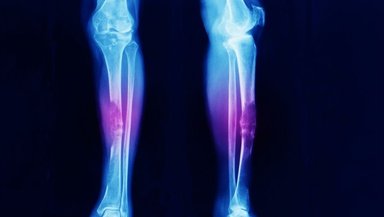
When sarcoma affects the bone or places pressure on it, surgery can also be planned to relieve pain or reduce the risk of a fracture. Stabilising the area helps a person continue basic daily activities with more comfort. There are situations where treatment such as chemotherapy or radiation is given before the operation, especially if the intention is to reduce the size of the tumour and make removal more manageable.
Why Sarcoma Surgery is Done
Doctors will consider sarcoma surgery when:
Imaging scans, biopsy, or the way the mass is progressing clearly suggest the presence of a sarcoma
- The swelling continues to grow rather than settle or remain stable.
- Movement becomes difficult, such as trouble with walking, lifting the arm, or using the limb normally.
- The lump begins to press on nearby nerves, leading to altered sensation, weakness, or unusual discomfort.
- A person can still move normally but feels a constant heaviness or dull ache.
There is deep discomfort or pressure with no clear explanation on other tests.
Additional considerations:
Size helps guide the plan, but it is not everything. A smaller tumour in a risky area can be more serious than a larger one that isn’t affecting anything.
If the cancer cannot be entirely removed, surgery may still help by easing symptoms and improving day-to-day comfort, which is meaningful to the patient.
Who is Suitable for Surgery
Even with a sarcoma diagnosis, not everyone may be suitable for sarcoma surgery. Doctors review a few practical points before recommending surgery, and the focus is on whether it can be done safely:
Can the tumour realistically be removed without leaving the person with a severe functional loss or risk to their safety?
- Is the patient’s overall health stable enough for anaesthesia and the recovery period that will follow?
Would the timing of other treatments, such as chemotherapy or radiation, make more sense before surgery rather than after, or vice versa?
Surgeons may work with the following patients for surgery:
Scans show a straightforward approach to the tumour, and primary structures can be protected.
- Age does not prevent safe anaesthesia or recovery. Many older patients manage well with proper planning.
Children with sarcoma undergo discussions with their families so that expectations and outcomes are understood.
At Gleneagles Hospitals, cases are evaluated individually, and the decision to proceed with surgery is made only when the team believes the patient can benefit safely and realistically from the procedure.
Your health matters – get expert advice today.
When Surgery is Not Advised
There are situations where doctors may wait. If the tumour involves structures that cannot be separated without serious harm, other treatments may be tried first. If the cancer has spread widely, surgery might not offer a benefit at that moment. If the person is medically unstable, the priority is to stabilise health before going to the operating room.
There are also situations where the biopsy or scan results are incomplete, and surgery would not change the decision yet. In those cases, waiting briefly to clarify results is safer than rushing.
Before Surgery
Preparation is as necessary as the operation itself.
- Scans such as MRI or CT help the surgeon see how the tumour behaves.
- Blood tests are done to ensure the body is ready.
- Medications are reviewed, especially blood thinners.
- Anaesthesia specialists examine the patient and discuss what to expect on the day of surgery.
- Patients are usually asked not to eat or drink for a few hours before admission. Smoking should be avoided.
- This improves healing and breathing during and after the operation.
The team at Gleneagles Hospitals encourages questions. An informed patient recovers better.
During the Procedure
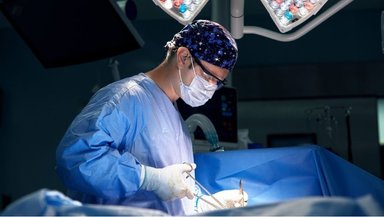
- Sarcoma surgery is usually done under general anaesthesia.
- Once the patient is asleep, the incision is made in a direction that protects muscles and the blood supply.
- The surgeon identifies the tumour and begins working around it. There may be moments during surgery where decisions are made in real time, based on what is safest.
- If the removal leaves a gap, reconstruction may be done immediately. This can be with tissue from the same area, tissue moved from a nearby region, or an implant if bone is involved. The goal is to maintain the structure, stability, and daily function of the affected limb or area.
After Surgery
- Recovery does not look the same for everyone. Some patients can sit up the same day. Others may need time before movement becomes comfortable.
- Pain is managed carefully.
- Strength slowly returns with the help of physiotherapy. If the tumour was in the leg or near a joint, walking aids may be used for a short period.
- Before discharge, the incision site is checked, and instructions are explained. Some people go home in a few days. Others may stay longer if the surgery was complex. What matters is that the body begins healing without strain.
Patients need support, guidance, and careful evaluation at every stage of the procedure and even afterwards. Gleneagles Hospital has advanced facilities and an experienced team to support the patients at every step and provide technologically advanced treatment to help patients make a full recovery.
Possible Risks and Effects
The aim is always a safe outcome, and the procedure is handled with care, but it’s essential to understand that every surgery brings its own set of possibilities.
There may be bleeding or infection in some cases.
- There may be temporary stiffness or weakness until the body adapts.
- Some people experience a fluid collection near the site that resolves with treatment.
There is a chance the tumour can return in the same spot, which is why regular check-ups matter.
Checking in with the hospital team and continuing follow-ups helps keep recovery on track and problems under control.
Benefits of Surgery
By removing the tumour, surgery aims to control the disease in the area where it started. The tissue taken out is examined to confirm the tumour type and guide future care. When symptoms like pressure or restricted movement are present, surgery may improve comfort. Even if a cure is not possible, it can still protect function and reduce complications.
Why Choose Gleneagles Hospitals for Sarcoma Treatment?
At Gleneagles, sarcoma cases are managed with a multidisciplinary team-based approach.
- Surgeons, oncologists, radiologists, and rehabilitation specialists work together to determine the most effective and safest treatment path.
- The focus is not only to remove the tumour but to consider movement, strength, comfort, and long-term function.
World-class facilities for imaging, pathology, surgery, and recovery are available within the same system, helping with planning and reducing delays.
Conclusion
Sarcoma surgery is not a single-step approach. It is part of a journey that includes understanding the tumour, planning carefully, and supporting the patient through recovery. With the correct evaluation and a team that coordinates treatment, many patients return to daily living at their own pace. At Gleneagles Hospitals, the recommendation for surgery is made only when it supports long-term benefit and when it aligns with the patient’s condition and goals.

Dr Shailesh Shrikhande
Director & Head - Surgical Oncology
MS,MD,FRCS (England)-Honorary,FRCS (Edinburgh)-Honorary,FACS-Honorary,FASA-Honorary
Dr Syed Murtuza Ahmed
Consultatant Surgical Oncologist
Explore Our Blogs
View All Pulmonology, Interventional Pulmonology and Sleep Medicine
Preparing for Your TBNA: Checklist and Tips From Pulmonologists
 Surgical Oncology
Why “Just Removing the Lump” Is Risky in Sarcoma Surgery
Frequently Asked Questions
Is sarcoma surgery painful?
Will I need other treatments after surgery?
It depends on the pathology report. Some patients may need chemotherapy or radiotherapy, while others may not. The decision is made once the final results are reviewed.
How long does recovery usually take?
Recovery time may vary among patients. Some patients return to routine activities in a few weeks, while others need longer, especially if physiotherapy or support for movement is required.
Can sarcoma come back after surgery?
Sometimes sarcoma can return, and that is why cancer patients are advised to have regular follow-up and scheduled check-ins. Early review helps catch changes sooner.
Will I be able to move the operated area normally again?
Many patients regain function over time. Movement comes back step by step, and the outcome depends on the tumour’s location and the type of surgery performed. Rehabilitation or physical therapy can be very beneficial after surgery.

