What Is a Transbronchial Lung Biopsy and Why Do Doctors Recommend It?
Medicine Made Simple Summary
A transbronchial lung biopsy is a medical procedure used to take small tissue samples from inside the lungs. Doctors recommend it when scans show lung problems that cannot be explained clearly with imaging alone. The biopsy is done through a bronchoscope, a thin tube passed through the mouth or nose, so no chest cuts are needed as part of the Transbronchial Lung Biopsy Procedure. It helps doctors diagnose infections, inflammation, scarring, or cancer. Understanding why this test is done and how it works can reduce fear and help patients and families feel more prepared.
Why Doctors Need More Than Scans to Understand Lung Problems
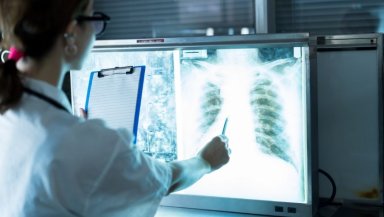
Modern scans like X-rays and CT scans are powerful tools. They can show shadows, spots, nodules, or areas of inflammation in the lungs. However, scans can only show how the lungs look, not what is actually happening at a tissue level.
Many lung conditions look similar on scans. Infection, inflammation, autoimmune disease, scarring, and cancer can all create overlapping patterns. When doctors need certainty, they must look directly at lung tissue under a microscope. This is where a transbronchial lung biopsy becomes important.
A biopsy turns images into answers.
What a Transbronchial Lung Biopsy Actually Is
A transbronchial lung biopsy, often called TBLB, is a procedure in which tiny samples of lung tissue are taken from inside the airways. The word “transbronchial” means “through the bronchial tubes,” which are the air passages inside the lungs.
The procedure is done using a bronchoscope. This is a thin, flexible tube with a camera and light at the tip. The bronchoscope is passed through the nose or mouth into the lungs. Special instruments are then guided through the scope to gently take tissue samples.
No external cuts are made on the chest.
Why Doctors Recommend a Transbronchial Lung Biopsy
Doctors recommend this biopsy when they suspect a lung condition that cannot be confidently diagnosed by scans or blood tests alone. The goal is to get a clear diagnosis so treatment can be accurate and timely, often guided by a Transbronchial Lung Biopsy Decision Guide.
Common reasons include unexplained lung shadows, persistent cough with abnormal imaging, suspected lung infections that are not improving, interstitial lung disease, sarcoidosis, and sometimes suspected cancer.
The biopsy helps answer a critical question. What exactly is affecting the lungs?
How This Biopsy Is Different From Other Lung Biopsies
Not all lung biopsies are the same. Some require needles passed through the chest wall. Others require surgery.
A transbronchial lung biopsy is less invasive than surgical lung biopsy. It uses natural airways to reach lung tissue. This makes recovery faster and reduces pain for most patients when compared in discussions of Transbronchial lung biopsy vs CT-guided biopsy.
Doctors usually choose TBLB when the area of concern is reachable through the airways and when a less invasive approach is appropriate.
Who Usually Needs a Transbronchial Lung Biopsy
Patients who are advised to undergo TBLB often fall into certain groups. These include people with long-standing cough, unexplained breathlessness, abnormal lung scans, or suspected inflammatory lung diseases.
It is also commonly used in patients who have had lung transplants, to check for rejection or infection. In some cases, it is used to rule out serious disease rather than confirm it.
Being advised this test does not automatically mean cancer.
How the Procedure Is Performed Step by Step
The procedure usually begins with local anesthesia to numb the throat and sometimes mild sedation to help relaxation. The patient remains breathing on their own.
The bronchoscope is gently guided into the lungs. The camera allows the doctor to see the airways clearly. Once the target area is reached, tiny biopsy tools are passed through the scope.
Small pieces of lung tissue are collected. These samples are sent to a laboratory for detailed examination.
The procedure usually takes less than an hour.
Is Transbronchial Lung Biopsy a Surgery
This is one of the most common misunderstandings. A transbronchial lung biopsy is not surgery.
There are no incisions. There are no stitches. The chest wall is not opened. Most patients go home the same day.
Because it is done through natural air passages, it is considered a minimally invasive diagnostic procedure.
What Patients Commonly Feel During the Procedure
Most patients do not feel pain. The numbing medicine reduces discomfort in the throat. Sedation helps reduce anxiety.
Patients may feel pressure, mild coughing, or a strange sensation as the scope moves. Breathing is monitored closely throughout.
Doctors pause if the patient feels uncomfortable. Communication during the procedure is encouraged.
What Happens After the Biopsy
After the procedure, patients are observed for a few hours. Doctors monitor breathing and oxygen levels. A chest X-ray may be done to ensure the lungs are stable.
Mild sore throat, hoarseness, or cough is common. These symptoms usually settle within a day or two.
Most people return to normal activities quickly unless advised otherwise.
Why the Tissue Sample Is So Important
The lung tissue obtained is examined by specialists who look for infection, inflammation, scarring, abnormal cells, or cancer.
This information allows doctors to decide the next step. It may confirm a diagnosis, rule out serious disease, or guide further testing.
Treatment without a diagnosis is often guesswork. A biopsy replaces guessing with clarity.
Conditions Commonly Diagnosed With This Biopsy
Transbronchial lung biopsy helps diagnose conditions such as sarcoidosis, tuberculosis, fungal infections, interstitial lung disease, drug-related lung injury, and some cancers.
In many cases, it helps rule out dangerous conditions, which can be just as reassuring as finding a cause.
Knowing what is not present is also valuable.
Why Doctors Do Not Skip Straight to Treatment
Some patients wonder why treatment cannot start without a biopsy. Treating the wrong condition can be harmful.
For example, giving steroids for inflammation when infection is present can worsen illness. Giving antibiotics when the cause is non-infectious may delay proper care.
The biopsy helps ensure treatment matches the problem.
Emotional Impact of Being Advised a Lung Biopsy
Hearing the word “biopsy” often triggers fear. Many people immediately think of cancer. This emotional response is natural.
Doctors recommend TBLB to gain clarity, not to alarm patients. In fact, many biopsies come back non-cancerous.
Understanding the purpose of the test helps reduce anxiety and builds trust.
How Families Can Support Patients
Family members can help by listening, attending appointments, and helping patients remember instructions.
Providing reassurance and avoiding worst-case assumptions is important. Staying informed helps families offer calm support rather than fear-driven reactions.
Knowledge helps everyone cope better.
Why Timing Matters
Delaying a recommended biopsy can delay diagnosis and treatment. Early clarity often leads to better outcomes.
Doctors balance urgency with safety. When TBLB is advised, it is because the benefits of knowing outweigh the small risks involved.
Timely action supports better care.
Why Understanding the Procedure Matters
Patients who understand why a transbronchial lung biopsy is recommended are more confident and less fearful.
Understanding transforms the procedure from something frightening into a logical step toward answers.
Medicine becomes manageable when explained simply.
Conclusion
If your doctor has recommended a transbronchial lung biopsy, ask why it is needed and what information it will provide. Understanding the purpose of the procedure helps you make informed decisions and approach it with confidence rather than fear.
References and Sources
Cleveland Clinic – Bronchoscopy and Lung Biopsy
American Thoracic Society – Patient Information