What Happens During an EBUS Procedure? Step-by-Step Explanation for Patients
Medicine Made Simple
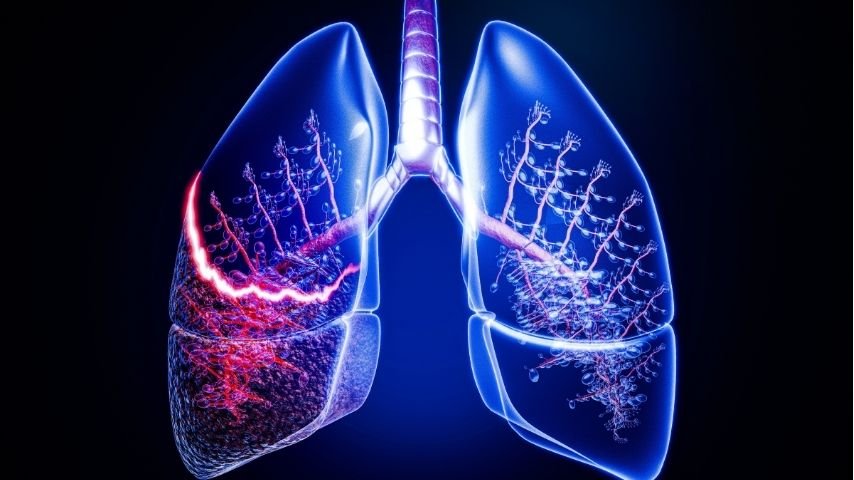
Endobronchial Ultrasound, commonly called EBUS, is a minimally invasive procedure used to examine the lungs and nearby lymph nodes. Doctors use a thin flexible tube called a bronchoscope that contains a tiny camera and an ultrasound probe. The bronchoscope is gently passed through the mouth into the airways to help doctors view structures inside and around the lungs. Using ultrasound images, doctors can guide a small needle to collect tissue samples from suspicious lymph nodes or lung lesions. These samples are examined in a laboratory to help diagnose conditions such as infections, inflammatory diseases, or lung cancer.
Why Doctors Recommend an EBUS Procedure
When a CT scan or PET scan shows abnormalities in the lungs or surrounding lymph nodes, doctors need more information to understand the cause. Imaging tests can show that something unusual is present, such as EBUS for lung nodules or enlarged lymph nodes. However, these tests cannot always determine whether the abnormality is caused by infection, inflammation, or cancer.
To make a definite diagnosis, doctors need to examine cells from the abnormal area under a microscope.
This is why a biopsy is often required. EBUS is one of the safest and most effective ways to obtain tissue samples from lymph nodes and structures located deep within the chest.
The procedure allows doctors to collect these samples without performing open chest surgery.
Suggested Image: Diagram showing lungs with surrounding lymph nodes.
Understanding the Equipment Used in EBUS
The main instrument used during the procedure is a bronchoscope. This is a thin flexible tube that contains a camera and light.
The bronchoscope used for EBUS also includes a tiny ultrasound probe attached to its tip.
The camera allows the doctor to view the inside of the airways, while the ultrasound probe produces images of tissues located beyond the airway walls.
These tissues include lymph nodes and other structures located around the lungs.
A small needle is also passed through the bronchoscope when tissue samples need to be collected.
Suggested Image: Illustration showing bronchoscope with ultrasound probe.
Preparing for the EBUS Procedure
Before the procedure, patients receive instructions from their healthcare team.
Doctors usually advise patients not to eat or drink for several hours before the test. This helps reduce the risk of nausea or complications during sedation.
Patients should inform their doctor about any medications they are taking, especially blood thinners or medications that affect bleeding.
In some cases, these medications may need to be temporarily stopped before the procedure.
Because sedation is often used, patients are usually asked to arrange transportation home after the test.
Suggested Image: Illustration showing patient preparation before procedure.
Step 1: Arrival at the Procedure Area
On the day of the procedure, patients typically arrive at a hospital or specialized procedure center.
Medical staff review the patient’s medical history and confirm that all necessary preparations have been completed.
Vital signs such as blood pressure, heart rate, and oxygen levels are checked.
An intravenous line may be placed in the arm to allow medications to be given during the procedure.
These preparations help ensure that the procedure can be performed safely.
Step 2: Sedation and Comfort Measures
Before the bronchoscope is inserted, doctors administer sedation or anesthesia to keep the patient comfortable.
The throat is usually sprayed with a numbing medication. This reduces the gag reflex and helps make the insertion of the bronchoscope easier.
Sedation helps patients relax and may cause them to feel sleepy. Many patients remember little about EBUS Pain after the procedure.
Throughout the procedure, medical staff monitor the patient’s breathing, heart rate, and oxygen levels.
Step 3: Inserting the Bronchoscope
Once the patient is comfortable, the doctor gently inserts the bronchoscope through the mouth or nose and into the windpipe.
The bronchoscope is then guided into the branching airways of the lungs.
The tiny camera at the tip of the bronchoscope sends images to a monitor. This allows the doctor to carefully examine the airways for any abnormalities.
Because the bronchoscope is flexible and relatively thin, it can move through the airways without causing significant discomfort.
Suggested Image: Diagram showing bronchoscope entering airway.
Step 4: Using Ultrasound to Locate Lymph Nodes
After examining the airways, the doctor activates the ultrasound probe attached to the bronchoscope.
The ultrasound probe produces sound waves that create images of structures located outside the airway walls.
These images appear on a monitor and allow the doctor to see lymph nodes and tissues surrounding the lungs.
Enlarged or suspicious lymph nodes can be identified using these ultrasound images.
This step is important because it helps guide the biopsy needle to the correct location.
Suggested Image: Ultrasound image of lymph nodes during EBUS.
Step 5: Collecting Tissue Samples
Once the abnormal lymph node or tissue is located, the doctor inserts a very thin needle through the bronchoscope.
The needle passes through the airway wall and into the lymph node or suspicious tissue.
Small samples of cells are then collected using gentle suction.
Several samples may be taken to ensure that enough tissue is available for laboratory analysis.
These samples are placed in special containers and sent to a pathology laboratory for examination.
Suggested Image: Illustration showing needle biopsy during EBUS.
Step 6: Completing the Procedure
After the necessary samples have been collected, the bronchoscope is carefully removed.
The entire procedure usually takes between thirty minutes and one hour, depending on how many lymph nodes or areas need to be examined.
Because the procedure does not involve surgical incisions, the EBUS recovery time is usually quick.
Patients are moved to a recovery area where medical staff monitor them until the sedation wears off.
Suggested Image: Illustration showing recovery room monitoring.
What Patients May Feel After the Procedure
After the procedure, some patients experience mild throat soreness or hoarseness.
These symptoms are usually temporary and improve within a day or two.
A mild cough may also occur because the bronchoscope passes through the airways.
Doctors usually recommend resting for the remainder of the day after the procedure.
Most patients can return to normal activities the following day.
When Biopsy Results Become Available
The tissue samples collected during EBUS are examined by pathologists in a laboratory.
Specialists analyze the cells under a microscope to determine whether cancer cells, infection, or inflammatory changes are present. EBUS accuracy for lung cancer remains a primary reason for using this diagnostic method.
In some cases, additional laboratory tests may be performed to identify specific types of cancer or genetic markers.
Results are usually available within several days.
Once the results are ready, the doctor discusses the findings and possible treatment options with the patient.
Why EBUS Is an Important Diagnostic Tool
EBUS has significantly improved the way doctors diagnose lung diseases.
The procedure allows doctors to examine lymph nodes and collect tissue samples without performing major surgery.
Because it is minimally invasive, patients usually experience less discomfort and recover quickly.
EBUS is particularly valuable for diagnosing and staging lung cancer, as it helps determine whether cancer has spread to nearby lymph nodes.
This information helps doctors plan the most appropriate treatment.
Suggested Image: Diagnostic pathway illustration from CT scan to biopsy.
Conclusion
If a CT scan or imaging test has revealed lung nodules or enlarged lymph nodes, discussing diagnostic options with a lung specialist can help determine the next steps. Procedures such as Endobronchial Ultrasound provide valuable information that helps doctors accurately diagnose lung conditions and guide treatment decisions.