Understanding Medical Thoracoscopy: What It Is and Why Adhesiolysis Is Done
Medicine Made Simple Summary
Medical thoracoscopy is a minimally invasive procedure that allows doctors to look inside the chest space around the lungs using a small camera. It is done to find the cause of chest fluid, take tissue samples, and treat certain lung conditions, including Thoracoscopy for Loculated Pleural Effusion. Sometimes, bands of scar tissue called pleural adhesions form and trap the lung. Adhesiolysis is the process of gently breaking these bands during thoracoscopy to help the lung expand again.
Understanding the Space Around the Lungs
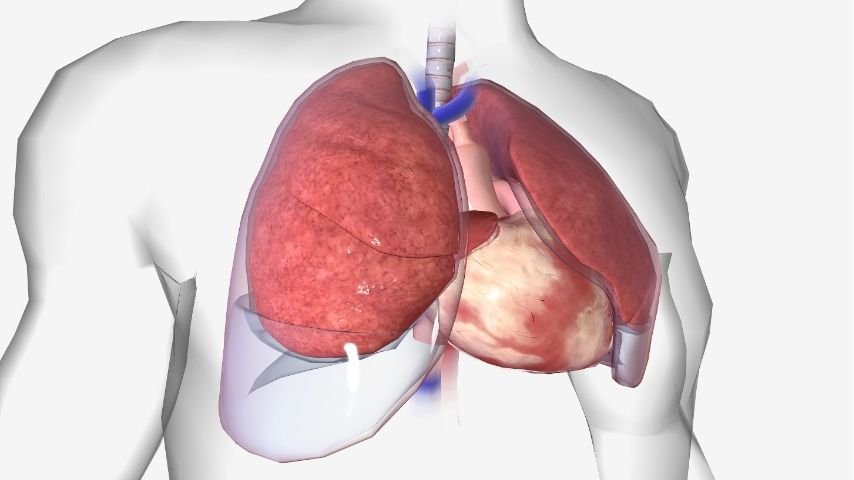
The lungs sit inside the chest cavity. Each lung is covered by a thin protective lining called the pleura. Another pleural layer lines the inside of the chest wall. Between these two layers is a small space containing a tiny amount of fluid. This fluid allows the lungs to move smoothly while breathing.
Sometimes this pleural space becomes abnormal. Extra fluid may collect. Infection may develop. Inflammation may occur. Scar tissue may form. When this happens, breathing becomes difficult and doctors need to look inside this space to understand what is wrong.
This is where medical thoracoscopy becomes useful.
What Is Medical Thoracoscopy in Simple Terms
Medical thoracoscopy, also known as pleuroscopy, is a procedure that allows doctors to look directly into the pleural space using a thin camera. A small cut is made between the ribs. A narrow tube containing a camera is inserted through this opening. The doctor can then see the lung surface and chest wall lining on a screen.
Through the same opening, doctors can remove chest fluid, take tissue samples, and perform small treatments. One such treatment is adhesiolysis.
Medical thoracoscopy is less invasive than major lung surgery. It usually requires local anesthesia and mild sedation rather than full general anesthesia. This makes it suitable even for patients who are not strong candidates for major surgery.
Why Doctors Recommend Medical Thoracoscopy
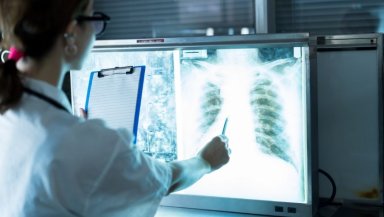
Doctors recommend medical thoracoscopy when they need clear answers about pleural disease. Chest scans such as X-rays and CT scans show abnormalities, but they cannot always identify the exact cause. Needle sampling may sometimes fail to collect enough tissue.
Medical thoracoscopy solves this problem by allowing doctors to see the pleura directly and take precise biopsies. This improves diagnostic accuracy for conditions such as unexplained pleural effusion, tuberculosis, pleural infections, and pleural cancers.
In addition to diagnosis, thoracoscopy can also treat certain conditions in the same session. Adhesiolysis is one of the most important therapeutic uses.
Understanding Pleural Adhesions
Pleural adhesions are bands of scar tissue that form between the lung surface and the chest wall lining. They usually develop after infections, tuberculosis, long-standing pleural fluid, inflammation, or previous chest procedures.
Over time, these bands become firm and fibrous. They can restrict lung movement and prevent the lung from fully expanding. This may cause breathlessness, chest heaviness, and persistent pleural fluid that does not drain easily.
Patients cannot feel pleural adhesions from outside. Their presence is usually suspected from scans and confirmed during thoracoscopy.
What Is Adhesiolysis and Why It Is Done
Adhesiolysis means breaking or releasing pleural adhesions. During medical thoracoscopy, the doctor can directly see these scar bands. Using fine instruments passed through the same small incision, the adhesions are gently separated as part of Adhesiolysis via Medical Thoracoscopy.
The purpose of adhesiolysis is to free the lung so it can expand normally again. It also allows trapped pockets of fluid to drain properly. This can improve breathing, reduce repeated fluid accumulation, and make future treatments more effective.
Because the doctor works under direct camera vision, adhesiolysis is precise and controlled.
How Medical Thoracoscopy With Adhesiolysis Is Performed
Before the procedure, patients undergo scans and routine blood tests. The doctor explains the procedure and answers questions, often sharing thoracoscopy preparation tips for patients to help them feel ready.
On the day of the procedure, the patient lies on one side. Local anesthesia numbs the chest wall. Mild sedation keeps the patient relaxed. A small incision is made between the ribs. The thoracoscope is inserted into the pleural space.
Fluid is drained if present. The pleural surfaces are carefully examined. Biopsies are taken if required. If adhesions are seen, special instruments are introduced to divide them gently.
At the end of the procedure, a chest tube is placed to continue draining fluid and keep the lung expanded. The skin opening is closed with simple stitches.
What Patients Experience During the Procedure
Patients do not feel sharp pain because the area is numbed. They may feel mild pressure or movement. Sedation keeps them calm and drowsy. Many patients remember little of the procedure afterward.
The procedure usually lasts between thirty minutes and one hour, depending on findings.
Recovery After Thoracoscopy and Adhesiolysis
Recovery is usually faster than traditional lung surgery. Patients remain in the hospital for one to three days. The chest tube stays in place until drainage reduces and the lung remains expanded.
Mild chest soreness is common and controlled with pain medication. Breathing exercises are encouraged. Most patients return to light daily activities within a few days after discharge.
Follow-up visits are arranged to discuss biopsy results and assess lung expansion.
Safety of Medical Thoracoscopy
Medical thoracoscopy is a well-established and safe procedure when performed by trained specialists. Complications are uncommon. Possible risks include infection, mild bleeding, air leaks, or temporary fever. These are monitored during hospital stay.
Doctors assess each patient’s overall health before recommending the procedure to ensure safety.
How This Procedure Helps Long-Term Treatment
Medical thoracoscopy provides accurate diagnosis in pleural diseases. Adhesiolysis improves lung expansion and fluid drainage. Together, these help doctors plan correct treatment and reduce repeated hospital visits for chest fluid removal.
In many cases, this procedure avoids the need for more invasive surgery.
Conclusion
If you or a loved one has been advised medical thoracoscopy for chest fluid, pleural disease, or trapped lung, ask your doctor to explain how adhesiolysis may help your condition. Understanding the procedure leads to confident decisions. Book a consultation with an interventional pulmonology or thoracic specialist to discuss whether medical thoracoscopy is right for you.
References and Sources
American Thoracic Society – Medical Thoracoscopy (Pleuroscopy)
European Respiratory Society – Guidelines on Medical Thoracoscopy
British Thoracic Society – Pleural Disease Guidelines
Peer-reviewed literature on medical thoracoscopy and adhesiolysis