Success Rates and Diagnostic Accuracy of EBUS-TBNA: What the Studies Show
Medicine Made Simple Summary
EBUS-TBNA is one of the most accurate and reliable tests for diagnosing diseases that affect lymph nodes and masses inside the chest. It uses ultrasound guidance to collect tissue samples through the airways without surgery as part of an advanced EBUS TBNA Procedure. Medical studies show that EBUS-TBNA correctly identifies lung cancer, tuberculosis, sarcoidosis, and other chest conditions in most patients. It also helps doctors stage lung cancer accurately. Because of its high success rate, safety, and quick recovery, EBUS-TBNA has become the preferred first test for chest lymph node diagnosis worldwide.
When doctors recommend a biopsy, patients often ask an important question. Will this test really give a clear answer? No one wants to go through a medical procedure only to hear that the results were “inconclusive.” This is why understanding the accuracy of EBUS-TBNA matters.
EBUS-TBNA has become a standard diagnostic tool across the world. But what makes it so trusted? How often does it actually give the right diagnosis? What do medical studies say about its success rate? This article explains these answers in simple language, without medical jargon, so patients and families can feel confident about the test and understand aspects related to TBNA Risks and Safety.
Why Accuracy Matters in Diagnostic Tests
A diagnostic test has one main job. To tell the doctor what condition is present. If a test is inaccurate, it can lead to delayed treatment, unnecessary surgery, or wrong medication.
For chest diseases, accuracy is especially important. Conditions like lung cancer, tuberculosis, and sarcoidosis can look similar on scans. Treating the wrong condition can cause harm. This is why tissue diagnosis is considered the gold standard. Among tissue tests, EBUS-TBNA has gained a strong reputation for delivering reliable answers.
What Makes EBUS-TBNA More Accurate Than Older Methods
Traditional TBNA relied on the doctor’s experience and knowledge of chest anatomy. The lymph nodes could not be seen directly during sampling. This sometimes led to samples being taken from the wrong area or insufficient tissue collection.
EBUS-TBNA changed this completely. Ultrasound at the bronchoscope tip shows lymph nodes in real time. The doctor sees the target, guides the needle accurately, and confirms the needle is inside the lymph node before collecting samples. This visual guidance greatly improves the chance of getting the right tissue on the first attempt.
Better targeting leads to better samples. Better samples lead to more accurate results.
Understanding “Success Rate” in Simple Terms
When studies talk about success rate or diagnostic accuracy, they usually mean how often the test correctly identifies the disease.
If 100 patients undergo EBUS-TBNA and 90 of them receive a correct diagnosis confirmed by further testing or treatment response, the success rate is 90 percent.
High success rates mean fewer repeat procedures, less waiting, and faster treatment decisions.
What Medical Studies Show About EBUS-TBNA Accuracy
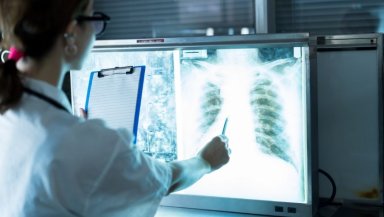
Large international studies have evaluated EBUS-TBNA across thousands of patients. These studies consistently show high accuracy for chest lymph node diseases.
For lung cancer diagnosis and staging, most studies report accuracy rates above 85 to 90 percent. This means that in the majority of patients, EBUS-TBNA correctly identifies whether lymph nodes contain cancer cells.
For tuberculosis affecting chest lymph nodes, studies show high diagnostic yield, especially when combined with laboratory tests for tuberculosis bacteria.
For sarcoidosis, EBUS-TBNA has also shown strong accuracy, often avoiding the need for surgical biopsies.
For lymphoma, results are good, though in some cases doctors may still need larger tissue samples. Even then, EBUS-TBNA usually provides the first important clue.
Across conditions, the overall message from medical research is clear. EBUS-TBNA is highly reliable for diagnosing diseases inside the chest.
How EBUS-TBNA Helps in Lung Cancer Staging
In lung cancer, accuracy is not only about diagnosis. It is also about staging. Staging means checking whether cancer has spread to lymph nodes inside the chest. This decides whether surgery is possible or whether other treatments are needed.
EBUS-TBNA allows doctors to sample multiple lymph node groups during one procedure. Studies show that EBUS-TBNA staging accuracy is comparable to surgical staging methods that were used earlier. This is a major reason why EBUS-TBNA has replaced mediastinoscopy in many hospitals.
Accurate staging prevents unnecessary lung surgery in patients whose cancer has already spread. This protects patients from major operations that would not help.
Does Accuracy Depend on Doctor Experience?
Like all medical procedures, experience matters. Studies show that EBUS-TBNA performed by trained specialists in well-equipped centers has the highest success rates.
This is why hospitals invest in training pulmonologists for EBUS procedures. When performed by skilled teams, the chance of getting an accurate diagnosis on the first attempt is very high.
For patients, this means choosing a center with experience in EBUS-TBNA can improve confidence in the test.
Why Some TBNA Results Can Be Negative
Sometimes an EBUS-TBNA result comes back as “no abnormal cells seen.” This can mean two things. Either the lymph node truly has no disease, or the sample did not capture the diseased area.
Medical studies show that ultrasound guidance greatly reduces sampling errors. However, no test in medicine is 100 percent perfect. If suspicion remains high after a negative result, doctors may repeat the test or advise another biopsy method based on careful TBNA Results Interpretation.
The good news is that repeat procedures are much less common with EBUS-TBNA compared to older TBNA methods.
How Many Samples Are Taken and Why It Matters
Studies also show that taking multiple samples from each lymph node improves accuracy. During EBUS-TBNA, doctors usually take several passes with the needle. This increases the chance of collecting enough cells for testing.
Modern practice standards around the world follow these evidence-based techniques. This is another reason for the consistently high success rates reported in research.
Comparing EBUS-TBNA With Surgical Biopsy Accuracy
Surgical mediastinoscopy was once considered the gold standard for chest lymph node diagnosis. It provides large tissue samples and high accuracy. However, it requires general anesthesia and surgery.
Studies comparing EBUS-TBNA with mediastinoscopy show that EBUS-TBNA has similar diagnostic accuracy in many situations. This means patients can get nearly the same diagnostic reliability without surgery, cuts, or hospital stays when proper TBNA Preparation and technique are followed.
This evidence has led international medical guidelines to recommend EBUS-TBNA as the first-line test for mediastinal lymph node sampling.
Accuracy in Tuberculosis and Infections
In regions where tuberculosis is common, EBUS-TBNA has proven extremely useful. Studies show that combining EBUS-TBNA samples with modern laboratory testing can detect tuberculosis even when sputum tests are negative.
This leads to faster diagnosis and earlier treatment. Early treatment prevents spread of infection to others and reduces complications in the patient.
Accuracy in Sarcoidosis
Sarcoidosis often mimics tuberculosis or cancer on scans. Studies show that EBUS-TBNA can correctly diagnose sarcoidosis in most patients with enlarged chest lymph nodes. This prevents patients from receiving unnecessary tuberculosis or cancer treatment.
What This Means for Patients
When a doctor recommends EBUS-TBNA, it is usually because this test offers the best balance of safety and accuracy. High success rates mean that most patients get a clear answer after a single procedure.
This reduces emotional stress, repeated hospital visits, and delays in treatment planning.
Understanding that EBUS-TBNA is backed by strong medical research can help patients feel more confident and less fearful about undergoing the test.
Common Patient Questions About Accuracy
- Is EBUS-TBNA always correct?
No test is perfect, but EBUS-TBNA is among the most accurate minimally invasive tests for chest diseases. - Will I need the test again if results are unclear?
Sometimes repeat sampling is needed, but this is less common with EBUS-TBNA than older methods. - Does a negative result mean I am disease-free?
Often yes, but your doctor will interpret results along with scan findings and symptoms before giving final advice.
Why Medical Guidelines Trust EBUS-TBNA
International respiratory and cancer societies regularly review research studies. Based on strong evidence, they recommend EBUS-TBNA as the preferred first test for mediastinal lymph node diagnosis and lung cancer staging.
This means doctors are not choosing this test based on opinion. They are following proven scientific evidence.
Conclusion
If you have been advised to undergo EBUS-TBNA, remember that this test is widely trusted because of its high diagnostic accuracy. Ask your doctor how the results will guide your next steps in treatment. Understanding the reliability of this procedure can reduce fear and help you feel more confident in moving forward. Early and accurate diagnosis is one of the most powerful tools in achieving better health outcomes.
References and Sources
American Thoracic Society – Bronchoscopy and EBUS patient guidance
European Respiratory Society – Evidence-based guidelines on EBUS-TBNA
National Cancer Institute – Lung cancer diagnosis and staging
Patient.info – Endobronchial ultrasound-guided TBNA overview
PubMed – Clinical studies on diagnostic yield and accuracy of EBUS-TBNA