Sarcoidosis, Lymphoma, or Infection? Why Mediastinal Lymph Nodes Need Tissue Diagnosis

Medicine Made Simple
Mediastinal lymph nodes are small glands located in the central part of the chest between the lungs. These lymph nodes are part of the immune system and help the body fight infections and detect abnormal cells. Sometimes a CT scan shows that these lymph nodes are enlarged. Enlarged mediastinal lymph nodes can occur for several reasons, including infections, inflammatory diseases such as sarcoidosis, or cancers such as lymphoma or lung cancer. Imaging tests can identify enlarged lymph nodes but cannot always determine the exact cause. Doctors often recommend a biopsy to obtain a tissue sample so the cells can be examined under a microscope. This helps confirm the diagnosis and guides the correct treatment.
Understanding Mediastinal Lymph Nodes
Inside the chest, between the two lungs, lies a central space known as the mediastinum. This area contains several important structures that support breathing and circulation. These include:
- The heart
- Major blood vessels
- The windpipe or trachea
- The esophagus
- Nerves
- Multiple groups of lymph nodes
Lymph nodes are small bean-shaped structures that form part of the lymphatic system. The lymphatic system works closely with the immune system to protect the body from infection and disease. These nodes act as filters that trap harmful substances such as bacteria, viruses, and abnormal cells.
When lymph nodes detect something unusual, the immune system becomes active. The nodes may enlarge because immune cells multiply to fight infection or inflammation. This enlargement is often temporary and may return to normal once the body resolves the problem.
However, when enlarged lymph nodes are seen in the mediastinum on imaging tests, doctors often investigate further because this area is closely connected to the lungs and other vital structures.
Why Mediastinal Lymph Nodes Become Enlarged
There are several reasons why mediastinal lymph nodes may enlarge. In many cases, enlargement is the body’s normal response to infection or inflammation.
Some of the most common causes include infections, inflammatory diseases, and certain cancers.
Infections
Infections are one of the most frequent causes of lymph node enlargement. When microorganisms such as bacteria, viruses, or fungi enter the body, lymph nodes help filter and destroy them.
Certain infections that commonly affect mediastinal lymph nodes include:
- Tuberculosis
- Fungal infections such as histoplasmosis
- Viral infections affecting the lungs
- Bacterial lung infections
During infection, lymph nodes become active and may enlarge as the immune system fights the invading organisms.
Sarcoidosis
Sarcoidosis is an inflammatory disease that causes clusters of immune cells to form in different organs. These clusters are called granulomas.
The lungs and mediastinal lymph nodes are commonly affected in sarcoidosis. Patients may develop enlarged lymph nodes on both sides of the chest, which can often be seen on CT scans.
Sarcoidosis is not a cancer. However, its symptoms and imaging findings may sometimes resemble other diseases, which is why further testing is often needed.
Lymphoma
Lymphoma is a type of cancer that originates in lymphatic tissue. Because lymph nodes are part of the lymphatic system, lymphoma often causes them to enlarge.
There are two main categories of lymphoma: Hodgkin lymphoma and non-Hodgkin lymphoma.
In many cases, lymphoma affects lymph nodes in the chest, including those located in the mediastinum. Detecting lymphoma early is important because treatment can be very effective.
Spread of Lung Cancer
Lung cancer can sometimes spread to nearby lymph nodes in the mediastinum. Doctors often evaluate mediastinal lymph nodes when staging lung cancer because their involvement may influence treatment decisions.
Because several different diseases can produce enlarged lymph nodes, doctors must determine the exact cause before recommending treatment.
Suggested image: Illustration showing enlarged mediastinal lymph nodes.
Why Imaging Alone Cannot Provide the Full Answer
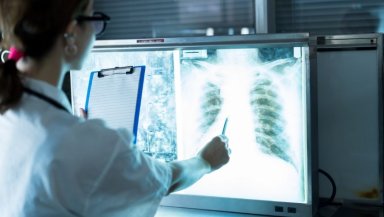
CT scans and PET scans are valuable tools for identifying abnormalities inside the chest. These imaging tests can detect enlarged lymph nodes, masses, or areas of inflammation.
However, imaging has limitations.
A CT scan can show:
- The size of lymph nodes
- Their location in the chest
- Whether multiple nodes are enlarged
A PET scan can show areas where cells are more metabolically active. Increased activity may suggest inflammation or cancer.
Despite these capabilities, imaging cannot determine the exact type of cells inside the lymph node. Several diseases may appear very similar on imaging studies.
For example, lymph nodes enlarged due to sarcoidosis may look similar to nodes enlarged due to lymphoma or infection. Because treatment for these conditions is very different, doctors need a way to examine the tissue itself.
This is why tissue diagnosis becomes essential.
Suggested image: CT scan image highlighting mediastinal lymph nodes.
What Tissue Diagnosis Means
A tissue diagnosis means obtaining a sample of tissue from the lymph node and examining it under a microscope.
This process allows pathologists to study:
- The type of cells present
- Whether inflammation is present
- Whether cancer cells are present
- The structure of the lymph node
The microscopic appearance of the tissue provides valuable clues that help doctors determine the exact cause of lymph node enlargement.
Without tissue diagnosis, doctors may not be able to confidently distinguish between different diseases.
How Doctors Obtain Tissue From Mediastinal Lymph Nodes
Modern medicine offers minimally invasive techniques that allow doctors to obtain tissue samples safely.
One of the most commonly used procedures is endobronchial ultrasound-guided biopsy, also known as EBUS.
During EBUS, a bronchoscope is inserted through the mouth or nose and guided into the airways. The bronchoscope contains a small ultrasound probe that helps doctors visualize lymph nodes located just outside the airway walls.
Once the lymph node is identified, a thin needle is passed through the bronchoscope and into the node. Small samples of tissue are collected and sent to the laboratory for analysis. In some specialized centers, doctors may also perform mediastinal cryobiopsy, which uses a cryoprobe to freeze and remove slightly larger tissue samples. When comparing ebus vs mediastinal cryobiopsy, the latter may offer advantages for specific diagnoses. Larger samples may sometimes improve the mediastinal cryobiopsy accuracy for certain diseases.
Why Tissue Diagnosis Is So Important
Determining the exact cause of enlarged mediastinal lymph nodes is essential because treatment differs greatly depending on the diagnosis.
For example:
- Infections may require antibiotics or antifungal medications
- Sarcoidosis may require medications that reduce inflammation or suppress the immune system
- Lymphoma requires specialized cancer treatments such as chemotherapy or targeted therapy
- Lung cancer spread may influence whether surgery, chemotherapy, or radiation therapy is recommended
Without tissue diagnosis, doctors may not be able to choose the most appropriate treatment.
Accurate diagnosis allows patients to begin the correct therapy as early as possible.
What Patients May Experience During the Biopsy
Many patients feel anxious when they hear that a biopsy is needed. However, modern procedures such as EBUS are designed to be minimally invasive and comfortable.
Before the procedure, patients receive sedation to help them relax. Local anesthetic is used to numb the throat and airway.
During the procedure:
- The bronchoscope is gently inserted into the airway
- Most patients feel little or no pain
The procedure typically takes between 30 and 60 minutes. Before starting, your doctor will discuss potential mediastinal cryobiopsy risks to ensure you are fully informed. Afterward, patients are monitored for a short time before going home. Recovery is usually quick, and normal activities can often be resumed within a day. Suggested image: Bronchoscopy procedure room setup.
Conclusion
Enlarged mediastinal lymph nodes can occur for many reasons, including infections, inflammatory diseases such as sarcoidosis, and cancers such as lymphoma or lung cancer. Imaging tests such as CT scans can detect these enlarged nodes but cannot always determine the exact cause.
Tissue diagnosis allows doctors to examine the cells inside the lymph node and identify the underlying disease. Procedures such as EBUS biopsy and mediastinal cryobiopsy provide safe and minimally invasive ways to obtain these tissue samples.
If your CT scan shows enlarged mediastinal lymph nodes, discussing further evaluation with a pulmonologist or interventional pulmonology specialist can help determine the cause and guide the most appropriate treatment plan.