Lung Nodules Explained: Why Doctors Sometimes Recommend a Biopsy
Medicine Made Simple
A lung nodule is a small spot that appears in the lung during imaging tests such as a CT scan. Many lung nodules are harmless and may occur due to past infections, inflammation, or scar tissue. However, because some lung cancers can also appear as nodules, doctors carefully evaluate these findings. In certain situations, doctors recommend a biopsy to collect a small sample of tissue from the nodule. Examining this tissue under a microscope helps determine whether the nodule is benign or cancerous. Understanding why doctors sometimes recommend a biopsy can help patients feel more informed and less anxious about the diagnostic process.
Understanding What a Lung Nodule Is
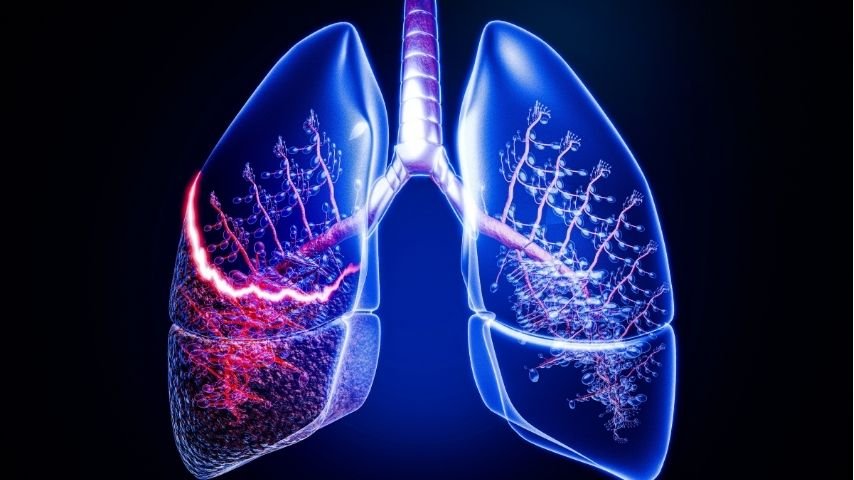
The lungs are complex organs made up of airways, air sacs, blood vessels, and delicate tissues that help the body absorb oxygen and remove carbon dioxide. When doctors review imaging tests such as CT scans, they carefully examine these structures for any abnormalities.
A lung nodule is a small round or oval area that appears different from the surrounding lung tissue on imaging. These nodules are usually small, often measuring less than three centimeters in diameter. If the abnormality is larger than this, doctors may refer to it as a lung mass instead of a nodule.
Many lung nodules are discovered unexpectedly during imaging performed for other reasons. A patient might undergo a CT scan because of a persistent cough, chest discomfort, or as part of a routine screening program. During the scan, a small nodule may appear that was previously unknown.
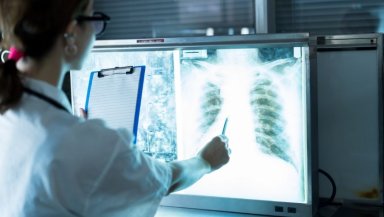
Suggested image: CT scan showing a small lung nodule highlighted in the lung.
Why Lung Nodules Are More Commonly Detected Today
Advances in medical imaging have significantly improved the ability to detect small abnormalities in the lungs. Modern CT scanners produce highly detailed images that allow doctors to identify very small nodules that might not have been visible on older imaging tests.
As CT scans are now widely used in hospitals and screening programs, doctors are detecting lung nodules more frequently than before. Studies suggest that a large percentage of adults undergoing chest CT scans may have at least one lung nodule detected.
Although this may sound alarming, most of these nodules are not cancerous. Many are harmless findings that require only monitoring.
Common Causes of Lung Nodules That Are Not Cancer
The majority of lung nodules are benign. This means they are not cancer and often do not require treatment. Several conditions can cause benign nodules in the lungs.
Past infections are one of the most common causes. When the body fights infections such as tuberculosis or fungal infections, the immune system may leave small areas of scar tissue behind. These scars can appear as nodules on imaging studies.
Inflammatory conditions can also produce nodules. Diseases such as sarcoidosis cause clusters of immune cells to form in the lungs and lymph nodes, which may appear as nodules on CT scans.
Another possible cause is benign tumors. Some nodules are made of normal lung tissue that has grown in an unusual way. These non-cancerous tumors, known as hamartomas, often remain stable and harmless.
Environmental exposure to dust, smoke, or other irritants may also contribute to the development of nodules in certain individuals.
Suggested image: Illustration comparing benign lung nodule and normal lung tissue.
Why Doctors Carefully Evaluate Lung Nodules
Although many lung nodules are benign, doctors must carefully evaluate each finding because early lung cancer can sometimes appear as a small nodule. Identifying cancer at an early stage greatly improves the chances of successful treatment and supports accurate Lung Nodule Diagnosis.
When a nodule is detected, doctors study several characteristics on the CT scan. These features help estimate whether the nodule is likely to be benign or whether it requires further investigation.
Important characteristics doctors consider include the size of the nodule, its shape, and its edges. Nodules with smooth, well-defined borders are more likely to be benign. Nodules with irregular or spiky edges may require closer evaluation.
Doctors also look at how dense the nodule appears on imaging and whether it contains calcium deposits, which can sometimes indicate a healed infection.
The Role of Patient History in Evaluating Nodules
A patient’s medical history also plays an important role in evaluating lung nodules. Doctors consider several factors when determining the risk associated with a nodule.
These factors may include age, smoking history, family history of lung cancer, and exposure to environmental toxins such as asbestos or air pollution.
For example, a small nodule detected in a young non-smoker with no risk factors may have a very low probability of being cancer. In contrast, a larger nodule in an older patient with a history of smoking may require more detailed evaluation.
Suggested image: Diagram illustrating risk factors for lung nodules.
When Monitoring Is Enough
In many cases, doctors do not recommend immediate biopsy when a lung nodule is detected. Instead, they may suggest monitoring the nodule with follow-up CT scans over time, based on appropriate Lung Nodule Biopsy Timing.
This approach is called surveillance. The goal is to observe whether the nodule changes in size or appearance. Benign nodules usually remain stable for long periods, while cancerous nodules may grow over time.
Follow-up imaging may be scheduled at specific intervals such as three months, six months, or one year depending on the characteristics of the nodule. If the nodule remains unchanged over several scans, doctors may conclude that it is benign.
Why a Biopsy May Sometimes Be Recommended
In some situations, imaging and monitoring alone may not provide enough information to determine the cause of a lung nodule. When this happens, doctors may recommend a biopsy as part of Lung Nodule Biopsy Options.
A biopsy involves removing a small piece of tissue from the nodule so it can be examined under a microscope. Pathologists analyze the cells in the tissue sample to determine whether they are normal, inflammatory, or cancerous.
Several factors may lead doctors to recommend a biopsy.
These may include nodules that are larger in size, nodules that grow over time, nodules with irregular shapes, or nodules found in patients with higher risk factors for lung cancer.
Suggested image: Illustration showing biopsy sampling of a lung nodule.
Different Methods Used to Perform Lung Nodule Biopsy
There are several techniques doctors may use to obtain a tissue sample from a lung nodule. The choice of method depends on the location of the nodule and the patient’s overall health.
One common method is bronchoscopic lung biopsy. In this procedure, a thin flexible tube called a bronchoscope is inserted through the nose or mouth and guided through the airways into the lungs. Special tools passed through the bronchoscope can collect tissue samples from the nodule.
Another method is CT-guided needle biopsy, where a needle is inserted through the chest wall into the lung using CT imaging for guidance.
In certain cases, surgery may be required if the nodule cannot be safely reached using minimally invasive techniques.
What Happens After a Biopsy
Once the tissue sample is collected, it is sent to a pathology laboratory. Pathologists examine the sample using microscopes and specialized tests to identify the type of cells present.
The results help doctors determine the cause of the nodule and plan the appropriate treatment.
If the biopsy confirms that the nodule is benign, patients may only require periodic monitoring. If cancer is detected, doctors can begin treatment early when it is most effective.
Suggested image: Pathologist examining lung biopsy tissue under microscope.
Conclusion
Finding a lung nodule on a CT scan is common and often does not mean cancer. Many nodules develop due to infections, inflammation, or benign growths. However, because some lung cancers can appear as nodules, doctors carefully evaluate each finding.
In many cases, monitoring with follow-up scans is enough to confirm that a nodule is harmless. When imaging results remain uncertain or when the nodule shows concerning features, a biopsy may be recommended to obtain a clear diagnosis.
If a lung nodule has been detected on your CT scan, discussing the findings with a pulmonologist can help you understand the evaluation process and determine whether monitoring or biopsy is the best next step.