Can Endobronchial Ultrasound (EBUS) Detect Lung Cancer Early? Understanding Its Role in Diagnosis
Medicine Made Simple
Endobronchial Ultrasound (EBUS) is a minimally invasive procedure used to examine the lungs and nearby lymph nodes without surgery. It combines bronchoscopy with ultrasound imaging to locate abnormal areas and guide a needle biopsy.
While EBUS does not detect lung cancer on its own like a CT scan, it plays a key role in confirming whether cancer is present and determining how far it has spread. By collecting tissue samples, EBUS helps doctors make an accurate diagnosis and plan the most appropriate treatment.
Why Early Detection of Lung Cancer Is Important
Lung cancer often develops silently, with symptoms appearing only in later stages. This makes early detection especially important.
When diagnosed early, treatment options are broader and outcomes are generally better. Many lung cancers are now found during CT scans done for other reasons, often as small nodules or enlarged lymph nodes.
Once these abnormalities are identified, further testing is needed to confirm whether cancer is present.
How Lung Cancer Is Usually Detected
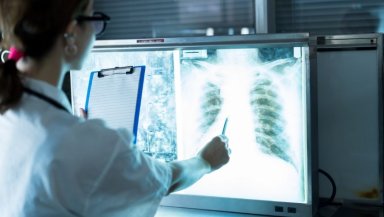
Diagnosis usually begins with imaging tests.
- Chest X-ray: Often the first step when symptoms appear
- CT scan: Provides more detailed images and can detect small nodules or enlarged lymph nodes
However, imaging alone cannot confirm cancer. It only shows that something abnormal is present.
To make a definite diagnosis, doctors need a tissue sample from the suspicious area, and a high EBUS accuracy for lung cancer detection makes this technology a preferred choice for many specialists.
Understanding What EBUS Actually Does
EBUS is not a screening test. It is used after imaging has already shown an abnormality.
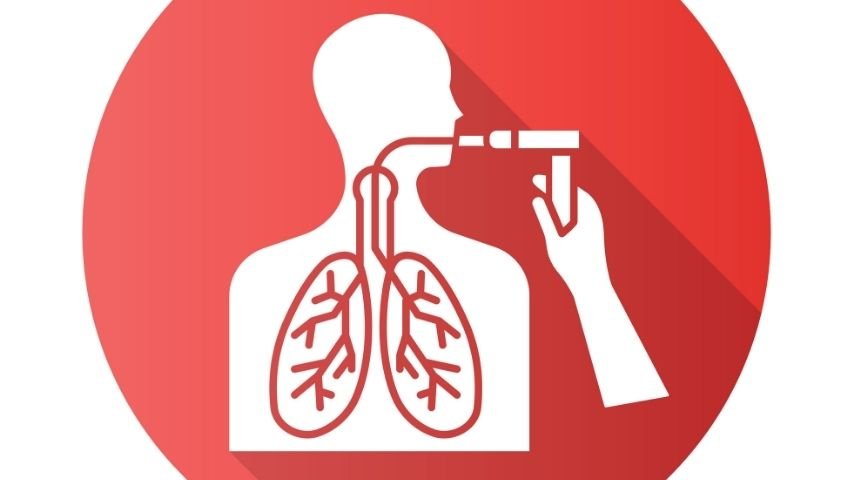
During the procedure, a bronchoscope with an ultrasound probe is inserted through the mouth into the airways. The ultrasound helps visualize structures outside the airway walls, including lymph nodes.
This allows doctors to locate abnormal areas and guide a needle to collect tissue samples for testing.
Why Lymph Nodes Are Important in Lung Cancer Diagnosis
Lymph nodes play a key role in the body’s immune system and are located throughout the chest.
When lung cancer spreads, it often travels first to nearby lymph nodes. Examining these nodes helps doctors understand whether the cancer has spread, a process known as metastasis.
EBUS allows safe sampling of these lymph nodes without the need for surgery, making it an essential tool in diagnosis and staging.
How EBUS Helps Confirm Lung Cancer
After a CT scan identifies a suspicious nodule or lymph node, a biopsy is usually required.
During EBUS:
- Ultrasound is used to locate the abnormal area
- A thin needle is guided through the bronchoscope
- A small tissue sample is collected
This sample is examined in a laboratory.
- If cancer cells are found, the diagnosis is confirmed
- If not, the condition may be due to infection or inflammation
This makes EBUS for lung nodules and surrounding tissues highly valuable for accurate diagnosis.
The Role of EBUS in Staging Lung Cancer
Staging describes how far cancer has spread and is critical for treatment planning.
EBUS helps assess whether cancer has reached lymph nodes in the chest. If cancer cells are present in these nodes, it indicates spread beyond the original tumor.
Accurate staging helps doctors decide on the best treatment approach, such as surgery, chemotherapy, radiation therapy, or targeted treatments.
Advantages of EBUS Compared With Surgical Biopsy
Before EBUS, sampling lymph nodes often required surgery.
EBUS offers several advantages:
- No external cuts or incisions
- Lower risk compared to surgery
- Faster recovery
- Same-day discharge in most cases
It provides a safer and less invasive way to obtain important diagnostic information.
What Patients Can Expect During the Procedure
EBUS is usually performed by a lung specialist (pulmonologist).
Patients receive sedation or anesthesia for comfort. The bronchoscope is passed through the mouth into the airways.
Ultrasound images guide the doctor to the correct area, and tissue samples are collected using a fine needle.
The procedure typically takes 30 to 60 minutes, followed by a short monitoring period.
Recovery After an EBUS Test
Recovery is generally quick, with a typical EBUS recovery time allowing patients to return home the same day.
Patients may experience:
- Mild sore throat
- Temporary hoarseness
These symptoms usually resolve within a day or two. Most people can return to normal activities the next day.
Biopsy results are usually available within a few days, after which the doctor discusses the findings and next steps.
Why EBUS Is an Important Tool in Lung Cancer Care
Accurate diagnosis and staging are essential in lung cancer management.
EBUS provides detailed information about lung abnormalities and lymph node involvement. It allows precise and safe tissue sampling, improving diagnostic accuracy while avoiding unnecessary surgery.
For patients with suspected lung cancer, EBUS plays a central role in guiding treatment decisions.
Conclusion
If imaging tests have identified a lung nodule or enlarged lymph nodes, further evaluation is often necessary.
Endobronchial Ultrasound is a safe and effective procedure that helps confirm the diagnosis and assess the extent of disease. Understanding how EBUS works can help patients feel more informed and confident about the next steps in their care.