Bronchoscopy vs EBUS: What’s the Difference Between These Lung Tests?
Medicine Made Simple
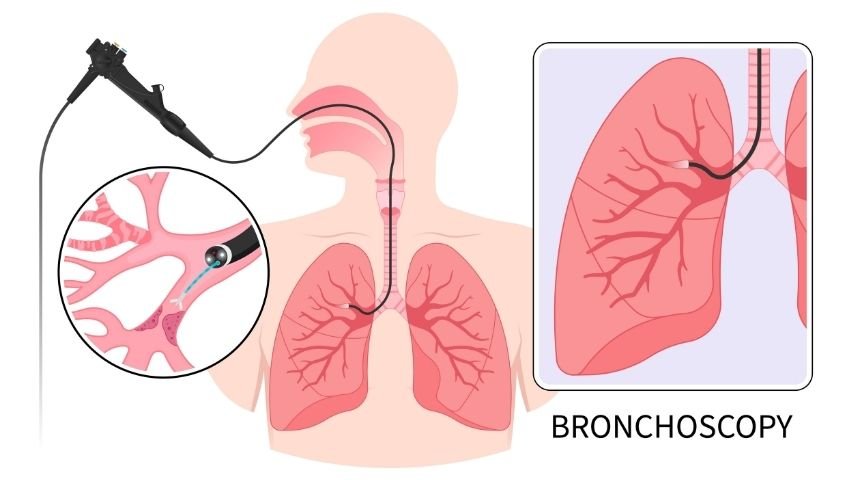
Bronchoscopy and Endobronchial Ultrasound (EBUS) are procedures used to examine the lungs and airways. Both involve passing a thin flexible tube called a bronchoscope through the mouth into the breathing passages.
Bronchoscopy allows doctors to directly see the inside of the airways and collect tissue samples. EBUS is an advanced version that uses ultrasound to look beyond the airway walls, especially at nearby lymph nodes.
This makes EBUS particularly useful for sampling deeper structures in the chest without the need for surgery.
Understanding Why Lung Tests Are Sometimes Needed
When symptoms like persistent cough, unexplained weight loss, shortness of breath, or coughing up blood occur, doctors usually begin with imaging tests.
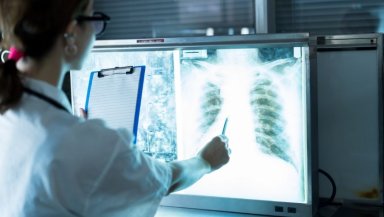
Chest X-rays and CT scans can detect abnormalities such as lung nodules, masses, or enlarged lymph nodes. However, these tests cannot always confirm the exact cause.
To make a clear diagnosis, doctors may need to examine the lungs directly or collect tissue samples. That is where bronchoscopy and EBUS play an important role, often leading to a discussion of EBUS vs CT guided lung biopsy to determine the most effective approach.
What Is Bronchoscopy?
Bronchoscopy is a procedure used to examine the inside of the airways (bronchi), which carry air into the lungs.
A thin, flexible bronchoscope is inserted through the mouth or nose and guided into the lungs. It has a small camera and light that allow doctors to see the airway lining clearly.
Doctors use bronchoscopy to detect tumors, infections, inflammation, or blockages. It also allows collection of mucus or tissue samples from abnormal areas.
Why Doctors Perform Bronchoscopy
Bronchoscopy is commonly recommended when imaging shows abnormalities within the airways.
It helps determine whether the issue is caused by infection, inflammation, or cancer. It is also useful for evaluating symptoms like persistent cough or bleeding.
In some cases, bronchoscopy can be used to remove foreign objects or clear airway blockages, improving breathing.
What Is Endobronchial Ultrasound (EBUS)?
Endobronchial Ultrasound, or EBUS, is a more advanced technique that combines bronchoscopy with ultrasound imaging.
The bronchoscope used in EBUS has an ultrasound probe at its tip. This probe produces images of structures outside the airway walls, such as lymph nodes around the lungs. Using this guidance, doctors can insert a fine needle through the bronchoscope to collect tissue samples from these deeper areas, ensuring high EBUS accuracy for lung cancer staging and diagnosis.
Why EBUS Is Often Recommended
EBUS is especially useful when imaging shows enlarged lymph nodes or when lung cancer is suspected.
Lymph nodes help determine whether cancer has spread, which is important for staging and treatment planning.
With EBUS, doctors can sample these lymph nodes without open surgery. It is also helpful in diagnosing infections or inflammatory conditions, and it is increasingly used as a primary tool for EBUS for lung nodules that are adjacent to the airways.
Key Differences Between Bronchoscopy and EBUS
While both procedures use a bronchoscope, their roles are different.
- Bronchoscopy: Examines and treats problems inside the airways
- EBUS: Examines structures outside the airway walls using ultrasound
Bronchoscopy collects samples from visible airway areas, while EBUS allows needle biopsies of lymph nodes and deeper tissues.
Because they complement each other, doctors often use both procedures together for a complete evaluation.
How the Procedures Are Performed
Both procedures are usually performed by lung specialists (pulmonologists).
Patients are given sedation or anesthesia to keep them comfortable. The bronchoscope is gently inserted through the mouth and guided into the lungs.
During bronchoscopy, doctors inspect the airways and collect samples if needed. During EBUS, ultrasound imaging helps guide needle biopsies from lymph nodes or deeper tissues.
The procedures typically take about 30 to 60 minutes.
What Patients May Experience During the Test
Most patients tolerate these procedures well. Sedation helps reduce discomfort and anxiety.
There is usually no pain during the procedure, though some may feel mild pressure in the throat or chest.
Afterward, a mild sore throat or cough may occur but usually settles within a day. Patients are monitored briefly before going home.
Recovery After Bronchoscopy or EBUS
Recovery is usually quick since there are no surgical cuts involved.
Patients are advised to rest for the day. Eating and drinking may be delayed until throat numbness wears off.
Most people can return to normal activities the next day. Biopsy results may take a few days, as the samples need laboratory analysis.
Why Both Tests Are Important in Lung Diagnosis
Bronchoscopy and EBUS are key tools in diagnosing lung diseases.
Bronchoscopy helps doctors directly examine and treat airway conditions. EBUS allows evaluation of lymph nodes and deeper chest structures.
Together, they provide detailed information needed to diagnose infections, inflammatory diseases, and lung cancer, helping doctors plan the most appropriate treatment.
Conclusion
If imaging tests show abnormalities in the lungs or surrounding lymph nodes, further evaluation is often needed.
Procedures like bronchoscopy and EBUS allow doctors to obtain accurate information without major surgery. Understanding how these tests work can help patients feel more informed and prepared for the diagnostic process.