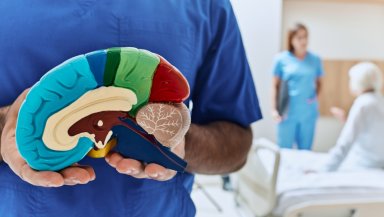
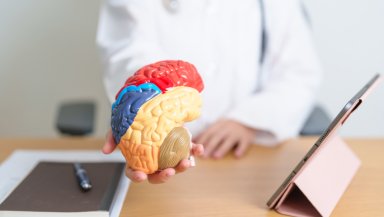
Where Precision Meets Expertise: Advanced Neurosurgical Solutions for Complex Brain, Spine & Nerve Conditions
Medicine Made Simple
Neurosurgery is one of the most advanced and specialized fields in medicine. It focuses on diagnosing and treating conditions that affect the brain, spine, spinal cord, and peripheral nerves. While the thought of neurosurgery can be intimidating, remarkable advances in imaging, surgical navigation, minimally invasive techniques, robotics, and neuro-monitoring have transformed patient care. Today, many complex brain, spine, and nerve conditions can be treated with greater precision, improved safety, and faster recovery than ever before. Understanding modern neurosurgery helps patients and families make informed decisions and approach treatment with confidence.
Introduction
The brain, spinal cord, and nerves form the body's communication network.
Every movement, thought, sensation, memory, and emotion depends on this intricate system functioning properly.
When something affects these structures, the consequences can be significant.
A brain tumor may affect speech or memory.
A spinal problem may cause severe pain or weakness.
A nerve disorder may interfere with movement, sensation, or daily activities.
Hearing that surgery may be required can naturally create anxiety.
Many patients immediately worry about:
- Safety
- Recovery
- Complications
- Long-term outcomes
The good news is that neurosurgery has changed dramatically over the last few decades.
Modern neurosurgical care combines advanced imaging, computer-guided navigation, high-powered surgical microscopes, minimally invasive approaches, robotic assistance, and multidisciplinary expertise.
As a result, procedures that once required large operations can now often be performed with remarkable precision.
Today, many patients experience shorter hospital stays, quicker recovery, better outcomes, and improved quality of life.
What Is Neurosurgery?
Neurosurgery is the medical specialty focused on diagnosing and treating disorders affecting:
- The brain
- The spinal cord
- The spine
- Peripheral nerves
- Blood vessels of the nervous system
Contrary to popular belief, neurosurgeons do much more than perform brain surgery.
They manage a wide range of conditions affecting the nervous system throughout the body.
Neurosurgical care may involve:
- Surgery
- Advanced diagnostics
- Minimally invasive procedures
- Pain management techniques
- Rehabilitation planning
- Long-term monitoring
The goal is always to preserve or restore neurological function while improving quality of life.
Why Neurosurgical Conditions Require Specialized Care
The nervous system controls nearly every function of the body.
Even small abnormalities can have major consequences.
A tiny lesion in the brain may affect speech.
A compressed nerve may cause severe pain.
A spinal cord problem may affect walking or balance.
Because these structures are so delicate, treatment requires exceptional precision.
Modern neurosurgery is built around the principle of maximizing effectiveness while minimizing disruption to healthy tissue.
This balance is what makes specialized neurosurgical care so important.
Common Brain Conditions Treated by Neurosurgeons
Many people associate neurosurgery primarily with brain tumors.
While brain tumors are an important part of the specialty, neurosurgeons treat many other conditions as well.
Brain Tumors
Brain tumors may be benign or malignant.
Treatment depends on:
- Tumor type
- Location
- Size
- Growth rate
Modern surgical techniques often allow highly precise tumor removal while protecting critical brain functions.
Aneurysms
A brain aneurysm is a weakened area in a blood vessel that bulges outward.
If an aneurysm ruptures, it can cause life-threatening bleeding.
Early diagnosis and treatment are crucial.
Arteriovenous Malformations (AVMs)
AVMs are abnormal connections between arteries and veins.
These vascular abnormalities may increase the risk of bleeding and neurological symptoms.
Hydrocephalus
Hydrocephalus occurs when fluid accumulates within the brain, increasing pressure.
Treatment often involves specialized drainage procedures.
Epilepsy
Certain patients with drug-resistant epilepsy may benefit from neurosurgical intervention.
Procedures may help reduce seizures or achieve seizure freedom.
Common Spine Conditions Treated by Neurosurgeons
Spinal disorders are among the most common reasons people seek neurosurgical care.
Herniated Disc
A disc may bulge or rupture, compressing nearby nerves.
Symptoms can include:
- Back pain
- Leg pain
- Numbness
- Weakness
Spinal Stenosis
This condition occurs when spaces within the spine narrow and compress nerves.
Symptoms may include:
- Pain
- Tingling
- Weakness
- Difficulty walking
Degenerative Spine Disease
Age-related changes may affect discs, joints, and spinal stability.
These changes can produce chronic pain and neurological symptoms.
Spinal Tumors
Tumors may arise within or around the spinal cord.
Treatment often requires specialized neurosurgical expertise.
Spinal Trauma
Accidents and injuries can damage the spine and spinal cord.
Prompt treatment is often essential to preserve neurological function.
Peripheral Nerve Conditions
Neurosurgeons also treat disorders affecting peripheral nerves.
Examples include:
- Carpal tunnel syndrome
- Ulnar nerve compression
- Peripheral nerve injuries
- Nerve tumors
- Entrapment neuropathies
These conditions can significantly affect strength, sensation, and function.
The Evolution of Neurosurgery
Many people imagine neurosurgery as highly invasive and risky.
While neurosurgery remains complex, modern technology has dramatically improved safety and precision.
Today's neurosurgical procedures often benefit from:
- High-resolution imaging
- Computer-guided navigation
- Intraoperative imaging
- Neuro-monitoring
- Advanced microscopes
- Robotic assistance
These innovations help surgeons visualize anatomy in extraordinary detail.
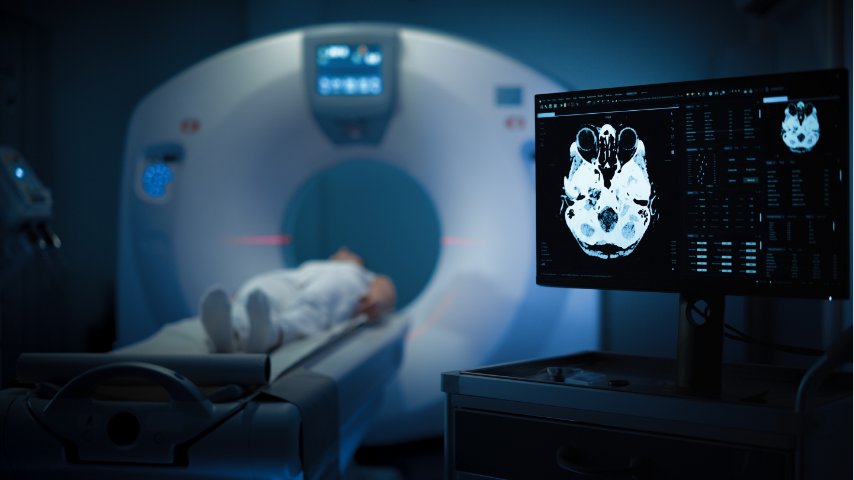
Advanced Imaging: The Foundation of Precision
Successful neurosurgery begins long before entering the operating room.
Modern imaging technologies provide detailed information about:
- Brain structures
- Spinal anatomy
- Blood vessels
- Nerves
- Tumor characteristics
Common imaging techniques include:
MRI
MRI provides detailed images of soft tissues and neurological structures.
CT Scans
CT imaging is particularly useful for evaluating bone structures and emergencies.
Functional MRI
Functional MRI helps identify areas responsible for:
- Speech
- Movement
- Memory
This information helps protect critical functions during surgery.
Advanced Brain Mapping
Brain mapping allows surgeons to understand the relationship between abnormalities and important neurological functions.
What Is Surgical Navigation?
Surgical navigation is often compared to a GPS system for the brain and spine.
Using advanced imaging data, surgeons can track instruments in real time during procedures.
Benefits include:
- Improved accuracy
- Better planning
- Smaller incisions
- Enhanced safety
Navigation technology has become an essential part of many complex neurosurgical procedures.
Minimally Invasive Neurosurgery
One of the most significant developments in modern neurosurgery is the growth of minimally invasive techniques.
Traditional surgery often required larger incisions and more tissue disruption.
Minimally invasive approaches use specialized instruments and advanced imaging to access affected areas through smaller openings.
Potential benefits include:
- Less postoperative pain
- Smaller scars
- Reduced blood loss
- Shorter hospital stays
- Faster recovery
Many brain and spine procedures can now be performed using minimally invasive approaches.
Microsurgery: Operating at Extraordinary Precision
Neurosurgeons frequently use operating microscopes that provide high magnification and illumination.
Microsurgery allows surgeons to:
- Distinguish delicate structures
- Protect healthy tissue
- Improve surgical precision
- Reduce complications
These techniques are especially important when operating near critical nerves and blood vessels.
Awake Brain Surgery: Preserving Vital Functions
One of the most remarkable advances in neurosurgery is awake craniotomy.
In selected patients, surgeons temporarily awaken the patient during part of the procedure.
This allows real-time monitoring of:
- Speech
- Language
- Movement
- Memory
The goal is to maximize treatment while preserving important brain functions.
For carefully selected patients, this approach can significantly improve outcomes.
Intraoperative Neuro-Monitoring
During many neurosurgical procedures, specialists continuously monitor nerve and spinal cord function.
This process is known as intraoperative neuro-monitoring.
It helps surgeons identify potential issues immediately and adjust techniques when necessary.
Neuro-monitoring adds an important layer of safety to complex procedures.
Robotic Assistance in Neurosurgery
Robotic technology is becoming increasingly important in spine and neurosurgical procedures.
Robots do not perform surgery independently.
Instead, they assist surgeons by improving:
- Planning accuracy
- Instrument guidance
- Precision
- Consistency
Robotic-assisted procedures continue to expand as technology evolves.
Multidisciplinary Neurosurgical Care
Complex neurological conditions often require expertise from multiple specialists.
Modern neurosurgical centers frequently involve:
- Neurosurgeons
- Neurologists
- Neuro-oncologists
- Pain specialists
- Rehabilitation physicians
- Radiologists
- Physical therapists
This collaborative approach helps ensure comprehensive care.
Recovery After Neurosurgery
Recovery varies depending on:
- The condition treated
- The procedure performed
- Overall health
- Age
- Rehabilitation needs
Modern recovery programs emphasize:
- Early mobilization
- Pain control
- Physical rehabilitation
- Functional recovery
Many patients begin walking and participating in therapy sooner than they expect.
The Role of Neuro-Rehabilitation
Treatment does not end after surgery.
Neuro-rehabilitation plays a vital role in helping patients regain function.
Depending on individual needs, rehabilitation may include:
- Physical Therapy: Focuses on strength, mobility, balance, and coordination.
- Occupational Therapy: Helps patients regain independence in daily activities.
- Speech Therapy: Addresses communication and swallowing difficulties.
- Cognitive Rehabilitation: Supports memory, attention, and problem-solving skills.
Comprehensive rehabilitation often has a significant impact on long-term outcomes.
When Should You Seek a Neurosurgical Opinion?
Consider consulting a neurosurgical specialist if you experience:
- Persistent neurological symptoms
- Progressive weakness
- Unexplained numbness
- Chronic back or neck pain with nerve symptoms
- Brain tumor diagnosis
- Recurrent seizures
- Balance problems
- Spine disorders affecting quality of life
Early evaluation often expands treatment options and improves outcomes.
Looking Toward the Future
Neurosurgery continues to advance rapidly.
Researchers and clinicians are exploring:
- Artificial intelligence-assisted planning
- Enhanced robotic systems
- Advanced neuro-navigation
- Precision imaging technologies
- Gene-based therapies
- Neuro-regenerative treatments
These innovations are helping make neurosurgical care safer, more precise, and more personalized.
Conclusion
Modern neurosurgery represents the intersection of advanced technology, scientific innovation, and surgical expertise. Whether treating complex brain tumors, spinal disorders, nerve injuries, epilepsy, or vascular abnormalities, today's neurosurgical teams have access to tools and techniques that were unimaginable just a few decades ago. Early diagnosis, expert evaluation, personalized treatment planning, and comprehensive rehabilitation remain the foundations of successful outcomes. With the right care, many patients can achieve significant improvements in function, comfort, and quality of life.
If you or a loved one has been diagnosed with a brain, spine, or nerve condition—or is experiencing persistent neurological symptoms—seek evaluation from an experienced neurosurgical team. Early assessment and access to advanced treatment options can make a meaningful difference in recovery and long-term outcomes.
References and Sources
World Federation of Neurosurgical Societies (WFNS)