Stroke Recovery Starts Here: Hyperacute Care, Clot Retrieval, Rehabilitation & Life After Stroke
Medicine Made Simple
A stroke is a medical emergency that occurs when blood flow to a part of the brain is interrupted. Every minute counts because brain cells begin to die within minutes of losing oxygen and nutrients. The good news is that modern stroke care has advanced dramatically. Today, rapid diagnosis, clot-busting medications, mechanical clot retrieval procedures, specialized stroke units, and comprehensive rehabilitation programs can significantly improve recovery outcomes. Understanding stroke symptoms, seeking immediate medical attention, and participating actively in rehabilitation can help survivors regain independence and improve their quality of life.
Introduction
A stroke can change a person's life in an instant.
One moment, someone is having a normal conversation. The next, they may struggle to speak, move an arm, walk, or even understand what is happening around them.
For patients and families, the experience is often frightening and overwhelming.
Questions arise immediately.
Will recovery be possible?
Will the person walk again?
Will speech return?
How much independence can be regained?
The answers depend on many factors, but one fact is universally true:
Time matters.
Stroke treatment has undergone a revolution over the past two decades. Advances in emergency stroke care, clot removal procedures, specialized stroke units, and rehabilitation have dramatically improved outcomes for many patients.
Today, people who once would have faced severe disability may recover significant function when treatment is received quickly.
Understanding stroke, recognizing symptoms early, and knowing what happens after a stroke can make a tremendous difference.
What Is a Stroke?
The brain requires a constant supply of oxygen-rich blood to function properly.
A stroke occurs when that blood supply is disrupted.
Without oxygen and nutrients, brain cells begin to die.
Because different areas of the brain control different functions, the effects of a stroke depend on which area is affected.
A stroke can impact:
- Speech
- Movement
- Vision
- Memory
- Balance
- Swallowing
- Thinking ability
- Emotional regulation
The damage can range from mild and temporary to severe and life-changing.
The Two Main Types of Stroke
Understanding the type of stroke is important because treatment differs significantly.
Ischemic Stroke
Approximately 85% of strokes are ischemic strokes.
These occur when a blood vessel supplying the brain becomes blocked by a clot.
The clot prevents oxygen-rich blood from reaching part of the brain.
This is the type of stroke most commonly treated with clot-busting medications and clot retrieval procedures.
Hemorrhagic Stroke
A hemorrhagic stroke occurs when a blood vessel in the brain ruptures and bleeds.
The bleeding damages surrounding brain tissue and increases pressure within the skull.
Treatment focuses on controlling bleeding, reducing pressure, and addressing the underlying cause.
Although both types are serious, their management differs considerably.
Why Every Minute Matters
Doctors often say:
"Time is brain."
This phrase reflects a simple reality.
Millions of brain cells can be lost every minute during an untreated stroke.
The longer treatment is delayed, the greater the risk of permanent damage.
This is why rapid recognition and immediate medical care are critical.
Modern stroke treatments are often highly effective, but they work best when delivered quickly.
Delaying care by even a few hours can significantly affect recovery outcomes.
Recognizing Stroke Symptoms: Remember FAST
One of the easiest ways to recognize stroke symptoms is the FAST acronym.
F – Face Drooping
One side of the face may droop or appear uneven.
Ask the person to smile.
Does one side look different?
A – Arm Weakness
Ask the person to raise both arms.
Does one arm drift downward?
Is one arm weak or numb?
S – Speech Difficulty
Speech may become slurred, confused, or difficult to understand.
The person may struggle to find words or repeat a simple sentence.
T – Time to Call Emergency Services
If any of these symptoms are present, seek emergency medical attention immediately.
Do not wait to see if symptoms improve.
Every minute matters.
Other Common Stroke Symptoms
Not every stroke presents exactly the same way.
Additional warning signs may include:
- Sudden vision loss
- Double vision
- Severe dizziness
- Difficulty walking
- Loss of coordination
- Sudden confusion
- Severe headache
- Sudden numbness
Any sudden neurological symptom should be treated as a potential emergency.
What Happens at the Hospital?
When a patient arrives with suspected stroke, the medical team moves quickly.
The goal is to determine:
- Whether a stroke has occurred
- What type of stroke it is
- Which treatments may be appropriate
Several tests are usually performed immediately.
Brain Imaging
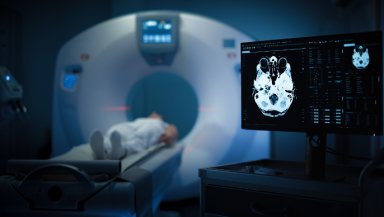
CT scans and MRI scans help identify whether the stroke is caused by a blocked blood vessel or bleeding.
This distinction is crucial because treatments differ dramatically.
Blood Tests
Blood tests help identify factors that may affect treatment decisions.
Neurological Assessment
Doctors evaluate:
- Speech
- Strength
- Coordination
- Vision
- Awareness
These assessments help determine stroke severity.
What Is Hyperacute Stroke Care?
Hyperacute stroke care refers to the critical period immediately after stroke symptoms begin.
During this stage, the focus is on restoring blood flow to the brain as quickly as possible.
Specialized stroke centers have dedicated teams trained to provide rapid assessment and treatment.
The goal is to minimize brain injury and maximize recovery potential.
Clot-Busting Medication: Thrombolysis
For many ischemic strokes, doctors may administer a clot-dissolving medication.
This treatment is often called thrombolysis.
The medication works by breaking down the clot that is blocking blood flow.
However, thrombolysis is highly time-sensitive.
It is most effective when given soon after symptoms begin.
Not every patient is eligible, but for appropriate candidates, it can significantly improve outcomes.
Mechanical Thrombectomy: A Major Breakthrough in Stroke Care
One of the most important advances in modern stroke treatment is mechanical thrombectomy.
This procedure is often referred to as clot retrieval.
For patients with large blood vessel blockages, thrombectomy can dramatically improve recovery.
How Does Thrombectomy Work?
A specialist inserts a thin catheter through a blood vessel, usually in the groin or wrist.
Using advanced imaging guidance, the catheter is carefully navigated to the blocked artery in the brain.
Specialized devices are then used to remove the clot.
Once blood flow is restored, brain tissue may recover.
Why Is Thrombectomy So Important?
Before thrombectomy became widely available, many patients with large-vessel strokes faced severe disability.
Today, appropriately selected patients can experience remarkable improvements.
The procedure has transformed stroke care worldwide.
What Happens After Emergency Treatment?
Emergency treatment is only the beginning of recovery.
After stabilization, patients are usually transferred to a specialized stroke unit.
Stroke units bring together healthcare professionals with expertise in stroke management.
This team may include:
- Neurologists
- Rehabilitation physicians
- Nurses
- Physiotherapists
- Occupational therapists
- Speech therapists
- Psychologists
Specialized stroke units have been shown to improve outcomes significantly.
Understanding Stroke Rehabilitation
Rehabilitation is one of the most important parts of stroke recovery.
The brain has a remarkable ability to adapt and reorganize itself.
This process is known as neuroplasticity.
Through rehabilitation, surviving brain cells can sometimes take over functions previously performed by damaged areas.
The earlier rehabilitation begins, the better the potential outcomes.
Physical Therapy: Relearning Movement
Many stroke survivors experience weakness or paralysis.
Physical therapy focuses on:
- Walking
- Balance
- Strength
- Coordination
- Mobility
Therapists help patients regain movement and improve independence.
Progress may be gradual, but meaningful improvements are often possible.
Occupational Therapy: Returning to Daily Life
A stroke can make routine tasks challenging.
Occupational therapy helps patients regain the ability to perform activities such as:
- Dressing
- Bathing
- Cooking
- Writing
- Using technology
- Returning to work
The goal is to maximize independence and confidence.
Speech and Language Therapy
Many strokes affect communication.
Speech therapy helps address:
- Slurred speech
- Language difficulties
- Word-finding problems
- Swallowing issues
Communication recovery can significantly improve quality of life and social participation.
Cognitive Rehabilitation
Some stroke survivors experience difficulties with:
- Memory
- Attention
- Problem-solving
- Decision-making
Cognitive rehabilitation programs help strengthen these abilities and develop compensatory strategies.
Emotional Recovery After Stroke
Stroke affects more than physical abilities.
It can also affect emotional well-being.
Many survivors experience:
- Anxiety
- Depression
- Frustration
- Fear
- Reduced self-confidence
These feelings are common and should not be ignored.
Mental health support is an important component of comprehensive stroke care.
Counseling, support groups, and family education can all play valuable roles.
Life After Stroke: Preventing Another Stroke
Experiencing one stroke increases the risk of another.
Fortunately, many risk factors can be managed.
Prevention strategies often include:
Managing Blood Pressure
High blood pressure is the most important modifiable stroke risk factor.
Controlling Diabetes
Good blood sugar control reduces vascular complications.
Managing Cholesterol
Healthy cholesterol levels help reduce artery disease.
Quitting Smoking
Smoking significantly increases stroke risk.
Regular Physical Activity
Exercise supports cardiovascular and brain health.
Healthy Eating
A balanced diet helps control many stroke risk factors.
Secondary prevention is a crucial part of long-term care.
Supporting Family Members and Caregivers
Stroke affects entire families.
Caregivers often play an essential role in recovery.
Responsibilities may include:
- Medication management
- Appointment coordination
- Mobility assistance
- Emotional support
Caregiving can be rewarding but also physically and emotionally demanding.
Family members should seek support when needed and prioritize their own well-being.
Healthy caregivers are better equipped to provide effective care.
Can Stroke Survivors Live Independent Lives?
Many people assume life after stroke will never be the same.
While recovery varies widely, many survivors achieve impressive improvements.
Some return to:
- Work
- Driving
- Exercise
- Social activities
- Independent living
Recovery may continue for months or even years.
The key is persistence, rehabilitation, and ongoing support.
Every recovery journey is unique.
Looking Toward the Future
Stroke treatment continues to advance rapidly.
Researchers are exploring:
- Advanced clot retrieval technologies
- Neuroprotective medications
- Robotics-assisted rehabilitation
- Brain-computer interfaces
- Artificial intelligence-assisted diagnosis
- Innovative recovery therapies
These developments offer hope for even better outcomes in the future.
Conclusion
Stroke is a medical emergency, but modern treatment has transformed the outlook for many patients. Rapid recognition of symptoms, immediate medical attention, advanced treatments such as thrombolysis and thrombectomy, and comprehensive rehabilitation can dramatically improve recovery. While stroke recovery often requires patience and hard work, many survivors regain independence and return to meaningful, active lives. Understanding the treatment journey empowers patients and families to seek timely care and make informed decisions.
If you or someone around you develops sudden weakness, facial drooping, speech difficulty, vision changes, or other possible stroke symptoms, seek emergency medical attention immediately. Early treatment can save brain function, reduce disability, and significantly improve recovery outcomes.
References and Sources