Brain Tumor Care Redefined: Early Diagnosis, Precision Surgery, Awake Craniotomy & Holistic Recovery
Medicine Made Simple
Hearing the words "brain tumor" can be frightening for patients and families. Many people immediately think of a life-threatening condition with limited treatment options. However, brain tumor care has changed dramatically over the past two decades. Advances in imaging, minimally invasive brain surgery, awake craniotomy techniques, stereotactic radiosurgery, precision medicine, and specialized rehabilitation programs have improved outcomes significantly. Today, many patients can undergo highly targeted treatment while preserving important brain functions and maintaining a good quality of life. Understanding modern brain tumor care can help patients and caregivers make informed decisions and approach treatment with greater confidence.
Introduction
Few medical diagnoses create as much fear as a brain tumor.
The brain controls our thoughts, memory, speech, movement, emotions, and personality. When patients hear that a tumor has been found in the brain, it is natural to feel overwhelmed.
Questions immediately begin to arise.
Is it cancer?
Will surgery be necessary?
Will I lose my memory?
Will I be able to work again?
What are my chances of recovery?
The good news is that modern brain tumor treatment is far more advanced than many people realize.
Today, doctors have access to sophisticated imaging technologies, highly precise surgical techniques, targeted radiation therapies, advanced rehabilitation programs, and multidisciplinary care teams that work together to deliver personalized treatment.
Many brain tumors can be treated successfully. Even when complete cure is not possible, modern therapies often help patients live longer and maintain a better quality of life.
Understanding the basics of brain tumors and the treatment options available can make the journey less intimidating and help patients participate actively in their care.
What Is a Brain Tumor?
A brain tumor is an abnormal growth of cells within the brain or surrounding tissues.
Normally, cells grow, divide, and die in a controlled manner. A tumor develops when this process becomes disrupted and cells begin multiplying abnormally.
Brain tumors can occur in different parts of the brain and may affect different functions depending on their location.
Not all brain tumors are cancerous.
Broadly, brain tumors are divided into two major categories:
Benign Brain Tumors
Benign tumors are non-cancerous.
They usually grow more slowly and are less likely to spread to other parts of the body.
However, because they occur within the skull, even benign tumors can cause serious symptoms if they press on important areas of the brain.
Examples include:
- Meningiomas
- Acoustic neuromas
- Pituitary adenomas
Malignant Brain Tumors
Malignant tumors are cancerous.
They tend to grow more aggressively and may invade nearby brain tissue.
Examples include:
- Glioblastoma
- Astrocytoma
- Oligodendroglioma
Some brain tumors begin in the brain itself, while others spread to the brain from cancers elsewhere in the body. These are known as metastatic brain tumors.
Early Warning Signs of a Brain Tumor
Brain tumor symptoms vary widely depending on the size and location of the tumor.
Many symptoms occur because the tumor increases pressure inside the skull or interferes with normal brain function.
Common warning signs include:
- Persistent headaches
- Seizures
- Weakness in an arm or leg
- Difficulty speaking
- Changes in vision
- Problems with balance
- Memory difficulties
- Personality changes
- Nausea and vomiting
- Unexplained confusion
It is important to remember that these symptoms do not automatically mean a person has a brain tumor.
Many other conditions can cause similar symptoms.
However, persistent or worsening symptoms should always be evaluated by a healthcare professional.
Why Early Diagnosis Matters
The earlier a brain tumor is identified, the more treatment options are usually available.
Early diagnosis can help doctors:
- Determine the tumor type
- Assess growth patterns
- Prevent neurological damage
- Plan treatment more effectively
- Improve long-term outcomes
Many modern treatment strategies depend on obtaining detailed information about the tumor before symptoms become severe.
This is why prompt medical evaluation is important whenever concerning neurological symptoms appear.
How Are Brain Tumors Diagnosed?
Diagnosing a brain tumor involves several steps.
The process begins with a detailed medical history and neurological examination.
Doctors assess:
- Strength
- Reflexes
- Coordination
- Vision
- Speech
- Memory
- Sensation
If a brain tumor is suspected, imaging studies are usually recommended.
MRI: The Most Important Imaging Test
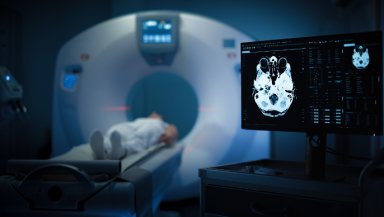
Magnetic Resonance Imaging (MRI) is often the primary tool used to evaluate brain tumors.
MRI provides highly detailed images of the brain and helps doctors:
- Locate the tumor
- Measure its size
- Evaluate nearby structures
- Assess treatment options
Modern MRI techniques can even provide information about tumor activity and blood supply.
Additional Diagnostic Tests
Depending on the situation, doctors may also recommend:
- CT scans
- Functional MRI
- PET scans
- Advanced brain mapping
- Biopsy procedures
These tests help determine the exact type of tumor and guide treatment planning.
Understanding the Role of the Neuro-Oncology Team
Brain tumor treatment rarely involves a single doctor.
Instead, patients benefit from a multidisciplinary neuro-oncology team.
This team may include:
- Neurosurgeons
- Neurologists
- Neuro-oncologists
- Radiation oncologists
- Rehabilitation specialists
- Neuropsychologists
- Specialized nurses
Each specialist contributes expertise that helps create a personalized treatment plan.
This team-based approach has become one of the most important advances in modern brain tumor care.
Precision Brain Surgery: How Treatment Has Evolved
For many brain tumors, surgery remains one of the most important treatment options.
However, brain surgery today is very different from what many people imagine.
Advances in technology allow surgeons to operate with extraordinary precision.
The goals of surgery may include:
- Removing the entire tumor
- Removing as much of the tumor as safely possible
- Obtaining tissue for diagnosis
- Relieving pressure within the brain
- Improving neurological symptoms
Modern surgical planning uses detailed imaging and computer-assisted navigation systems that help surgeons identify critical brain structures during procedures.
What Is Minimally Invasive Brain Surgery?
Minimally invasive brain surgery aims to achieve treatment goals while reducing disruption to healthy tissue.
These techniques may involve:
- Smaller incisions
- Specialized instruments
- Endoscopic approaches
- Advanced imaging guidance
Potential benefits include:
- Less pain
- Shorter hospital stays
- Faster recovery
- Reduced complications
Not every patient is a candidate, but minimally invasive approaches have expanded treatment possibilities for many individuals.
Awake Craniotomy: One of the Most Remarkable Advances in Neurosurgery
The idea of being awake during brain surgery may sound frightening.
In reality, awake craniotomy has become one of the most important innovations in modern neurosurgery.
During certain procedures, patients are awakened temporarily while surgeons perform specific parts of the operation.
Why would this be done?
The reason is simple.
Certain brain tumors are located near areas responsible for:
- Speech
- Language
- Movement
- Memory
Keeping the patient awake allows the surgical team to test these functions in real time.
For example, the patient may be asked to:
- Name objects
- Count numbers
- Move limbs
- Answer simple questions
This helps surgeons remove as much tumor as possible while protecting critical brain functions.
For carefully selected patients, awake craniotomy can significantly improve outcomes.
What Happens After Surgery?
Recovery varies depending on:
- Tumor type
- Tumor location
- Surgical complexity
- Overall health
Many patients spend time in a specialized neuro-intensive care unit immediately after surgery.
The healthcare team monitors:
- Neurological function
- Pain control
- Brain swelling
- Recovery progress
Most patients are encouraged to begin gentle activity relatively soon after surgery.
Early rehabilitation often plays a major role in recovery.
Understanding Stereotactic Radiosurgery
Despite its name, stereotactic radiosurgery is not surgery in the traditional sense.
It does not involve incisions.
Instead, it uses highly focused radiation beams to target tumors with remarkable precision.
This approach is commonly used for:
- Small brain tumors
- Tumors in difficult-to-reach locations
- Residual tumor tissue after surgery
- Certain metastatic brain tumors
Benefits may include:
- No surgical incision
- Outpatient treatment
- Minimal recovery time
- Precise targeting of tumor tissue
Modern stereotactic radiosurgery systems have transformed the treatment of many brain tumors.
When Are Chemotherapy and Targeted Therapies Used?
Some brain tumors require treatments beyond surgery and radiation.
Chemotherapy uses medications to destroy cancer cells or slow their growth.
In recent years, targeted therapies have also emerged.
These treatments focus on specific molecular features within tumor cells.
Precision medicine allows doctors to tailor treatment more closely to the characteristics of an individual patient's tumor.
As research continues, these approaches are becoming increasingly important in neuro-oncology.
Brain Tumor Rehabilitation: An Often Overlooked Part of Recovery
Many patients assume treatment ends after surgery or radiation.
In reality, rehabilitation is often one of the most important parts of recovery.
A brain tumor can affect:
- Movement
- Speech
- Balance
- Memory
- Concentration
- Emotional well-being
Rehabilitation specialists help patients regain function and independence.
Depending on individual needs, rehabilitation may include:
- Physical Therapy: Helps improve strength, mobility, and balance.
- Occupational Therapy: Focuses on daily activities such as dressing, cooking, and returning to work.
- Speech Therapy: Supports communication, language, and swallowing difficulties.
- Cognitive Rehabilitation: Addresses memory, attention, and problem-solving challenges.
Recovery continues long after the hospital stay ends.
The Emotional Impact of a Brain Tumor Diagnosis
A brain tumor diagnosis affects more than physical health.
Many patients experience:
- Anxiety
- Depression
- Fear
- Uncertainty
- Changes in self-confidence
Family members often face similar emotional challenges.
Support services, counseling, and patient support groups can play a valuable role throughout treatment and recovery.
Addressing emotional health is an important part of comprehensive care.
When Should You Seek a Second Opinion?
Many patients wonder whether obtaining a second opinion is appropriate.
The answer is often yes.
A second opinion can:
- Confirm the diagnosis
- Clarify treatment options
- Provide reassurance
- Introduce additional therapies
- Help patients feel more confident in decision-making
For complex brain tumors, seeking expert input is a common and reasonable step.
Looking Toward the Future
Brain tumor treatment continues to evolve rapidly.
Researchers are exploring:
- Advanced molecular testing
- Precision medicine
- Immunotherapy
- Artificial intelligence-assisted diagnostics
- New surgical technologies
- Improved rehabilitation approaches
These innovations are creating new opportunities for better outcomes and improved quality of life.
Conclusion
Brain tumor care has entered a new era. Advances in imaging, minimally invasive brain surgery, awake craniotomy, stereotactic radiosurgery, targeted therapies, and rehabilitation have transformed the patient experience. While a brain tumor diagnosis remains serious, modern treatment approaches offer more options and better outcomes than ever before. Early diagnosis, expert evaluation, and multidisciplinary care remain the foundations of successful treatment.
If you or a loved one has been diagnosed with a brain tumor or is experiencing concerning neurological symptoms, seek evaluation from an experienced neuro-oncology team. Early diagnosis and access to specialized care can make a significant difference in treatment outcomes, recovery, and quality of life.