Fatty Liver: Causes, Symptoms, Prevention, and Treatment Explained Simply
Medicine Made Simple Summary
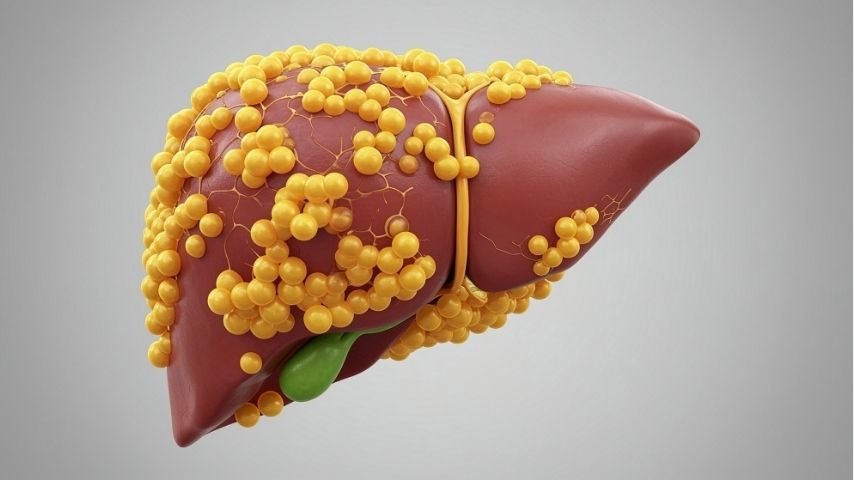
Fatty liver disease is a condition where excess fat builds up inside the liver. A small amount of fat is normal, but too much can harm liver cells and affect liver function over time. Fatty liver often develops silently and is commonly linked to obesity, diabetes, unhealthy diet, and lack of physical activity. In people who drink heavily, fatty liver may represent the earliest stage in the spectrum of alcoholic liver disease causes and treatment. The good news is that fatty liver disease is usually reversible, especially when detected early. Simple lifestyle changes such as healthy eating, regular exercise, weight control, and avoiding alcohol play the most important role in treatment and prevention.
What Is Fatty Liver Disease
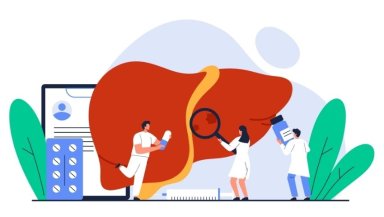
Fatty liver disease, also called hepatic steatosis, occurs when fat accumulates inside liver cells. The liver is responsible for many vital functions, including digestion, detoxification, and energy storage. When too much fat builds up, the liver struggles to work properly.
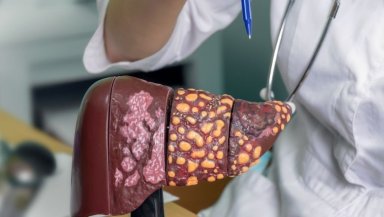
Having some fat in the liver is normal. Problems begin when fat makes up a large portion of the liver tissue. Over time, this excess fat can lead to inflammation, liver damage, scarring, and in severe cases, liver failure.
Fatty liver disease has become more common due to changes in lifestyle, diet, and physical activity levels.
Types of Fatty Liver Disease
Fatty liver disease is broadly divided into two main types based on the cause.
Alcoholic Fatty Liver Disease
Alcoholic fatty liver disease occurs due to excessive alcohol consumption. The liver breaks down alcohol, and this process leads to fat buildup inside liver cells. Continued alcohol use can worsen liver damage and lead to inflammation and scarring.
This form of fatty liver can often improve if alcohol intake is stopped early.
Non-Alcoholic Fatty Liver Disease
Non-alcoholic fatty liver disease, often called NAFLD, occurs in people who drink little or no alcohol. It is strongly linked to lifestyle and metabolic factors.
Common risk factors include excess body weight, diabetes, insulin resistance, high cholesterol levels, and physical inactivity. Poor dietary habits, especially diets high in sugar and processed foods, also play a major role.
Genetics and certain medical conditions can increase risk as well.
Why Fat Accumulates in the Liver
The liver processes fats from food and produces fats needed by the body. When more fat is delivered to the liver than it can process or export, fat begins to accumulate.
This imbalance often happens due to overeating, excess sugar intake, insulin resistance, or reduced physical activity. Over time, the liver becomes overloaded with fat, leading to fatty liver disease.
Symptoms of Fatty Liver Disease
Fatty liver disease often causes no symptoms in its early stages. Many people discover it accidentally during routine blood tests or ultrasound scans.
As fat buildup increases, some people may notice tiredness, low energy, or a feeling of heaviness or discomfort in the upper right side of the abdomen. Weakness and unexplained weight changes may also occur.
In advanced stages, especially when inflammation develops, symptoms may include yellowing of the eyes or skin, swelling in the legs or abdomen, and mental confusion. These signs suggest serious liver involvement and need urgent medical attention.
How Fatty Liver Progresses
Simple fatty liver may remain stable for years if lifestyle changes are made. However, in some people, fat accumulation leads to inflammation of the liver. This stage is more serious and can cause liver cell injury.
Long-standing inflammation may result in scarring of the liver, known as fibrosis. Severe scarring can progress to cirrhosis, where normal liver structure is replaced with scar tissue. Cirrhosis affects liver function and may eventually lead to liver failure.
Not everyone with fatty liver will reach advanced stages, especially with early intervention.
How Fatty Liver Is Diagnosed
Fatty liver is often suspected based on blood tests showing abnormal liver enzymes. Imaging tests such as ultrasound can detect fat accumulation in the liver.
In some cases, special scans are used to assess liver stiffness and fat content. These tests help determine disease severity and guide treatment decisions.
Diagnosis also involves ruling out other causes of liver disease.
Prevention of Fatty Liver Disease
Fatty liver disease can often be prevented through healthy lifestyle habits. Weight control plays a major role, as excess body fat strongly affects liver health.
Eating a balanced diet that includes fruits, vegetables, whole grains, and lean proteins supports liver function. Reducing sugar, refined carbohydrates, and processed foods lowers fat accumulation in the liver.
Regular physical activity helps the body use fat more efficiently. Even moderate exercise most days of the week can reduce liver fat.
Limiting or avoiding alcohol is important, especially for people at risk.
Managing diabetes, cholesterol, and blood pressure also protects the liver.
Role of Meal Timing and Food Quality
Eating meals earlier in the evening supports better metabolism. Late-night heavy meals can increase fat storage in the liver.
Avoiding artificial colors, additives, and highly processed foods reduces stress on the liver. Choosing fresh and minimally processed foods supports long-term liver health.
Treatment of Fatty Liver Disease
There is no single medicine that cures fatty liver disease. Treatment focuses on correcting the underlying causes.
Weight loss is the most effective treatment. Even a small reduction in body weight can significantly decrease liver fat and inflammation.
Diet changes are central to treatment. Diets rich in natural foods and low in refined sugars show clear benefits.
Regular exercise helps reduce liver fat even without significant weight loss.
Managing conditions like diabetes and high cholesterol is essential to slow disease progression.
Alcohol should be avoided completely in people with fatty liver.
Monitoring and Follow-Up
People diagnosed with fatty liver need regular follow-up. Blood tests and imaging help track liver health and detect progression early.
Monitoring allows timely adjustments in lifestyle and treatment.
When Fatty Liver Becomes Serious
In advanced cases where severe scarring or liver failure develops, more intensive treatment may be required. In rare cases, liver transplantation may be the only option.
Early detection greatly reduces the risk of reaching this stage.
Living With Fatty Liver Disease
Most people with fatty liver can live normal lives by making consistent lifestyle changes. The liver has a strong ability to heal when damaging factors are removed.
Patience and long-term commitment are important. Improvement happens gradually but steadily with the right approach.
Conclusion
Fatty liver disease is a common and often silent condition that can lead to serious liver problems if ignored. The encouraging news is that it is usually reversible, especially when detected early. Healthy eating, regular exercise, weight management, and avoiding alcohol form the foundation of treatment and prevention. With awareness, early diagnosis, and sustained lifestyle changes, most people can protect their liver and maintain long-term health.