Hand Transplant vs Prosthetic Hand: Which Option Changes Life More?
Medicine Made Simple
A hand transplant and a prosthetic hand are two different ways to help someone after losing a hand. A prosthetic hand is an artificial hand worn outside the body, while a hand transplant is a surgery where a donor hand is attached to the patient’s arm. Both aim to improve daily life, movement, and independence. One focuses on technology and lower medical risk, while the other offers the possibility of natural feeling and movement. Understanding both helps patients and families choose the right path for long-term recovery and quality of life.
Understanding Life After Losing a Hand
Losing a hand affects much more than physical movement. It changes how a person eats, dresses, writes, works, and manages daily life. It can also affect confidence, emotions, and relationships.
Some people lose a hand because of accidents, burns, infections, cancer, or serious illness. Others may lose function because of severe injury that cannot be repaired. After the immediate treatment is over, the next question becomes very important: how can life become normal again?
Today, there are two main options for restoring hand function. One is using a prosthetic hand. The other is having a hand transplant. Both can help, but they are very different choices.
The goal is not simply replacing the missing hand. The goal is helping the person return to independence and a better quality of life.
What Is a Prosthetic Hand?
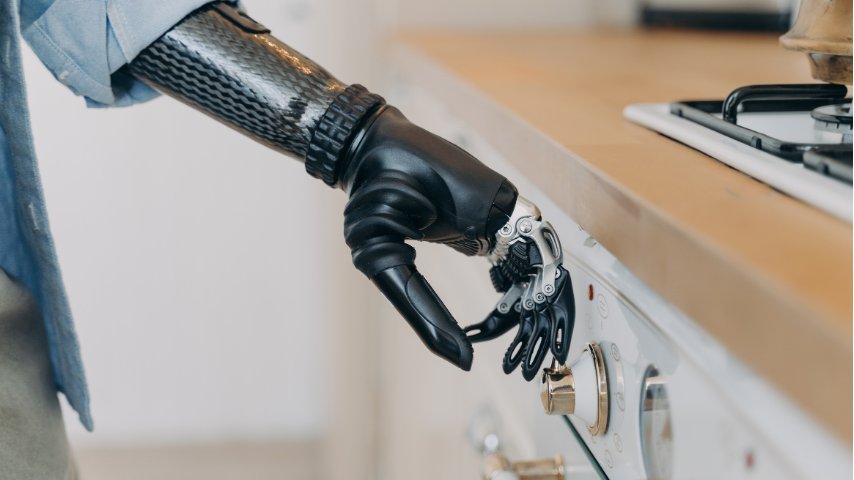
A prosthetic hand is an artificial device made to replace the missing hand. It is worn on the body but is not connected as living tissue.
There are different types of prosthetic hands. Some are simple and mainly made for appearance. They help the hand look natural but do not provide much movement.
Others are functional prosthetics. These allow gripping, lifting, and holding objects. Advanced prosthetic hands called myoelectric prosthetics work using muscle signals. When the muscles in the arm contract, the prosthetic responds and moves.
Modern prosthetics can help people perform many daily tasks like holding a spoon, carrying a bag, typing, or opening doors. Technology continues to improve these devices every year.
A prosthetic does not require major surgery and can often be fitted after healing from the original injury.
What Is a Hand Transplant?
A hand transplant is a complex surgery where doctors attach a donor hand from a deceased person to the patient’s arm.
This is not a simple operation. Surgeons must connect bones, blood vessels, tendons, muscles, nerves, and skin very carefully as part of hand transplant surgery explained by transplant specialists. The surgery may take many hours.
After surgery, the hand needs time to heal and the nerves need time to grow. This means recovery can take months or even years.
Unlike a prosthetic, a transplanted hand is living tissue. It may eventually provide warmth, touch, and more natural movement. Some patients can regain the ability to hold objects, write, and feel physical contact.
According to Cleveland Clinic, hand transplantation can improve both function and emotional well-being for selected patients who meet strict medical criteria.
The Main Difference Between the Two
The biggest difference is simple.
A prosthetic hand is mechanical.
A hand transplant is biological.
A prosthetic is worn and removed like a device. It can be repaired, upgraded, or changed over time.
A transplanted hand becomes part of the body. It can feel warm and may regain sensation, but the body may also try to reject it.
This makes the decision much bigger than choosing a device. It becomes a lifelong medical and personal decision.
Can You Feel Touch Again?
This is one of the most common questions patients ask.
With a prosthetic hand, natural feeling does not return. The person may learn excellent control, but they usually cannot feel touch, heat, or pain the way they would with a real hand.
Some newer prosthetic technologies are trying to improve sensory feedback, but normal touch is still limited.
With a hand transplant, there is a possibility of feeling again. As nerves slowly grow into the donor hand, some patients regain touch, pressure, and temperature sensation as part of hand transplant sensation recovery.
This process takes time and patience. It may take many months or even years. Some patients experience strong recovery, while others have limited sensation.
Mayo Clinic explains that one goal of hand transplantation is to restore both movement and feeling to improve daily life.
Which Option Gives Better Movement?
Both options can improve function, but they work differently.
A prosthetic hand can provide strong practical support. It can help with work, exercise, driving, and household tasks. Some people use prosthetics very successfully and return to active professional lives.
However, very fine finger movements may still be difficult.
A successful hand transplant may provide more natural finger coordination over time. Tasks like buttoning a shirt, tying shoelaces, or writing may feel more natural.
But this depends heavily on rehabilitation. Surgery alone does not create success. Daily therapy and strong motivation are necessary.
A transplant offers potential for natural movement, but it demands much more effort and time.
Recovery Time Is Very Different
Recovery after a prosthetic fitting is usually faster.
Once the original wound heals, the patient can be measured for the prosthetic. Training begins soon after, and adjustments are made over time.
Life may return to routine more quickly.
Hand Transplant Recovery is much longer.
The surgery is only the beginning. Patients need regular therapy sessions for months or years. They must visit the hospital often and follow strict medication schedules.
There is also emotional recovery, which is often harder than expected.
Hand transplantation is rare because it requires long-term commitment and specialized medical support.
Understanding the Risks
A prosthetic hand has fewer medical risks.
Common problems include discomfort, skin irritation, fitting issues, or mechanical problems. These can usually be corrected with adjustments.
A hand transplant carries much bigger risks.
The most serious risk is rejection. The immune system may see the donor hand as foreign and try to destroy it.
To prevent this, patients must take immunosuppressants after hand transplant for life. These medicines reduce rejection risk but also increase the chance of infections and may affect the kidneys, liver, and general health.
This is why doctors carefully choose who is suitable for hand transplantation.
Unlike heart or kidney transplants, a hand transplant is not done to save life. It is done to improve quality of life. That makes the decision more complex.
Cost and Long-Term Expenses
Cost is another major factor.
A prosthetic hand can range from basic and affordable to highly advanced and expensive. Some modern bionic prosthetics are costly, and they may need repair or replacement over time.
A hand transplant is much more expensive at the start. It includes surgery, hospital care, donor matching, rehabilitation, and specialist follow-up.
The long-term cost of medicines must also be considered because immunosuppressants are needed for life.
Insurance support varies depending on the country and hospital.
Patients should think about not only the surgery cost but also the years of care that follow.
Emotional and Psychological Impact
This part is often forgotten, but it matters greatly.
Some people feel emotionally stronger with a hand transplant because it looks and feels more natural. They may feel more complete and confident.
Others prefer prosthetics because they do not want the fear of rejection or lifelong medicines.
Some transplant patients struggle because the new hand feels unfamiliar. This is called psychological rejection. They may feel the hand does not fully belong to them.
Some prosthetic users also feel frustration because of public attention or daily limitations.
Mental health support is important for both choices. A successful outcome is not only physical. It is also emotional.
Who Is a Good Candidate for Hand Transplant?
Not everyone can have a hand transplant.
Doctors usually look for patients who are physically healthy, emotionally prepared, and willing to follow strict lifelong treatment.
Good family support is also important because recovery is long and demanding.
Smoking, serious illness, poor medication habits, or unstable mental health may reduce eligibility.
Hospitals like Mayo Clinic and Cleveland Clinic use strict screening before approving patients for transplant.
This helps improve safety and long-term success.
Which Option Changes Life More?
There is no single answer.
If the goal is faster recovery, lower medical risk, and practical independence, a prosthetic hand may be the better option.
If the goal is natural feeling, emotional restoration, and biological movement, a hand transplant may feel more meaningful.
A prosthetic is often the safer and more practical path.
A transplant may offer deeper physical and emotional restoration, but it comes with lifelong responsibility.
The best option depends on the patient’s health, lifestyle, goals, and personal values.
Conclusion
Choosing between a hand transplant and a prosthetic hand is not only a medical decision. It is a life decision.
Patients should speak openly with surgeons, prosthetic specialists, rehabilitation experts, and family members before making a choice.
Important questions should be asked.
Can I manage lifelong medicines?
Do I want natural feeling more than medical safety?
What matters most to my future life?
There is no perfect answer for everyone. There is only the answer that is right for your life.
Understanding both options clearly helps patients move forward with confidence instead of fear.
References and Sources
Cleveland Clinic – Hand Transplant
National Academies – Advancing Face and Hand Transplantation

Dr Selva Seetharaman S
Aesthetics, Plastic, Cosmetic and Reconstructive Surgery, Hand Transplant
HOD & Senior Consultant
Chennai, PerumbakkamChennai, Adyar