Lifelong Immunosuppressants After Hand Transplant: Is It Worth the Risk?

Medicine Made Simple
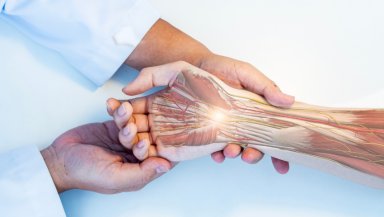
A hand transplant is a surgery where a donor hand from a deceased person is attached to someone who has lost their hand. After surgery, the body may try to reject the new hand because it sees it as foreign tissue. To prevent this, patients must take immunosuppressant medicines for life. These medicines help protect the transplant, but they also come with serious risks like infections, kidney problems, diabetes, and other long-term health issues. Since a hand transplant improves quality of life rather than saves life, patients must carefully decide if lifelong medication is truly worth it.
Why Medicines Are Needed After a Hand Transplant
A hand transplant may look like a normal surgery from the outside, but medically it is very different from repairing a broken bone or stitching a wound. The transplanted hand comes from another person’s body, and that creates a major challenge for the immune system.
The human immune system is designed to protect the body from anything it sees as foreign, such as bacteria, viruses, or unfamiliar tissue. After a hand transplant, the immune system may treat the donor hand like an unwanted invader and try to destroy it. This process is called rejection.
Without treatment, rejection can damage the skin, muscles, blood vessels, and deeper tissues of the transplanted hand. In severe cases, the hand may fail completely.
This is why immunosuppressant medicines are necessary. These drugs reduce the immune system’s attack and help the body accept the new hand. They are not optional medicines. They are essential for the survival of the transplant.
Unlike short-term painkillers or antibiotics, these medicines must usually be taken for life.
What Are Immunosuppressants
Immunosuppressants are medicines that lower the activity of the immune system.
Their job is simple but very important. They stop the body from attacking the donor hand.
Doctors usually prescribe a combination of medicines rather than just one drug. Common medicines include Tacrolimus, mycophenolate mofetil, and steroids such as prednisone. Each works in a slightly different way to reduce rejection risk.
Mayo Clinic explains that these medicines are started immediately after surgery and must be continued long term to protect the transplanted hand.
Doctors monitor patients closely because the balance must be very careful. Too little medicine increases rejection risk. Too much medicine increases dangerous side effects.
This means patients need regular blood tests, frequent follow-up visits, and strict discipline in taking medicines exactly as prescribed.
Missing doses can be serious.
What Happens If Medicines Are Stopped
This is one of the most important things every patient must understand.
Stopping immunosuppressant medicines can put the transplant at immediate risk.
The immune system does not forget that the hand came from another person. Even after months or years of good recovery, the body can still attack the transplant if medicine is reduced too much or stopped completely.
Some patients may think they feel well and decide they no longer need treatment. This can be dangerous.
Rejection may begin with simple signs like redness, swelling, rash, pain, or reduced movement. Sometimes it happens quietly and is only detected through medical testing.
If rejection is caught early, doctors may be able to control it by adjusting medicines. If it becomes severe, permanent damage may happen and the hand may be lost.
This is why transplant teams strongly emphasize medication discipline. A hand transplant is a lifelong responsibility, not a one-time surgery.
Why This Decision Is More Complicated Than Other Transplants
Heart, liver, and kidney transplants are often life-saving surgeries. Without them, the patient may not survive.
A hand transplant is different.
It improves quality of life, but it does not usually save life.
A person can live without a hand. Life becomes harder, but survival is not directly threatened. This creates a difficult question.
Is it worth taking lifelong medicines with serious health risks for a surgery that improves function rather than survival?
This question has no universal answer.
For some patients, the ability to regain movement, touch, independence, and emotional wholeness makes the risk worth taking.
For others, especially when prosthetic options are available, lifelong medication feels too dangerous.
This is why doctors are very careful before recommending hand transplantation. The decision must be deeply personal and fully informed, especially when considering Hand Transplant Eligibility and long-term commitment.
The Risk of Infections Increases
Because immunosuppressants weaken the immune system, the body becomes less able to fight infections.
This means common illnesses that might normally be mild can become more serious.
A simple flu, skin infection, urinary infection, or chest infection may require faster treatment and closer monitoring. Patients may need hospital care more often than before.
Some infections can become severe because the body cannot respond as strongly.
Doctors often advise patients to be more careful with hygiene, vaccinations, and avoiding unnecessary exposure to illness. Even dental care becomes important because infections can begin in places people do not expect.
This constant awareness can feel stressful.
Patients must learn that protecting the hand also means protecting the whole body.
Kidney and Liver Problems Can Develop
Many immunosuppressant medicines, especially Tacrolimus, can affect important organs over time.
The kidneys are one of the biggest concerns.
These medicines can reduce kidney function slowly, sometimes without obvious symptoms in the beginning. This is why regular blood tests are necessary even when the patient feels fine.
The liver may also be affected, depending on the medication type and dosage.
Doctors monitor kidney and liver health closely because long-term damage can become serious if ignored.
This creates another emotional challenge for patients. They may feel that saving the hand could be harming another part of the body.
Balancing transplant success with overall health is one of the hardest parts of long-term care.
Diabetes, High Blood Pressure, and Weight Gain
Steroids and other anti-rejection medicines can also affect metabolism.
Some patients develop high blood pressure, increased blood sugar, diabetes, high cholesterol, or noticeable weight gain after transplantation.
These problems may seem unrelated to the hand, but they become part of daily life after transplant.
A patient may need extra medicines, dietary changes, exercise plans, and regular medical follow-up for these new health issues.
This can feel frustrating, especially for younger patients who were otherwise healthy before surgery.
The transplant journey becomes much bigger than the hand itself. It affects the whole body and long-term lifestyle choices.
Understanding this before surgery helps patients avoid unrealistic expectations later.
The Risk of Certain Cancers
Long-term immune suppression can also slightly increase the risk of certain cancers.
This happens because the immune system normally helps detect and destroy abnormal cells. When immunity is reduced for many years, that protection becomes weaker.
Skin cancer and some forms of lymphoma are examples doctors watch carefully in transplant patients.
This does not mean every patient will develop cancer, but it is part of the long-term risk discussion.
Regular check-ups, skin monitoring, and preventive health care become very important.
This is another reason why doctors do not recommend hand transplantation lightly. The decision must consider not only today’s recovery but also health many years into the future.
Can These Medicines Help Nerve Recovery Too
Interestingly, some immunosuppressant medicines may have benefits beyond preventing rejection.
Research has shown that Tacrolimus may help nerve regeneration in some cases. Since nerve healing is essential for movement and sensation after a hand transplant, this can be helpful.
Mayo Clinic notes that tacrolimus may support nerve recovery while also protecting the transplant from rejection.
This creates an important balance.
The same medicine that carries long-term risks may also improve the chances of regaining touch and function during Hand Transplant Recovery.
This does not remove the dangers, but it helps explain why these medicines are such a central part of transplant success.
Patients need to understand both sides clearly.
The Emotional Burden of Lifelong Medication
Taking daily medicines forever can feel heavier than many people expect.
At first, patients focus on surgery and recovery. Later, the reality of lifelong treatment becomes clearer.
Every day includes tablets, appointments, blood tests, side effect monitoring, and constant awareness of rejection risk.
Some patients feel anxious if they miss a dose by even a few hours. Others feel emotionally tired from knowing the transplant depends on permanent medical control.
This can affect mental health.
There may also be guilt if family members worry about side effects or financial pressure from long-term treatment costs.
Living with a transplant means living with responsibility every single day.
The emotional burden is real and should never be ignored, especially because concerns like Psychological Hand Rejection may also affect recovery and long-term adjustment.
Is It Worth the Risk
This is the most important question, and there is no simple answer.
For some patients, especially those with severe bilateral hand loss, a transplant can restore independence in ways that feel life-changing. The ability to feel touch, hold loved ones, work again, and regain identity may make the risks acceptable.
For others, especially when advanced prosthetic hands offer strong function without medical danger, lifelong immunosuppression may feel like too high a price.
There is no right answer for everyone.
The best decision depends on health, lifestyle, family support, emotional readiness, and personal values.
Doctors do not decide this alone. Patients must decide what matters most in their own lives.
That honesty is more important than optimism.
Conclusion
Immunosuppressant medicines are the hidden reality behind every successful hand transplant.
They protect the donor hand from rejection and make recovery possible, but they also bring serious lifelong risks including infections, kidney damage, diabetes, cancer risk, and emotional stress.
Because a hand transplant improves quality of life rather than saves life, this decision must be made with great care.
For the right patient, the benefits may be life-changing and deeply meaningful. For others, the risks may be too great compared to safer alternatives like prosthetic hands.
The goal is not simply keeping the transplanted hand alive. The goal is building a healthy, sustainable life around it.
That is what makes this decision so important.
If you or your loved one is considering a hand transplant, ask your doctor one simple question: can I truly commit to lifelong immunosuppressant treatment? The answer to that question may be more important than the surgery itself. Speak openly with your transplant team and make the decision with full understanding, not only hope.

Dr Selva Seetharaman S
Aesthetics, Plastic, Cosmetic and Reconstructive Surgery, Hand Transplant
HOD & Senior Consultant
Chennai, PerumbakkamChennai, Adyar