Foamy Urine: Causes, Symptoms, Diagnosis & When to See a Doctor

Medicine Made Simple Summary
Foamy urine is usually harmless when it occurs occasionally, most often due to a fast urine stream or mild dehydration. However, foam that is white, persistent, and remains in the toilet after flushing especially when paired with ankle swelling, fatigue, or reduced urination, may indicate that the kidneys are leaking protein (a condition called proteinuria). If foamy urine persists for more than 2–3 days or comes with other symptoms, see a doctor promptly.
1. What is Foamy Urine?
Foamy urine refers to urine that produces a visible, frothy layer of bubbles in the toilet bowl when you urinate. While passing a few bubbles occasionally is completely normal for most people, persistent foam that stays in the bowl even after flushing — or foam that returns every time you urinate — deserves attention.
The key distinction to understand is this: bubbles are large, clear, and disappear quickly. Foam is white or off-white, finer in texture, and lingers in the toilet bowl the way foam on a glass of beer does. If what you are seeing matches the second description, it is worth investigating.
2. Foamy Urine vs Bubbly Urine: What Is the Difference?
Many people use the terms interchangeably, but clinically, they are different.
| Feature | Normal Bubbles | Foamy / Frothy Urine |
|---|---|---|
| Appearance | Large, clear | Small, white, dense |
| After flushing | Disappears quickly | Stays/reforms |
| Frequency | Occasional | Recurrent |
| Likely cause | Fast stream, toilet cleaner | Protein in urine, a kidney issue |
| Action needed | Usually none | See a doctor if persistent |
This distinction is the single most practical thing you can know when self-assessing whether your symptoms need medical attention.
3. What Causes Foamy Urine?
Foamy urine has a range of causes — from completely harmless to medically significant. Here is a clear breakdown:
Benign (Non-Serious) Causes
1. Fast urine stream or full bladder When you hold your urine for a long time and then release it forcefully, the high-pressure stream agitates the water in the toilet bowl and creates bubbles. This is the single most common reason for occasional foamy urine and is entirely harmless.
2. Dehydration and concentrated urine When you are not drinking enough water, your urine becomes darker and more concentrated. Concentrated urine has a higher protein and salt content relative to water, making it more likely to produce foam. Drinking more water typically resolves this within hours.
3. Toilet cleaning chemicals Residual cleaning products or bleach in the toilet bowl can react with urine and create foam. If the foam only appears in toilets that have been recently cleaned and disappears when you use another toilet, this is likely the reason.
4. Intense physical exercise Heavy exercise can temporarily cause protein to spill into the urine (exercise-induced proteinuria). This is usually harmless and resolves within 24–48 hours of rest.
5. Semen in the urine (retrograde ejaculation — male-specific) In men, a condition called retrograde ejaculation causes semen to travel backward into the bladder instead of out through the urethra during ejaculation. Traces of semen in urine can create a foamy appearance. This is more noticeable in urine passed shortly after sexual activity. While the condition itself is not dangerous, it can affect fertility and should be discussed with a urologist.
Medical Causes That Need Investigation
6. Proteinuria (protein in urine) — the most important cause The kidneys act as a filter, keeping proteins — especially albumin — in the blood. When the kidneys are damaged or inflamed, they leak protein into the urine. Protein in urine acts like a surfactant (similar to soap), causing the urine to foam persistently. Proteinuria is the medical reason that matters most with foamy urine and is associated with several conditions below.
7. Diabetes and diabetic nephropathy Diabetes is one of the most common causes of kidney damage globally. Over time, high blood sugar damages the tiny blood vessels (glomeruli) inside the kidneys that filter waste. When these filters are damaged, they allow albumin to leak into the urine — a condition called diabetic nephropathy. Foamy urine is often one of the earliest visible signs that the kidneys are being affected by diabetes. People with Type 1 or Type 2 diabetes who notice persistent foamy urine should speak to their doctor about a urine albumin-to-creatinine ratio (ACR) test without delay.
8. High blood pressure (hypertension) Uncontrolled high blood pressure damages the blood vessels inside the kidneys over time, impairing their filtering ability and leading to protein leakage. This is a leading cause of chronic kidney disease in India.
9. Chronic kidney disease (CKD) Foamy urine can appear at different stages of CKD. In many cases, it is one of the first noticeable symptoms — the kidneys begin leaking protein before other symptoms like swelling or fatigue become obvious. CKD from any cause (diabetes, hypertension, glomerulonephritis) can produce proteinuria and therefore foamy urine.
10. Glomerulonephritis Inflammation of the glomeruli (the kidney's filtering units) — whether from autoimmune conditions, infections, or other causes — disrupts normal filtration and causes protein to spill into the urine.
11. Lupus nephritis Systemic lupus erythematosus (SLE) can attack the kidneys, causing inflammation and damage that leads to significant protein loss in urine, resulting in persistent, heavy foaming.
12. Amyloidosis Amyloidosis is a rare condition in which abnormal protein deposits accumulate in organs including the kidneys, impairing their function and causing proteinuria.
13. Urinary tract infections (UTIs) While UTIs typically cause burning, frequency, and cloudy urine, in some cases the presence of bacteria, pus, or altered urine composition can produce foam. The foam from a UTI is usually accompanied by other classic UTI symptoms.
14. Preeclampsia (foamy urine in pregnancy) Preeclampsia is a serious pregnancy complication characterised by high blood pressure and protein in the urine. Foamy urine during pregnancy — especially in the second or third trimester — should never be ignored. It can indicate that the kidneys are under significant stress and must be evaluated by an obstetrician immediately. Protein in urine is one of the diagnostic criteria for preeclampsia, which can be life-threatening for both mother and baby if left untreated.
15. Foamy urine in children While less common, children can develop foamy urine due to kidney conditions such as nephrotic syndrome — a condition that causes the kidneys to leak large amounts of protein. In children, foamy urine combined with puffy eyes in the morning and swelling around the ankles and abdomen should prompt immediate medical evaluation. Nephrotic syndrome is very treatable when caught early.
4. What Does Foamy Urine Indicate About Kidney Health?
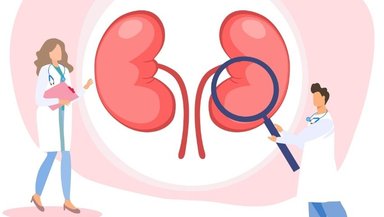
When foamy urine is caused by proteinuria, it is a direct signal that the kidneys are not filtering properly. The kidneys contain approximately one million tiny filters called nephrons. Each nephron has a cluster of capillaries called glomeruli. In a healthy kidney, these filters allow waste and water to pass into urine while retaining proteins in the blood.
When kidney damage occurs — from diabetes, hypertension, inflammation, or other causes — the glomeruli become leaky. Proteins, especially albumin, escape into the urine. These protein molecules act as surfactants: they reduce the surface tension of urine, causing it to foam when it hits the water in the toilet bowl, just like dish soap creates bubbles.
5. What Stage of Kidney Disease Causes Foamy Urine?
Foamy urine due to proteinuria can appear as early as Stage 2 CKD (mildly reduced kidney function with kidney damage markers present). Many patients in early CKD stages have no other noticeable symptoms — making foamy urine one of the earliest visible warning signs.
This is why persistent foamy urine must never be dismissed as normal without a urine test. Catching kidney disease at Stage 1 or 2 allows for interventions that can slow or even reverse damage. By Stage 4 or 5, treatment options are far more limited.
6. Symptoms to Watch Alongside Foamy Urine
Foamy urine alone is a reason to get a urine test. The following accompanying symptoms make it more urgent:
- Swelling (oedema) in feet, ankles, legs, around the eyes, or in the face — this occurs when protein is lost from the blood and fluid shifts into body tissues
- Fatigue and weakness beyond what is normal for you
- Reduced urine output or feeling like you are urinating less than usual
- Frothy urine that is also dark, tea-coloured, or blood-tinged — this may indicate blood in the urine (haematuria) alongside proteinuria
- High blood pressure readings, even if you have no symptoms
- Unexplained loss of appetite, nausea, or vomiting
- Puffiness around the eyes in the morning — especially in children, this is a classic sign of nephrotic syndrome
- Pain or burning during urination — if present alongside foam, this suggests a UTI
7. When Should You See a Doctor About Foamy Urine?
Use this three-tier guide:
Book a Routine Appointment (within 1 week)
- Foamy urine has appeared more than 3–4 times in the past few weeks
- You have no other symptoms, but the foam is white and persistent (does not go away after flushing)
- You have diabetes or hypertension and have not had a urine test in the past 6 months
Book Urgently (within 24–48 hours)
- Persistent foamy urine plus ankle/leg swelling or puffiness around the eyes
- Foamy urine plus unusual fatigue, reduced appetite, or nausea
- Foamy urine plus noticeably reduced urine output
- Foamy urine during pregnancy at any stage
Go to A&E / Emergency
- Foamy urine alongside blood in urine (red or brown/cola-coloured)
- Foamy urine with sudden, severe swelling, difficulty breathing, or chest pain
- Foamy urine in a child with rapidly worsening swelling and reduced urination
- Known kidney disease patients with sudden worsening of foam
8. How Is Foamy Urine Diagnosed?
When you visit a doctor about foamy urine, the evaluation typically follows a clear pathway:
Step 1: Urine dipstick test A simple, rapid test where a chemically coated strip is dipped into a urine sample. It checks for protein (albumin), blood, glucose, infection markers, and more. This takes just a few minutes and gives the doctor a first indication of whether protein is present.
Step 2: Spot urine albumin-to-creatinine ratio (ACR) This is a more specific urine test that measures exactly how much albumin is being lost relative to creatinine. An ACR above 30 mg/g suggests clinically meaningful protein leakage. This test is the current gold standard for detecting early diabetic kidney disease and CKD.
Step 3: 24-hour urine protein collection In some cases, the doctor may ask you to collect all urine over a 24-hour period to measure total protein excretion. This gives a precise picture of how much protein the kidneys are leaking per day.
Step 4: Blood tests for kidney function Blood tests measure serum creatinine, blood urea nitrogen (BUN), and estimated glomerular filtration rate (eGFR). The eGFR tells the doctor how well the kidneys are filtering. An eGFR below 60 mL/min/1.73m² for more than 3 months indicates chronic kidney disease.
Step 5: Ultrasound of kidneys and urinary tract An ultrasound helps assess the size, shape, and structure of both kidneys, and can identify structural abnormalities, cysts, stones, or obstruction that may be contributing to the problem.
Step 6: Kidney biopsy (when indicated) If the cause of proteinuria remains unclear after the above tests, a kidney biopsy — where a small tissue sample is taken under imaging guidance — may be needed to identify the specific type of kidney disease and guide treatment.
9. How Is Foamy Urine Treated?
Treatment is directed at the underlying cause. There is no single treatment for foamy urine itself — the goal is to address what is causing the protein leakage.
If the cause is benign
- Dehydration: Increase water intake to at least 8–10 glasses per day. The foam should resolve within 24–48 hours if dehydration was the sole cause.
- Fast stream/full bladder: No treatment needed. Simply being aware and not holding urine for too long can help.
- Exercise-induced: Rest. The protein should clear within 24–48 hours.
If the cause is kidney-related proteinuria
- Blood pressure control: ACE inhibitors (e.g., enalapril, lisinopril) and ARBs (e.g., losartan, telmisartan) are the cornerstone of treatment for proteinuric kidney disease. These medications reduce pressure within the glomeruli and significantly slow protein leakage, regardless of whether the patient has hypertension.
- Blood sugar control: In diabetic nephropathy, tight control of blood glucose with HbA1c targets below 7% is essential to prevent further kidney damage. Newer medications — SGLT2 inhibitors such as empagliflozin and dapagliflozin — have strong clinical evidence for protecting the kidneys in diabetic patients.
- Immunosuppressive therapy: For conditions like lupus nephritis or certain types of glomerulonephritis, corticosteroids and immunosuppressants may be required.
- Dietary modifications: Reducing salt intake (less than 2g sodium per day), moderating protein intake as advised by your nephrologist, and maintaining a healthy weight all support kidney health.
- Diuretics: If significant swelling (oedema) is present due to low albumin levels, diuretics may be prescribed to reduce fluid retention.
10. Can Foamy Urine Be Prevented?
While not all causes of foamy urine can be prevented, the following habits significantly reduce the risk of the serious causes:
- Stay well hydrated — aim for pale yellow urine throughout the day
- Control blood sugar rigorously if you have diabetes — this is the single most powerful thing a diabetic patient can do for their kidneys
- Manage blood pressure — keep it below 130/80 mmHg, or as advised by your doctor
- Attend regular kidney function screenings — people with diabetes, hypertension, or a family history of kidney disease should have an ACR and eGFR test at least once a year
- Avoid excessive NSAID use — regular use of pain medications like ibuprofen and diclofenac can damage kidneys over time
- Avoid crash diets or extreme high-protein diets without medical supervision — excess protein stresses the kidneys
- Quit smoking — smoking damages blood vessels throughout the body, including in the kidneys
11. Living With the Condition & What It Means for You
If you discover you have proteinuria or early kidney stress:
Don’t panic. Many kidney conditions can be managed well, and early intervention is key.
Keep a log: note when you noticed foamy urine, how your fluid intake was, any new medications, or other new symptoms.
Open communication with your doctor: bring your logs, ask about what tests to repeat, and strategies to protect your kidneys long-term.
Focus on what is in your control: hydration, diet, blood pressure, lifestyle.
Understand foam is a signal, not a diagnosis. The key is what lies behind it.
FAQs (Frequently Asked Questions)
Q: Is foamy urine normal in the morning?
Urine in the morning is naturally more concentrated because you have not had fluids for 6–8 hours overnight. This concentration can sometimes make urine appear slightly foamy or darker than usual. If the foam disappears quickly and you have no other symptoms, this is usually harmless. However, if morning foam is persistent, white, and does not clear after flushing, it warrants a urine test.
Q: Can stress cause foamy urine?
Psychological stress alone does not directly cause proteinuria or persistent foamy urine. However, intense physical stress (heavy exercise, illness, fever) can cause temporary protein leakage that resolves on its own. If you are experiencing chronic stress alongside foamy urine, it is worth seeing a doctor to rule out any underlying condition — stress often accompanies or worsens other health issues.
Q: Does foamy urine always mean kidney disease?
No. Most single episodes of foamy urine are caused by a fast stream, dehydration, or toilet cleaning chemicals — none of which involve kidney disease. Kidney disease becomes a concern when foam is white, persistent, returns repeatedly, or is accompanied by other symptoms like swelling or fatigue.
Q: What does it mean if foamy urine does not go away after drinking water?
If increased hydration does not resolve the foam within 24–48 hours, dehydration is unlikely to be the sole cause. Persistent foam despite good hydration is one of the clearest reasons to get a urine dipstick test to check for protein.
Q: Can protein supplements or a high-protein diet cause foamy urine?
Yes. Very high protein intake — from whey protein, mass gainer supplements, or a very high-protein diet — increases the kidney's protein load and can temporarily cause trace amounts of protein to spill into the urine. This is usually harmless in people with healthy kidneys, but it can worsen existing kidney conditions. If you notice foamy urine after starting a high-protein supplement, discuss this with your doctor.
Q: Is foamy urine a sign of a urinary tract infection (UTI)?
A UTI can occasionally contribute to changes in urine consistency, but it typically presents with burning sensation, frequency, urgency, and cloudy or foul-smelling urine rather than persistent foam. If you have UTI symptoms alongside foam, see your doctor — a urine culture will clarify the diagnosis.
Q: How long does foamy urine from dehydration last?
If dehydration is the cause, foam typically resolves within a few hours to 24 hours after significantly increasing fluid intake. If it persists beyond 48 hours despite drinking adequate water, the cause is likely something else.
Q: Can foamy urine be treated at home?
Foamy urine caused by dehydration or a forceful stream can self-resolve with increased water intake. However, you cannot treat proteinuria or kidney disease at home. Any foam that is persistent, white, or accompanied by other symptoms requires medical evaluation — do not attempt to manage it with home remedies.
Q: Should I go to A&E or book a doctor's appointment for foamy urine?
In most cases, a routine or urgent appointment with your doctor or a nephrologist is appropriate. Go to A&E if you also have blood in your urine, sudden severe swelling, difficulty breathing, or chest pain.
Q: What blood tests are done for foamy urine?
Your doctor will typically order serum creatinine, blood urea nitrogen (BUN), estimated glomerular filtration rate (eGFR), and a complete blood count. If diabetes is suspected or known, HbA1c and fasting blood glucose will also be checked. These results, combined with urine tests, give a complete picture of kidney health.
Q: Can foamy urine go away on its own?
Foamy urine due to benign causes (dehydration, fast stream, exercise) usually resolves on its own within hours to a couple of days. Foamy urine due to proteinuria does not go away on its own — it requires identifying and treating the underlying cause.
Q: Is a little foam in urine normal?
A thin layer of foam that disappears quickly is usually normal and caused by urine speed or toilet cleaner; foam that stays and looks like beaten egg whites needs checking.
Q: How much foam in urine is considered normal?
Occasional, light foam that clears within seconds is typical; persistent, thick foam most days is not normal and should be evaluated.
Q: What causes bubbles in urine in men specifically?
Dehydration, high-protein diets, retrograde ejaculation, and prostate conditions can cause bubbles in urine in men in addition to general causes.
Q: Can dehydration alone cause foamy urine?
Yes, concentrated urine from dehydration foams more easily; drinking water and rechecking is a simple first step.
Q: When does frothy urine mean kidney disease?
When foam is persistent and accompanied by swelling, fatigue, or high blood pressure, it can signal protein leaking from damaged kidneys (proteinuria).
Q: What test confirms if foamy urine is serious?
A urine protein-to-creatinine ratio or dipstick urinalysis checks for protein and is the standard first test.
Q: Should I worry if foamy urine goes away on its own?
If it resolves after hydration and doesn't return, it's usually not urgent, but recurring episodes warrant a doctor's evaluation.
Conclusion
If you’ve noticed foamy urine more than once — especially if it occurs frequently or is paired with swelling, dark urine or changes in urination — take action today. Start by recording when it happens, how your fluid intake is, any new medications or symptoms. Then schedule an appointment with your doctor or a nephrologist. Share your observations and ask for a basic urine test. Early steps can help catch kidney stress early, protect your health, and give you peace of mind.