Soft Tissue vs Bone Sarcoma Surgery: What Patients Don’t Understand at Diagnosis
Medicine Made Simple Summary
At the time of diagnosis, many patients are told they have sarcoma without clearly understanding whether it starts in soft tissue or in bone. This distinction is critical because surgery, recovery, and long-term effects are very different for each type. Soft tissue sarcomas grow in muscles, fat, or connective tissues, while bone sarcomas grow within bones and affect structure and strength. These differences shape how surgeons remove the cancer and rebuild the body. Understanding this early helps patients set realistic expectations and take part in informed decision-making.
Introduction
When someone is diagnosed with sarcoma, the word itself can feel overwhelming. Many patients assume sarcoma is one disease with one standard treatment. In reality, sarcoma includes many different cancers, and one of the most important differences is whether the tumor starts in soft tissue or in bone. This difference is often not fully explained at diagnosis, which leads to confusion later when treatment plans look very different from what patients expected.
Patients frequently compare their treatment to stories they read online or hear from others. Without understanding the difference between soft tissue and bone sarcoma, these comparisons can cause unnecessary fear. This article explains these two types of sarcoma surgery clearly and calmly, building understanding from the ground up and addressing common Questions Before Sarcoma Surgery.
What Soft Tissue Sarcoma Means
Soft tissue sarcomas begin in tissues that support and connect parts of the body. These include muscles, fat, tendons, blood vessels, and nerves. Because soft tissues are spread throughout the body, these sarcomas can develop in many places, most commonly in the arms, legs, abdomen, or chest wall.
At diagnosis, soft tissue sarcomas often appear as painless lumps. They may be superficial or deep within muscle. Because they grow quietly and slowly, they are often mistaken for harmless growths in the early stages. This quiet behavior affects how surgery is planned and why careful imaging and biopsy are so important.
What Bone Sarcoma Means
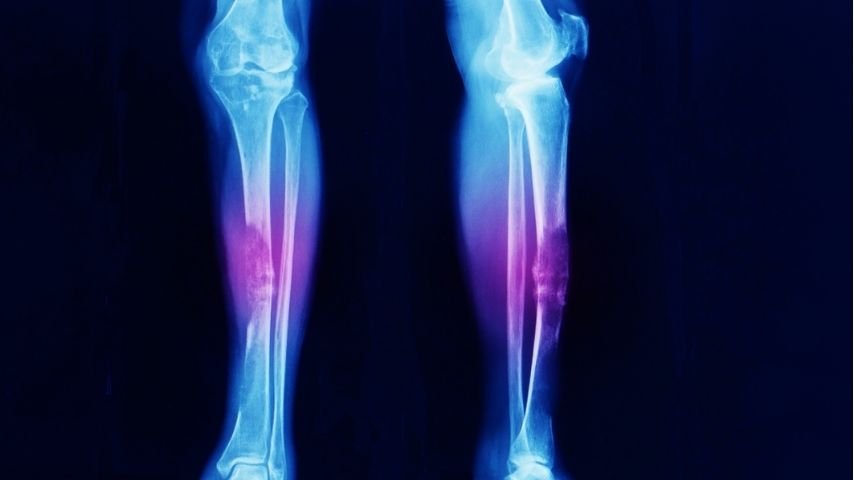
Bone sarcomas start inside the bone itself. They often affect long bones of the arms or legs, but they can also develop in the pelvis, spine, or ribs. Because bones provide structure and strength, tumors inside them behave differently from those in soft tissue.
Bone sarcomas are more likely to cause pain, swelling, or even fractures because they weaken the bone from within. Surgery must therefore address not only cancer removal but also the mechanical stability of the skeleton. This makes bone sarcoma surgery more complex and physically demanding in terms of reconstruction and recovery.
Why Location Changes Surgical Planning
The most important reason surgery differs between these two sarcoma types is the tissue surrounding the tumor. Soft tissue tumors are surrounded by muscles and connective tissues that can sometimes be partially removed and reshaped. Bone tumors are surrounded by rigid structures that cannot regenerate easily.
In soft tissue sarcoma, surgeons can often remove affected muscles or tissues and rely on surrounding structures to compensate. In bone sarcoma, removing a tumor often means removing part of the bone itself, which then must be replaced or reinforced to allow the body to function.
Goals of Soft Tissue Sarcoma Surgery
The primary goal in soft tissue sarcoma surgery is to remove the tumor with a wide margin of healthy tissue around it. This margin reduces the chance that microscopic cancer cells are left behind.
Surgeons carefully plan which muscles or tissues can be removed without causing major loss of movement. When necessary, reconstruction helps restore shape or function. Recovery often focuses on rebuilding strength, flexibility, and coordination through rehabilitation.
Soft tissue sarcoma surgery is about balancing cancer control with preserving movement and daily function.
Goals of Bone Sarcoma Surgery
Bone sarcoma surgery focuses on removing the cancer while maintaining the body’s ability to bear weight and move. This often requires removing an entire section of bone rather than shaving away part of it.
Once bone is removed, reconstruction becomes essential. Surgeons may use metal implants, bone grafts, or specialized prosthetic devices to restore stability. This rebuilding process is a central part of bone sarcoma surgery and shapes both recovery time and long-term outcomes, influencing overall Sarcoma Surgery Recovery Time.
Why Recovery Feels So Different
Recovery after soft tissue sarcoma surgery depends largely on how much muscle or connective tissue was removed. Patients may experience weakness, stiffness, or limited range of motion that gradually improves with therapy.
Bone sarcoma recovery usually takes longer. Bone healing is slow, and reconstructed areas need time to integrate and stabilize. Patients may need to limit weight-bearing or movement for extended periods. This slower recovery often surprises patients who expected quicker improvement.
Pain and Healing Expectations
Pain after soft tissue sarcoma surgery is often related to muscle healing and scarring. It may fluctuate with movement and physical therapy but usually improves steadily.
Bone sarcoma surgery often causes deeper, more persistent pain related to bone healing and implants. Pain control and patience are important during this phase. Understanding these differences helps patients interpret their recovery experience without unnecessary fear.
Limb-Sparing Surgery in Both Types
Limb-sparing surgery aims to remove cancer while preserving the arm or leg. In soft tissue sarcoma, this is often possible because muscles can be partially removed while maintaining overall limb function.
In bone sarcoma, limb-sparing surgery depends on whether the bone and nearby joints can be safely reconstructed. Advances in surgical techniques have made limb preservation possible for many patients, forming the basis of discussions around Limb-Sparing Surgery vs Amputation in Sarcoma, but it remains a complex decision that depends on tumor size, location, and response to treatment.
When Amputation Is Considered
Amputation is now much less common but still necessary in some cases. In soft tissue sarcoma, it may be required if the tumor surrounds critical nerves or blood vessels. In bone sarcoma, it may be needed if reconstruction cannot provide a stable or safe limb.
These decisions are never taken lightly. They are made to ensure complete cancer removal and long-term safety, not because other options were ignored.
Differences in Additional Treatments
Soft tissue sarcoma surgery is often combined with radiation therapy to reduce local recurrence risk. Bone sarcoma surgery is more commonly combined with chemotherapy, sometimes before and after surgery.
These differences exist because soft tissue and bone sarcomas respond differently to treatments. Patients are often confused when they see others with sarcoma receiving different therapies, but this variation reflects biology, not severity.
Why Misunderstanding Causes Anxiety
Patients frequently feel alarmed when their treatment looks very different from others with sarcoma. Without understanding the type of sarcoma involved, these differences can feel frightening.
Clear explanation early helps patients understand that different approaches are expected and appropriate. This knowledge reduces anxiety and builds trust in the care plan.
How Imaging Guides Surgery
Imaging plays a critical role in both types of surgery. Soft tissue sarcoma surgery relies heavily on MRI to map how the tumor spreads through muscle planes. Bone sarcoma surgery uses MRI and specialized scans to assess bone involvement and joint integrity.
These imaging differences directly influence surgical decisions and outcomes. Patients often underestimate how much planning happens before surgery.
Functional Outcomes After Surgery
After soft tissue sarcoma surgery, patients may notice muscle fatigue, strength loss, or coordination challenges. With rehabilitation, many regain good function.
After bone sarcoma surgery, patients may face permanent changes in movement or activity level, especially if joints are involved. These long-term effects are not a failure of treatment but a consequence of structural change.
Long-Term Monitoring and Follow-Up
Both types of sarcoma require long-term follow-up, but the focus differs. Soft tissue sarcoma follow-up often emphasizes local recurrence and lung monitoring. Bone sarcoma follow-up also includes monitoring implants and bone health.
Understanding why follow-up plans differ helps patients stay engaged without unnecessary worry.
Why Specialist Experience Matters
Sarcoma surgery is complex, and experience matters greatly. Surgeons who regularly treat sarcoma understand how to plan margins, reconstruction, and rehabilitation.
Outcomes are generally better when surgery is performed at centers familiar with both soft tissue and bone sarcomas.
What Patients Often Wish They Had Known
Many patients say they wish they had understood earlier why their surgery plan looked different from others. They wish they had been prepared for recovery timelines and functional changes.
Early education reduces shock and helps patients cope more effectively.
How Families Can Support Recovery
Families often expect recovery to follow patterns seen in other cancers. Understanding these differences allows families to offer realistic support and patience.
Informed support makes a meaningful difference during long recoveries.
Why Sarcoma Stories Differ So Much
Sarcoma is not one disease. Treatment experiences vary widely based on type, location, and biology.
Comparing experiences without understanding these differences can be misleading and distressing.
Conclusion: Understanding the Difference Changes the Journey
Soft tissue and bone sarcoma surgeries differ because the tissues involved behave differently and heal differently. These differences affect surgical planning, recovery, and long-term outcomes.
Understanding this distinction early helps patients and families set realistic expectations and participate confidently in care decisions.
If you or a loved one has been diagnosed with sarcoma, ask whether it is a soft tissue or bone sarcoma and how that affects surgery, recovery, and long-term function. Clear understanding early can make the journey more manageable.
References and Sources
Soft Tissue Sarcoma (National Cancer Institute)