Myomectomy and Future Fertility: What You Should Know Before Going Ahead

Medicine Made Simple Summary
If you have fibroids and are thinking about pregnancy, myomectomy can feel like a hopeful and frightening decision at the same time. While this surgery can improve fertility by restoring the shape and function of the uterus, it does not guarantee pregnancy. The result depends on where your fibroids are, your age, overall reproductive health, and how well the uterus heals after surgery. This article explains how fibroids affect conception, when myomectomy helps, when it may not, what risks exist, how long you should wait before trying, and what realistic expectations you should have.
For many women, the uterus represents far more than a body part. It represents possibility. It represents future plans. It holds emotional meaning alongside medical importance. When fibroids enter the picture, that sense of certainty often disappears. Suddenly, words like fertility, surgery, and risk become part of everyday thoughts. Myomectomy enters the conversation as a medical option, but to a woman, it is often a personal crossroads.
Understanding how fibroids impact pregnancy and how myomectomy changes the equation is essential before making any decision that involves your reproductive future. Let us explore this honestly, gently, and clearly.
How Fibroids Interfere With Fertility
Fibroids do not reduce fertility in the same way for everyone. Their effect depends primarily on location, not size. A small fibroid in the wrong place can be more problematic than a large fibroid sitting quietly on the outside of the uterus.
Fibroids that grow inside the uterine cavity can prevent fertilised eggs from implanting properly. They can also reduce blood flow to the uterine lining, making the environment unsuitable for a growing embryo. Some fibroids block the opening of fallopian tubes and prevent sperm from reaching the egg. Others distort the uterus so severely that pregnancy cannot be supported.
Fibroids also increase inflammation. Chronic inflammation changes the natural hormonal environment of the uterus and interferes with implantation. In some women, fibroids cause repeated miscarriage because the uterus cannot expand evenly or nourish the pregnancy properly.
Not every woman with fibroids will struggle to conceive. Many women carry pregnancies without complications. However, if fibroids are located in critical areas within the uterus, they may quietly reduce the chance of pregnancy long before symptoms appear.
When Myomectomy Can Improve Pregnancy Chances
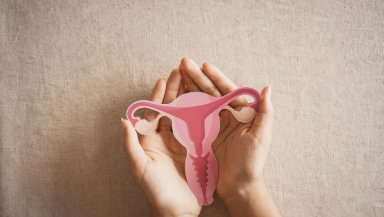
Myomectomy removes fibroids while keeping the uterus. When fibroids are the main obstacle to pregnancy, removing them can significantly improve outcomes.
Restoring the normal shape of the uterus allows implantation to occur more easily. Improving blood flow increases the chance of sustaining early pregnancy. Opening blocked fallopian tubes improves the pathway for sperm and eggs to meet. Reducing uterine inflammation creates a healthier environment for embryos.
Women who benefit most from fertility improvement after myomectomy include those whose fibroids:
- Grow into the cavity of the uterus
- Distort the uterine shape
- Block fallopian tube openings
- Are linked with previous miscarriages
- Cause severe bleeding that leads to anemia
In such cases, surgery is not cosmetic. It is corrective.
Myomectomy is most helpful when fertility problems directly relate to fibroid interference. If infertility stems from low egg reserve, poor sperm quality, endocrine disorders, or age-related changes, myomectomy alone may not restore fertility, though it may still improve the chance of assisted reproduction success.
Can Myomectomy Ever Reduce Fertility?
Yes, this is rare but important to acknowledge.
Every surgical procedure has risks. Myomectomy is designed to preserve fertility, but complications can still occur. Scar tissue, known as adhesions, may form inside or outside the uterus. These can interfere with implantation or cause fallopian tubes to stick to nearby structures.
In rare cases, damage to the uterine wall can weaken the uterus. Blood supply may be affected. These risks are greatly reduced when surgery is performed by an experienced specialist, but they cannot be completely eliminated.
This is not a reason to avoid surgery when fibroids are harmful. It is a reason to choose your surgeon wisely.
Surgeon experience is often a more important factor than the type of surgical technology used.
Will My Uterus Always Be Preserved?
Myomectomy is performed precisely to preserve the uterus. However, in extremely rare cases, uncontrolled bleeding during surgery can make hysterectomy unavoidable. This risk is higher when fibroids are unusually large, numerous, or deeply embedded.
It is important to have an open discussion about this possibility before surgery. Fear does not come from knowing the risk. Fear comes from pretending the risk does not exist.
This emergency outcome is uncommon. But awareness creates emotional preparedness.
How Long Should You Wait Before Trying to Conceive?
The uterus needs time to heal.
Doctors usually recommend waiting before trying for pregnancy. The uterine muscle needs to regain strength before it can carry a pregnancy safely.
Waiting times vary depending on surgical depth:
- Three months for superficial repair
- Four to six months for deeper cuts
- Longer in complex reconstruction cases
Impatience can increase the risk of uterine rupture later in pregnancy. Healing cannot be rushed.
A clinician will guide timing based on surgical notes and recovery progress.
Will I Need a C-Section Later?
Not all women require cesarean delivery after myomectomy. However, many are advised to deliver through C-section when the uterine wall has been deeply incised.
This decision depends on the type of incision and extent of repair. C-section reduces the risk of uterine rupture during labour and protects both mother and baby.
This is not failure. It is caution.
Does Surgical Method Affect Fertility Outcomes?
Technique influences recovery but not necessarily fertility success.
Hysteroscopic removal is the least invasive and carries the lowest risk of scarring. Laparoscopic and robotic surgery offer precision and small incisions. Open surgery allows comprehensive removal when fibroids are complex.
What matters most is how well the uterus is reconstructed.
A carefully repaired uterus is more important than whether a robot or scalpel was used.
Age Still Matters
Myomectomy can restore uterine conditions. It cannot reverse aging.
A woman’s egg reserve naturally declines with age. For women over 35, surgery may remove physical obstacles but cannot restore egg quality.
Doctors may recommend fertility evaluation before surgery in older women. In certain cases, egg freezing may be advised.
Fertility preservation should be discussed early.
Can IVF Be Done After Myomectomy?
Yes, and often with better results.
If fibroids were interfering with implantation, removing them improves IVF success. Uterine healing is evaluated before embryo transfer to confirm safety.
Myomectomy does not prevent assisted reproduction. It prepares for it.
Emotional Impact of Fertility Decisions
Surgery is a physical experience. Fertility anxiety is emotional and persistent.
Some women expect immediate results and feel crushed when pregnancy does not happen quickly. Others struggle with fear of miscarriage. Some grieve silently when outcomes do not go as hoped.
This emotional burden deserves attention.
Counseling, support from loved ones, and honest conversations help.
Your worth is not measured in months or test results.
When Surgery “Works” for Fertility
For many women, myomectomy delivers powerful change.
- Periods become lighter.
- Pain disappears.
- Energy returns.
- Uterine shape improves.
- Pregnancy becomes possible.
- For other women, assisted reproduction remains necessary.
Both paths matter. Both deserve respect.
Conclusion
Myomectomy is not magic. It is medicine. It corrects structural problems. It does not rewrite biology. The best decision is an informed one.
If fertility matters to you, make it a central part of your surgical consultation. Ask hard questions. Review your options carefully. Combine medical planning with emotional support. Fertility decisions shape lives and deserve serious attention.
References and Sources
Cleveland Clinic – Myomectomy Procedure