What’s a Hysterectomy — and When Is It Medically Necessary?

Medicine Made Simple Summary
A hysterectomy is a surgery to remove the uterus, the organ where periods come from and where a baby grows. It is usually done only when serious problems such as heavy bleeding, fibroids, cancer, infection, or long-term pelvic pain cannot be controlled with medicines or simpler treatments. After surgery, periods stop permanently and pregnancy is no longer possible. In some cases, the ovaries are also removed, which may cause early menopause. This guide explains in easy language why hysterectomy is done, what the surgery involves, and what life looks like after recovery.
What Exactly Is a Hysterectomy?
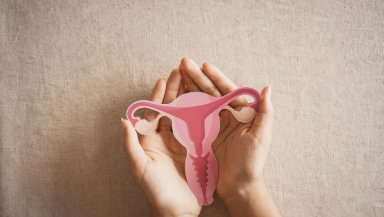
A hysterectomy is a medical operation where a woman’s uterus is removed from the body. The uterus is also called the womb. It is responsible for menstruation and for carrying a pregnancy. When the uterus is removed, menstrual periods stop permanently and a woman cannot become pregnant.
Hysterectomy is a permanent surgery. That is why doctors only suggest it when all other safer treatments have failed or when the disease is serious.
Other organs may or may not be removed along with the uterus. This depends on the disease and the woman’s age and health condition.
The organs involved include:
- Uterus: Main organ removed
- Cervix: Lower part of uterus, may or may not be removed
- Ovaries: Produce hormones, may be preserved or removed
- Fallopian tubes: Carry eggs to the uterus, often removed with ovaries
Every hysterectomy is planned carefully based on medical need.
Why Do Doctors Recommend a Hysterectomy?
A hysterectomy is not the first line of treatment for most problems. Doctors usually start with medicines, injections, hormone therapies, or minor procedures. Surgery is considered only when symptoms are severe, life-limiting, or dangerous.
The main goal of hysterectomy is to:
- Remove the cause of illness completely
- Stop ongoing pain or bleeding
- Prevent serious disease from spreading
- Improve quality of life
Common reasons include:
- Uncontrolled menstrual bleeding
- Uterine fibroids
- Endometriosis or adenomyosis
- Uterine prolapse
- Cancer or precancer
- Recurrent infections
For many women, hysterectomy ends years of suffering.
Heavy or Irregular Menstrual Bleeding
Some women suffer from bleeding that lasts too long or is too heavy. This may continue for years and does not improve with medication. Constant blood loss leads to weakness and low iron levels in the body.
Signs that bleeding may require surgery:
- Soaking a pad every hour
- Bleeding longer than 7 days
- Passing large blood clots
- Severe tiredness
- Breathlessness
- Low haemoglobin
- Frequent hospital visits
If bleeding is so heavy that daily life becomes difficult and treatment fails, hysterectomy becomes a serious medical option rather than a choice.
Fibroids: The Most Common Reason
Fibroids are non-cancerous lumps that grow in the muscle of the uterus. Some women never know they have fibroids. Others experience severe problems depending on size and number.
Fibroids can cause:
- Heavy or painful periods
- Abdominal swelling
- Frequent urination
- Pain during sex
- Iron deficiency
- Pressure on bladder or bowel
When fibroids grow too big or refuse to shrink with treatment, hysterectomy is sometimes the only permanent cure. It removes the disease entirely, not just the symptoms.
Endometriosis and Adenomyosis
Both conditions are related to abnormal growth of uterus tissue.
In endometriosis, tissue grows outside the uterus.
In adenomyosis, tissue grows inside the uterine muscle.
These conditions cause:
- Severe cramps
- Back pain
- Painful intercourse
- Heavy periods
- Pain during bowel movement
- Chronic fatigue
When medications and smaller procedures stop working, hysterectomy can reduce constant pain and improve life quality.
Uterine Prolapse
Uterine prolapse happens when the uterus slips downward because supportive muscles become weak. This usually happens after multiple childbirths or due to aging.
Common complaints:
- Bulge from vagina
- Difficulty standing for long periods
- Bladder control problems
- Discomfort during walking
- Pelvic heaviness
Exercises and support devices work only in early stages. Surgery is needed when prolapse becomes advanced.
Cancer and Pre-Cancer Conditions
Hysterectomy is a life-saving procedure in many cancers involving the reproductive system.
It is commonly done for:
- Uterine cancer
- Cervical cancer
- Ovarian cancer
In some women, abnormal test results indicate very high cancer risk even before cancer forms. In such cases, hysterectomy is done as a preventive measure.
Types of Hysterectomy Explained Simply
Not all hysterectomies remove the same organs.
Partial hysterectomy:
- Uterus removed
- Cervix remains
Total hysterectomy:
- Uterus and cervix removed
Hysterectomy with oophorectomy:
- Uterus and ovaries removed
Radical hysterectomy:
- Uterus, tissues, and lymph nodes removed
- Done mainly for cancer
Your doctor should clearly explain what will be removed and why.
How Is Hysterectomy Surgery Done?
There are three main surgical methods.
Abdominal hysterectomy:
- Open surgery
- Used for large fibroids or cancer
- Longer recovery
Vaginal hysterectomy:
- No visible scar
- Faster healing
- Suitable for prolapse
Laparoscopic or robotic hysterectomy:
- Small cuts
- Less pain
- Shorter hospital stay
Doctors select the method that is safest for your condition.
What Happens to Hormones After Surgery?
Hormonal changes depend on ovaries.
If ovaries are kept:
- Menopause does not occur immediately
- Hormones function normally
If ovaries are removed:
- Menopause starts suddenly
- Hot flashes
- Mood changes
- Vaginal dryness
- Sleep issues
Doctors may suggest hormone replacement therapy when required.
Will Pain Go Away After Hysterectomy?
Pain relief depends on cause.
Pain often improves when:
- Fibroids caused pressure
- Adenomyosis was present
Pain may remain when:
- Endometriosis exists elsewhere
- Nerve damage existed before surgery
Doctors explain realistic outcomes based on diagnosis.
Recovery After Surgery
Recovery takes time. Even when you feel fine outside, inside healing continues for weeks.
General timeline:
- Hospital stay: 1–4 days
- First two weeks: Rest essential
- Light walking is encouraged
- Avoid lifting for 6–8 weeks
- Return to desk work after a month
- Full recovery by three months
Fatigue is normal. Healing should not be rushed.
Physical and Emotional Changes After Hysterectomy
Physical changes:
- No periods
- No pregnancy
- Fewer cramps
- Improved energy
- Relief from pain
- Better bladder function
Emotional changes:
- Feeling relieved
- Anxiety about body image
- Sadness for fertility loss
- Mood changes
Emotional healing is part of physical healing.
Mental Health After Surgery
Some women feel free. Others grieve. Both are normal.
Common emotional reactions include:
- Fear
- Relief
- Loss
- Confidence
- Worry
- Hope
Talking and counseling help recovery.
Risks and Possible Complications
Like any surgery, hysterectomy has risks.
Possible issues include:
- Infection
- Bleeding
- Blood clots
- Anaesthesia side effects
- Early menopause
- Bone loss if ovaries removed
Doctors monitor closely to prevent problems.
Is Hysterectomy Always Avoidable?
Not always.
Alternatives may include:
- Hormonal therapy
- Minor procedures
- Lifestyle changes
- Pain management
But when symptoms persist, surgery protects long-term health.
When Should You Seriously Consider Hysterectomy?
Consider surgery if:
- Medicines no longer help
- Pain controls your routine
- Anaemia becomes severe
- Cancer risk exists
- Life quality falls significantly
A second medical opinion is welcome.
Does Hysterectomy Shorten Life?
No. It often improves lifespan. Cancer surgeries may save life. Menopause side effects are treatable.
Conclusion
Hysterectomy is not failure. It is treatment. It often marks the end of suffering and the beginning of comfort. With good medical advice and support, women return to active, healthy lives.
If you are facing hysterectomy, don’t suffer silently. Speak with a gynecologist. Ask questions. Understand your body. The right decision can change your life for the better.
References and Sources