What Exactly Is a Myomectomy — and When Do Doctors Recommend It?

Medicine Made Simple Summary
A myomectomy is a surgery that removes uterine fibroids while keeping the uterus intact. Fibroids are common, non-cancerous growths that can cause heavy bleeding, pain, bloating, and fertility problems. Doctors recommend myomectomy when symptoms affect daily life, when fibroids grow rapidly, or when a woman wishes to preserve her uterus or future fertility. The procedure can be done in different ways depending on fibroid size and location. This guide explains what myomectomy is, who needs it, how it’s done, recovery realities, risks, and when it’s the right choice.
Let’s Start With the Basics: What Are Fibroids?
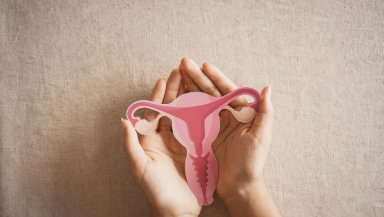
Fibroids are growths that form in or around the uterus. The uterus is the muscular organ where a baby grows during pregnancy. Fibroids are not cancer. They are medically called “uterine fibroids” or “leiomyomas.” Many women have fibroids at some point in their lives. Some never even know it. Others feel the effects every day.
Fibroids grow from the muscle wall of the uterus. They can be as small as a pea or as large as a watermelon. Some women have one fibroid. Others have many.
The trouble starts when fibroids cause symptoms. The most common ones include very heavy menstrual bleeding, long periods that do not stop, pain in the lower abdomen or back, pressure in the bladder that makes you pass urine often, constipation, bloating that looks like weight gain, pain during intercourse, difficulty getting pregnant, or repeated miscarriages. These symptoms can slowly take over everyday life.
Many women go years thinking pain and heavy bleeding are “normal.” They are not. Fibroids are treatable.
So What Is a Myomectomy?
A myomectomy is a surgical procedure that removes fibroids from the uterus without removing the uterus itself.
This is important. In a hysterectomy, the uterus is removed completely. In a myomectomy, the uterus stays.
Doctors recommend myomectomy when the goal is to remove fibroids and also preserve fertility or the uterus. This makes myomectomy a preferred option for women who want to have children later or who emotionally or medically want to keep their uterus.
It is not a cosmetic operation. It is a medical one done to reduce symptoms and improve health.
Why Would Someone Need a Myomectomy?
Not all fibroids need surgery. Many fibroids are small and silent. But doctors consider myomectomy when fibroids start to interfere with life.
Here are the main reasons doctors recommend it.
- If periods are extremely heavy and keep coming earlier than expected, myomectomy may be advised. Severe bleeding can cause anemia, which makes you feel weak, dizzy, tired, or breathless.
- If pain is constant or worsening, especially pain that does not go away with medicines, surgery may be needed.
- If fibroids press on the bladder or bowel, causing frequent urination or difficulty passing stool, doctors may suggest removing them.
- If a woman is unable to conceive or has repeated pregnancy loss and fibroids are found in the uterus, myomectomy may improve chances of pregnancy.
- If fibroids grow rapidly or cause concern about other conditions, doctors may recommend removal.
- If fibroids change the shape of the uterus, causing discomfort or bloating that does not reduce even after weight loss.
- If fibroids are large enough to be felt from outside the abdomen.
Every case is different. Doctors look at symptoms, scan reports, age, plans for pregnancy, overall health, and personal choice before suggesting surgery.
Types of Myomectomy: How Is It Done?
There is no single way to do a myomectomy. The method depends on where the fibroids are located and how many there are.
The uterus is like a thick muscle balloon. Fibroids can grow inside the cavity, within the wall, or outside the uterus. Where they grow determines the surgical approach.
Hysteroscopic myomectomy is done for fibroids that grow inside the uterus. A thin camera is passed through the vagina and cervix into the uterus. There is no cut on the stomach. The fibroids are shaved or removed through the same route. Recovery is fast.
Laparoscopic myomectomy is done using small cuts on the abdomen. A camera and surgical tools are passed through tiny openings. Fibroids are removed and taken out through small incisions. Pain and hospital stay are usually less compared to open surgery.
Robotic myomectomy is similar to laparoscopy but uses robotic arms controlled by the surgeon. This allows very precise movement, useful in complex cases with deeper fibroids.
Open myomectomy is also called abdominal myomectomy. It is done through a larger cut, usually like a cesarean section scar. This is used when fibroids are very large, too many in number, or deeply buried in the uterus. Recovery takes longer.
The doctor will explain which method suits you best. There is no “one size fits all” approach.
How Does a Doctor Decide Which Type Is Right?
Doctors look at imaging scans like ultrasound or MRI to map fibroids. They study size, count, location, and depth.
- If fibroids are few and small, a minimal approach is chosen.
- If the uterus looks like a bag full of stones, open surgery might be safer.
- If fibroids are inside the cavity, hysteroscopy works best.
The surgeon also considers blood loss risk, prior surgeries, pregnancy goals, and how complex the removal might be.
You should always ask your doctor why a specific method is suggested. Good doctors explain.
Is Myomectomy Painful?
Pain is a common worry. Every surgery involves discomfort, but modern pain control makes recovery easier than people imagine.
- After hysteroscopic surgery, discomfort is usually mild.
- After laparoscopic or robotic surgery, pain is like muscle soreness.
- After open surgery, pain is more in the first few days but reduces steadily.
- Pain medicines, rest, walking early, and proper care make healing smoother.
Most women say the pain after surgery is far less than the pain they lived with before.
What Is Recovery Really Like?
Recovery depends on the type of surgery.
- After hysteroscopic myomectomy, many women go home the same day and resume normal activity in a few days.
- After laparoscopic or robotic surgery, return to routine may take two to three weeks. Some tiredness lasts longer.
- After open surgery, the body needs six to eight weeks to heal fully. You may feel fatigue, tightness, and slower movement initially.
- Bleeding after surgery is usually light.
- Emotionally, some women feel relief. Others may feel anxious or low for a few days. This is normal.
Your doctor will guide you on bathing, walking, diet, and sexual activity.
What matters most is pacing yourself. Healing is not a race.
Can Fibroids Come Back After Myomectomy?
Yes, fibroids can come back. That is because myomectomy removes existing fibroids but does not stop the body from forming new ones.
Younger women and those with multiple fibroids have higher chances of recurrence.
Some women never get fibroids again.
Others may need medicines, repeat surgery, or alternative treatments later.
Myomectomy does not guarantee a lifetime cure. But it gives relief.
What About Pregnancy After Myomectomy?
Many women undergo myomectomy to improve fertility.
If fibroids were blocking the uterus or preventing implantation, your chances may improve after surgery.
However, surgeons sometimes cut deep into the uterus to remove fibroids. The uterus is stitched carefully. Healing takes time.
Doctors often advise waiting three to six months before trying to conceive.
Some women may be advised cesarean delivery later, depending on the depth of the surgical cuts.
Many women go on to have successful pregnancies after myomectomy. But there is no promise. Fertility also depends on age, hormones, and partner health.
What Are the Risks?
Every surgery carries risk. It is better to know them clearly.
Possible risks include infection, bleeding, blood transfusion, scar tissue inside the abdomen, injury to nearby organs like bladder or bowel, and rare need for emergency hysterectomy if bleeding cannot be controlled.
There is also a small risk of uterine rupture in future pregnancy if the uterine wall was cut deeply.
Doctors take many steps to reduce these risks. Accurate imaging, blood preparation, skilled surgeons, and proper post-operative care lower complications.
Ask your surgeon about your personal risk profile. It varies by case.
Myomectomy vs Hysterectomy: What’s the Difference?
A hysterectomy removes the uterus completely. Pregnancy is not possible after that.
A myomectomy keeps the uterus.
Hysterectomy is final. Myomectomy is preserving.
Doctors may suggest hysterectomy in women who do not wish for future pregnancy, have very large fibroids, or fibroids keep returning.
Some women emotionally need time to accept removal of the uterus. Myomectomy offers an option where possible.
This is a deeply personal decision. There is no right or wrong. Only informed choice.
Are There Non-Surgical Options?
Yes, in some cases.
- Medicines that control hormones can shrink fibroids temporarily.
- IUDs can reduce bleeding.
- Uterine artery embolization cuts blood supply to fibroids.
- MRI-guided ultrasound uses heat to destroy fibroids.
- These options may not suit everyone. Some are not suitable for women planning pregnancy.
Your doctor will help decide.
Surgery is advised when these options do not help or are unsuitable.
When Should You Speak to a Doctor?
Do not wait until pain becomes unbearable.
See a doctor if bleeding is soaking pads every hour. If pain wakes you up at night. If periods control your life. If your stomach continues to swell despite weight loss. If pregnancy is not happening despite trying. If you feel constantly tired or weak.
Early evaluation makes treatment easier.
How Should You Prepare for a Myomectomy?
Mental readiness is as important as physical preparation.
Ask questions.
- Understand why surgery is advised.
- Request imaging explanation.
- Discuss fertility plans.
- Ask about hospital stay.
- Know recovery expectations.
- Correct anemia before surgery if present.
- Ensure support at home.
- Avoid panic searching online. Your case is unique.
Conclusion
A myomectomy is not just about removing fibroids. It is about giving your body a chance to function without burden. It is about reclaiming comfort, confidence, and health. For many women, it is life-changing. If fibroids are quietly stealing your energy, do not let silence decide for you.
Talk to a specialist.
If you or someone you love is dealing with fibroids, don’t self-diagnose and don’t delay. Consult a gynecologist who listens and explains. An ultrasound is simple. Clarity is powerful. The right decision starts with the right conversation.
References and Sources
Cleveland Clinic – Myomectomy Procedure