Beyond Medication: Advanced Epilepsy Treatments, Surgical Options & Seizure Freedom Pathways
Medicine Made Simple
For many people with epilepsy, medicines successfully control seizures and allow them to live normal lives. However, some patients continue to experience seizures despite taking the right medications. This condition is called drug-resistant epilepsy. The good news is that treatment options have advanced significantly over the last two decades. Today, specialized epilepsy centers offer detailed evaluation, advanced imaging, epilepsy monitoring units, minimally invasive procedures, epilepsy surgery, and neurostimulation therapies such as VNS and RNS. Understanding these options can help patients and families make informed decisions and move closer to seizure control or even seizure freedom.
Understanding Epilepsy
Epilepsy is one of the most common neurological disorders worldwide.
It affects people of all ages, from newborn babies to older adults.
The condition is characterized by recurrent seizures that occur because of abnormal electrical activity in the brain.
A seizure can appear very different from one person to another.
- Some people experience dramatic convulsions involving the whole body.
- Others may simply stare blankly for a few seconds, become confused, experience unusual sensations, or temporarily lose awareness.
Because seizures can vary so much, epilepsy is often misunderstood.
Many patients assume that all seizures are the same. In reality, epilepsy is a group of conditions with different causes, different seizure types, and different treatment approaches.
The encouraging news is that modern epilepsy care has improved dramatically. Many patients can achieve excellent seizure control, and some may even become completely seizure-free.
Why Seizure Control Matters
A seizure is more than a temporary event.
Frequent seizures can affect almost every aspect of life.
They may interfere with:
- Education
- Employment
- Driving
- Relationships
- Physical safety
- Mental health
- Independence
Many patients describe living with uncertainty.
They may constantly worry about when the next seizure will occur.
This fear can affect confidence and quality of life.
Repeated seizures can also increase the risk of injuries, accidents, cognitive difficulties, and emotional stress.
This is why neurologists focus not only on reducing seizures but on helping patients achieve the highest possible quality of life.
The First Step: Medication Treatment
For most newly diagnosed patients, treatment begins with anti-seizure medications.
These medicines work by stabilizing electrical activity in the brain and reducing the likelihood of seizures.
Today, doctors have access to many effective medications.
Treatment is personalized based on factors such as:
- Age
- Type of seizure
- Underlying cause
- Other medical conditions
- Lifestyle needs
The good news is that approximately two-thirds of people with epilepsy achieve good seizure control with medication alone.
For these patients, medicines may be all that is needed.
However, not everyone responds this way.
What Is Drug-Resistant Epilepsy?
Drug-resistant epilepsy is diagnosed when seizures continue despite trying at least two appropriately selected anti-seizure medications at adequate doses.
This does not mean the patient has failed treatment.
It simply means the brain is not responding adequately to medication alone.
Unfortunately, many patients spend years trying different medications without realizing that additional treatment options are available.
This delay can have serious consequences.
Ongoing seizures can affect learning, memory, employment, social functioning, and long-term health.
Experts now recommend that patients with drug-resistant epilepsy be evaluated at a specialized epilepsy center as early as possible.
Signs You May Need Advanced Epilepsy Treatment
Consider discussing advanced evaluation with your neurologist if:
- Seizures continue despite medication
- Seizures are becoming more frequent
- Medication side effects are difficult to tolerate
- Daily activities are significantly affected
- There are concerns about memory or concentration
- Injuries occur during seizures
- A child is experiencing developmental delays related to epilepsy
Early referral can open the door to additional treatment options that may significantly improve outcomes.
Why Specialized Epilepsy Evaluation Is Important
Not all seizures are the same.
Not all epilepsy patients require the same treatment.
Before recommending advanced therapies, specialists need a detailed understanding of the patient's condition.
This often involves comprehensive evaluation at a dedicated epilepsy center.
The goal is to answer several critical questions:
- What type of seizures are occurring?
- Where in the brain do the seizures begin?
- What is causing the seizures?
- Is surgery an option?
- Would neurostimulation therapies help?
Accurate answers allow doctors to create a personalized treatment strategy.
What Happens in an Epilepsy Monitoring Unit?
One of the most important tools in advanced epilepsy care is the Epilepsy Monitoring Unit (EMU).
An epilepsy monitoring unit is a specialized hospital facility designed to record seizures in a controlled environment.
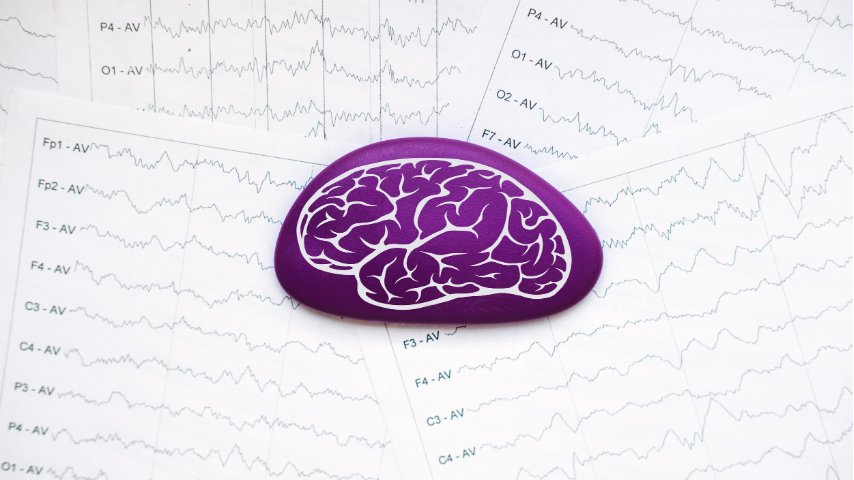
Patients stay in the unit while continuous video and EEG monitoring take place.
This allows doctors to observe:
- Brain wave activity
- Physical seizure behavior
- Seizure triggers
- Exact seizure origin
The information gathered can be invaluable.
In some cases, the monitoring process reveals that events initially thought to be epileptic seizures may actually have another cause.
For patients considering epilepsy surgery, monitoring often plays a crucial role in treatment planning.
Advanced Imaging and Brain Mapping
Modern epilepsy care goes far beyond routine scans.
Specialists may use advanced imaging technologies to identify subtle abnormalities within the brain.
These tests may include:
- High-resolution MRI
- Functional MRI
- PET scans
- SPECT scans
- Magnetoencephalography (MEG)
These technologies help doctors understand how seizures develop and whether a specific area of the brain is responsible.
When surgery is being considered, detailed brain mapping helps ensure important functions such as speech, movement, and memory are protected.
Can Epilepsy Surgery Cure Seizures?
For carefully selected patients, the answer may be yes.
This surprises many people.
When patients hear the word "brain surgery," they often imagine it as a last resort.
In reality, epilepsy surgery is now a well-established treatment option for specific types of drug-resistant epilepsy.
The purpose of surgery is to remove or disconnect the area of the brain responsible for generating seizures.
If seizures consistently originate from a clearly defined location that can be treated safely, surgery may offer the possibility of long-term seizure freedom.
For some patients, surgery provides better outcomes than continuing multiple medications indefinitely.
Who May Be a Candidate for Epilepsy Surgery?
Not everyone with epilepsy requires surgery.
However, candidates often include patients who:
- Have drug-resistant epilepsy
- Have seizures arising from a specific brain region
- Have identifiable abnormalities on imaging
- Continue experiencing seizures despite medications
The decision is never based on a single test.
Instead, a team of specialists reviews all available information before making recommendations.
Understanding Vagus Nerve Stimulation (VNS)
Some patients are not suitable candidates for epilepsy surgery.
Others may continue to experience seizures after surgery.
In these situations, neurostimulation therapies may be considered.
One of the most established options is Vagus Nerve Stimulation (VNS).
A small device is implanted beneath the skin of the chest.
The device sends regular electrical signals through the vagus nerve to the brain.
These signals help reduce seizure frequency and severity.
Benefits of VNS may include:
- Fewer seizures
- Shorter seizures
- Faster recovery after seizures
- Improved quality of life
Results vary among individuals, but many patients experience meaningful improvements.
What Is Responsive Neurostimulation (RNS)?
Responsive Neurostimulation represents one of the most advanced developments in epilepsy treatment.
Unlike VNS, which delivers stimulation at regular intervals, RNS continuously monitors brain activity.
When the system detects abnormal electrical activity that may lead to a seizure, it responds immediately with targeted stimulation.
Think of it as a smart device that actively watches for seizure activity and intervenes before a seizure fully develops.
RNS may be particularly helpful for patients whose seizures originate from areas that cannot be safely removed through surgery.
Deep Brain Stimulation for Epilepsy
Another emerging option is Deep Brain Stimulation (DBS).
This approach involves placing electrodes within specific brain regions that influence seizure activity.
The system delivers controlled electrical stimulation to help reduce seizure frequency.
Although DBS does not cure epilepsy, it may significantly improve seizure control in carefully selected patients.
Advanced Epilepsy Care for Children
Epilepsy in children requires special attention.
Seizures can affect learning, development, behavior, and social growth.
Early diagnosis and treatment are especially important because a child's brain is still developing.
Specialized pediatric epilepsy programs focus on:
- Accurate diagnosis
- Developmental assessment
- Medication management
- Advanced monitoring
- Surgical evaluation when appropriate
- Family education
Some childhood epilepsy syndromes respond exceptionally well to advanced treatment strategies when identified early.
This is why pediatric epilepsy care often involves a multidisciplinary team of neurologists, neurosurgeons, psychologists, therapists, and specialized nurses.
The Emotional Side of Epilepsy
Epilepsy affects more than the brain.
It affects emotions, confidence, relationships, and mental well-being.
Many patients experience:
- Anxiety
- Depression
- Social isolation
- Fear of future seizures
- Reduced self-confidence
Family members may also experience stress and uncertainty.
Comprehensive epilepsy care recognizes these challenges.
Psychological support, counseling, support groups, and patient education play important roles in treatment.
Managing emotional health is just as important as managing seizures.
What Does "Seizure Freedom" Really Mean?
When people hear the phrase seizure freedom, they often assume it means complete cure.
In medicine, seizure freedom generally refers to the absence of seizures over a significant period of time.
For some patients, this may be achieved through medication alone.
For others, surgery or neurostimulation therapies may be required.
Achieving seizure freedom can transform lives.
Patients often experience:
- Greater independence
- Improved education outcomes
- Better employment opportunities
- Enhanced confidence
- Improved mental health
- Greater freedom in daily activities
The journey may be different for every patient, but seizure freedom is an achievable goal for many.
Questions to Ask Your Neurologist
If seizures continue despite treatment, consider asking:
- Is my epilepsy considered drug-resistant?
- Should I undergo evaluation at a specialized epilepsy center?
- Would an epilepsy monitoring unit help clarify my diagnosis?
- Am I a candidate for epilepsy surgery?
- Could VNS, RNS, or DBS be appropriate?
- Are there specialized treatment options for my child?
- What are the realistic expectations for seizure control?
Being informed helps patients participate actively in treatment decisions.
The Importance of Early Referral
One of the biggest mistakes in epilepsy care is waiting too long to seek specialized evaluation.
Research has shown that many patients live with uncontrolled seizures for years before being referred to advanced epilepsy centers.
Earlier evaluation often means:
- Faster diagnosis
- More treatment options
- Better seizure control
- Improved quality of life
If seizures remain uncontrolled despite treatment, it is worth discussing advanced evaluation sooner rather than later.
Conclusion
Epilepsy treatment has evolved far beyond medication alone. While anti-seizure medicines remain highly effective for many patients, advanced options such as epilepsy monitoring, specialized imaging, epilepsy surgery, VNS therapy, RNS therapy, and deep brain stimulation have transformed care for people with drug-resistant epilepsy. Modern treatment pathways offer hope for improved seizure control and, in some cases, complete seizure freedom. The most important step is ensuring that patients receive timely evaluation and access to specialized epilepsy expertise.
If you or a loved one continues to experience seizures despite medication, do not assume that nothing more can be done. Speak with an epilepsy specialist about advanced evaluation, epilepsy monitoring, surgical options, and neurostimulation therapies. Early assessment can open the door to treatments that may significantly improve quality of life and help move closer to seizure freedom.