Dry Mouth Causes: Symptoms, Treatment, and Best Ways to Improve Oral Moisture Naturally
Medicine Made Simple Summary
Quick Summary: Best Ways to Manage Dry Mouth Causes
- Dry mouth happens when the mouth does not produce enough saliva
- Common causes include dehydration, medicines, diabetes, stress, and mouth breathing
- Drinking enough water helps improve moisture naturally
- Sugar-free chewing gum may help stimulate saliva production
- Avoid smoking, alcohol, and excessive caffeine
- Good oral hygiene helps prevent infections and bad breath
- Seek medical help if dry mouth becomes severe or long-lasting
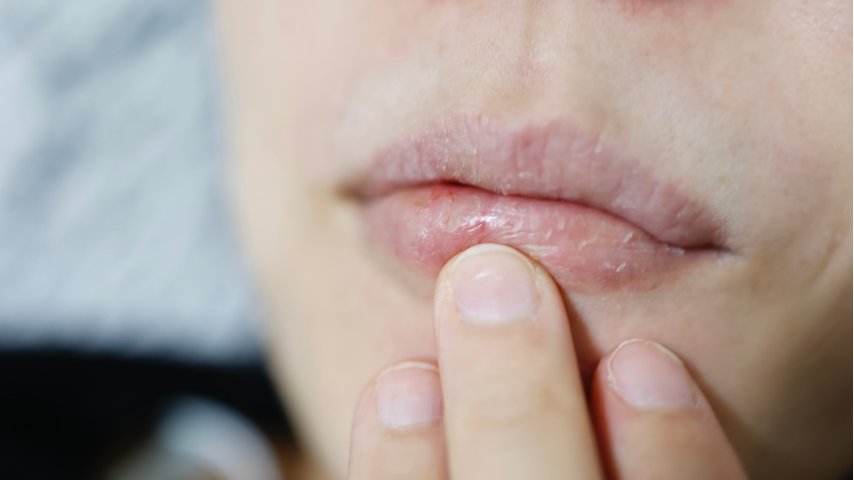
Dry mouth, also called xerostomia, is a common condition where the mouth feels unusually dry because there is not enough saliva. While it may seem like a small issue, saliva plays a major role in keeping the mouth healthy, helping digestion, protecting teeth, and preventing infections.
Many people notice dry mouth as constant thirst, difficulty swallowing, sticky saliva, bad breath, or an unusual taste in the mouth. Sometimes it happens temporarily because of dehydration or stress, while in other cases it may be linked to diabetes, medication side effects, or medical conditions affecting the salivary glands.
Ignoring persistent dry mouth can lead to tooth decay, mouth infections, gum problems, and discomfort during speaking or eating.
In this guide, we’ll explain the common dry mouth causes, symptoms to watch for, treatment options, home remedies, and when medical help becomes necessary.
Let’s begin.
Why Saliva Matters for Oral Health
Saliva is much more important than many people realize. It helps keep the mouth clean, moist, and protected.
Healthy saliva production helps with:
- Easy swallowing
- Better digestion
- Fresh breath
- Protection against tooth decay
- Preventing mouth infections
- Comfortable speaking
- Healthy gums and tongue
When saliva production decreases, the mouth becomes dry, uncomfortable, and more vulnerable to dental problems.
That is why understanding dry mouth causes and treating them early is very important.
Common Dry Mouth Causes
1. Dehydration
This is one of the most common dry mouth causes.
Not drinking enough water reduces saliva production and causes dryness.
Common Triggers
- Hot weather
- Fever
- Vomiting
- Diarrhea
- Heavy sweating
Proper hydration usually improves symptoms quickly.
2. Side Effects of Medicines
Many common medicines can reduce saliva production.
Common Examples
- Allergy medicines
- Blood pressure medicines
- Antidepressants
- Painkillers
- Cold medicines
This is especially common in older adults.
3. Diabetes
High blood sugar levels can cause increased thirst and persistent dry mouth.
Warning Signs
- Frequent urination
- Excessive thirst
- Fatigue
- Blurred vision
Dry mouth may be an early warning sign. It is also worth noting that foamy urine causes such as high protein levels or kidney stress are sometimes associated with unmanaged diabetes and should not be ignored.
4. Mouth Breathing
Breathing through the mouth during sleep or due to nasal blockage can dry the mouth overnight.
This often causes morning dryness and bad breath. A white tongue in the morning alongside dryness may also indicate bacterial buildup or mild dehydration.
5. Stress and Anxiety
Stress affects the nervous system and may temporarily reduce saliva production.
Many people notice dry mouth during anxiety episodes.
6. Smoking and Alcohol
Both smoking and alcohol dry out the mouth and worsen oral discomfort.
They also increase the risk of gum disease.
7. Salivary Gland Problems
Infections, autoimmune diseases, or gland disorders may reduce saliva production significantly. Hormonal conditions such as hyperthyroidism in males can also affect gland function and contribute to persistent mouth dryness.
Medical evaluation is important in such cases.
7 Effective Ways to Relieve Dry Mouth
1. Drink More Water
Hydration is the simplest and most effective treatment.
Best Practice
Sip small amounts of water throughout the day instead of waiting until you feel very thirsty.
This keeps the mouth naturally moist.
2. Chew Sugar-Free Gum
Chewing stimulates saliva production.
Better Choice
Sugar-free gum helps avoid tooth decay while improving moisture.
This is especially helpful after meals.
3. Avoid Smoking and Alcohol
Reducing these habits improves saliva flow and protects oral health.
Smoking especially worsens long-term dryness.
4. Limit Caffeine
Too much coffee, tea, or energy drinks may worsen dryness.
Helpful Tip
Balance caffeine intake with extra water.
Moderation helps.
5. Improve Oral Hygiene
Dry mouth increases the risk of cavities and infections.
Healthy Habits
- Brush twice daily
- Floss regularly
- Use alcohol-free mouthwash
- Regular dental checkups
Clean oral care matters more during dry mouth.
6. Use a Humidifier
Dry air at night can worsen mouth breathing and dryness.
A humidifier may improve nighttime comfort, especially during winter.
7. Treat the Underlying Cause
If diabetes, medication side effects, or gland problems are causing dry mouth, treating the root cause provides the best long-term relief. Low nutrient levels, including vitamin d deficiency, may also affect overall gland health and should be checked during medical evaluation.
Table: Quick Home Remedies for Dry Mouth
| Remedy | How It Helps | Usage Instructions |
|---|---|---|
| Water Intake | Improves moisture | Sip throughout the day |
| Sugar-Free Gum | Stimulates saliva | Chew after meals |
| Oral Hygiene | Prevents infections | Brush and floss daily |
| Humidifier | Reduces nighttime dryness | Use during sleep |
| Avoid Smoking | Protects saliva flow | Reduce or stop smoking |
Symptoms of Dry Mouth Problems
Recognizing symptoms early helps prevent dental complications.
Common Signs Include
- Constant dry feeling in the mouth
- Sticky saliva
- Bad breath
- Difficulty swallowing
- Dry throat
- Cracked lips
- Tongue dryness
- Mouth sores
- Burning sensation
- Difficulty speaking
- Increased thirst
- Tooth sensitivity
Persistent symptoms should not be ignored.
When to Seek Medical Help
Some mild dryness improves quickly, but certain symptoms require professional attention.
Consult a doctor if you experience:
- Dry mouth lasting for weeks
- Difficulty swallowing
- Severe bad breath
- Mouth sores
- Repeated dental problems
- Burning tongue
- Dry mouth with excessive thirst
- Dryness with diabetes symptoms
These may indicate diabetes, infection, medication effects, or gland disorders.
Early diagnosis improves treatment success.
Best Medicines for Dry Mouth
Treatment depends on the underlying cause.
Commonly Recommended Medicines Include
Saliva Substitutes
Artificial saliva products help provide temporary moisture.
Special Mouthwash
Alcohol-free mouth rinses improve comfort and oral health.
Prescription Saliva-Stimulating Medicines
Used in severe cases under medical supervision.
Diabetes Management
Treating high blood sugar improves dryness significantly.
Medication Review
Doctors may adjust medicines causing dry mouth if possible.
Always consult your doctor or dentist before using treatments.
Conclusion
Dry mouth may seem like a small problem, but persistent dryness can affect oral health, digestion, comfort, and confidence. Whether the cause is dehydration, diabetes, medicines, or stress, early care makes a big difference.
Simple habits like better hydration, improved oral hygiene, reducing caffeine, and treating the root cause can provide strong relief. Persistent symptoms should never be ignored.
Taking care of your mouth today helps protect your teeth, gums, and long-term health for the future.
Frequently Asked Questions
What is the most common cause of dry mouth?
Dehydration is one of the most common dry mouth causes.
Can diabetes cause dry mouth?
Yes, dry mouth is a common symptom of high blood sugar and diabetes.
Does stress cause dry mouth?
Yes, anxiety and stress can temporarily reduce saliva production.
Can dry mouth cause bad breath?
Yes, reduced saliva allows bacteria to grow more easily, causing bad breath.
How can I increase saliva naturally?
Drinking water, chewing sugar-free gum, and avoiding smoking can help improve saliva flow.
When should I worry about dry mouth?
If dryness lasts for weeks or causes swallowing problems, medical care is important.