Could It Be Diabetes? Early Signs of Type 1 Diabetes Every Parent Should Know
Medicine Made Simple Summary
Type 1 Diabetes is a chronic autoimmune condition in which the body's immune system mistakenly attacks and destroys the insulin-producing cellis in the pancreas. Without insulin, glucose cannot enter the body's cells for energy and instead builds up in the bloodstream. Diagnosis involves blood glucose testing, HbA1c measurement, urine testing, and sometimes antibody testing to confirm the condition. Early diagnosis is extremely important because untreated Type 1 Diabetes can lead to a serious and potentially life-threatening complication called diabetic ketoacidosis (DKA). Recognizing the early warning signs can help families seek medical attention before complications develop.
Why Parents Often Miss the Early Signs
Most parents know what a fever looks like.
Many can recognize a cough, cold, or stomach infection almost immediately.
Type 1 Diabetes is different.
The early symptoms often appear gradually and can easily be mistaken for normal childhood behavior, growth spurts, hot weather, stress, or minor illnesses.
- A child may start drinking more water than usual.
- They may ask for extra bathroom breaks.
- They may seem tired after school.
- At first, these changes often appear harmless.
The challenge is that these seemingly small symptoms are often the body's way of signaling that blood sugar levels are rising.
Because Type 1 Diabetes can develop quickly, recognizing these early warning signs can make a significant difference in preventing serious complications.
What Is Type 1 Diabetes?
To understand the symptoms, it helps to first understand what Type 1 Diabetes is.
The body uses glucose, commonly called blood sugar, as its main source of energy.
Glucose comes from food and travels through the bloodstream to reach cells throughout the body.
For glucose to enter the cells, the body needs a hormone called insulin.
Insulin is produced by the pancreas.
In children with Type 1 Diabetes, the immune system mistakenly attacks the insulin-producing cells in the pancreas.
Over time, these cells are damaged and stop producing enough insulin.
Without insulin, glucose remains trapped in the bloodstream instead of entering the cells where it is needed for energy.
As blood sugar levels rise, symptoms begin to appear.
Why Is Type 1 Diabetes Increasing in Children?
The exact cause of Type 1 Diabetes remains unknown.
Researchers believe it develops because of a combination of genetic and environmental factors.
Importantly, Type 1 Diabetes is not caused by eating too much sugar.
It is not caused by poor parenting.
It is not caused by lack of exercise.
It is an autoimmune condition that can affect children from any background.
In many cases, there is no obvious warning before symptoms begin.
At What Age Can Type 1 Diabetes Develop?
Many people assume diabetes only affects adults.
However, Type 1 Diabetes can occur at almost any age.
It is commonly diagnosed during:
- Early childhood
- School-age years
- Adolescence
Some children develop symptoms before starting school.
Others may not be diagnosed until their teenage years.
Because symptoms can appear at any age, awareness is important throughout childhood.
The Four Classic Warning Signs of Type 1 Diabetes
Doctors often teach families to remember four common warning signs.
These symptoms occur because the body is struggling to manage rising blood sugar levels.
Excessive Thirst
One of the earliest signs is increased thirst.
Children may:
- Constantly ask for water
- Carry water bottles everywhere
- Wake up during the night to drink
- Finish drinks much faster than usual
Parents often assume hot weather or increased physical activity is responsible.
However, persistent and unusual thirst should never be ignored.
Frequent Urination
As blood sugar levels rise, the kidneys try to remove excess glucose through urine.
This causes increased urination.
Parents may notice:
- More frequent trips to the bathroom
- Larger amounts of urine
- Bedwetting in a child who was previously dry at night
- Increased diaper changes in younger children
New-onset bedwetting is a particularly important warning sign that deserves medical attention.
Increased Hunger
Although blood sugar levels are high, the body's cells are unable to access glucose properly.
As a result, the body believes it is starving.
Children may become unusually hungry and ask for food more often.
Some parents are surprised to see their child eating more than usual while simultaneously losing weight.
Unexplained Weight Loss
Weight loss is one of the most concerning symptoms.
Without insulin, the body begins breaking down fat and muscle for energy.
This can lead to noticeable weight loss despite normal or increased food intake.
Parents sometimes attribute weight loss to growth spurts, sports participation, or dietary changes.
However, unexplained weight loss should always be evaluated.
Other Early Symptoms Parents Should Watch For
Not every child presents with the classic symptoms.
Some children develop more subtle signs.
Fatigue and Low Energy
Because glucose cannot enter the cells efficiently, the body struggles to produce energy.
Children may:
- Seem unusually tired
- Lose interest in activities
- Sleep more than usual
- Have difficulty concentrating
Teachers are sometimes the first to notice changes in energy levels and classroom performance.
Irritability and Mood Changes
High blood sugar can affect mood and behavior.
Parents may notice:
- Increased irritability
- Emotional outbursts
- Mood swings
- Reduced patience
These changes are often overlooked because they can resemble normal childhood behavior.
Blurred Vision
High blood sugar can temporarily affect the eyes.
Children may complain that:
- Things appear blurry
- Reading becomes difficult
- Their vision seems different
Because children may not realize their vision has changed, parents may not recognize this symptom immediately.
Frequent Infections
Children with undiagnosed diabetes may experience:
- Recurrent skin infections
- Slow-healing wounds
- Frequent fungal infections
These occur because elevated blood sugar can affect the body's ability to fight infections.
Why Bedwetting Should Never Be Ignored
One of the most frequently discussed topics in parent forums is bedwetting in previously toilet-trained children.
Parents often assume emotional stress, deep sleep, or behavioral factors are responsible.
However, new-onset bedwetting can be one of the earliest signs of Type 1 Diabetes.
If a child who has been dry at night for months or years suddenly begins wetting the bed again, especially alongside increased thirst, medical evaluation should be considered promptly.
What Happens If Type 1 Diabetes Is Missed?
When Type 1 Diabetes remains undiagnosed, blood sugar levels continue rising.
Eventually, the body begins breaking down fat for energy.
This process produces substances called ketones.
As ketones accumulate, a serious condition known as Diabetic Ketoacidosis (DKA) can develop.
What Is Diabetic Ketoacidosis?
DKA is a medical emergency.
It occurs when the body lacks sufficient insulin and begins producing large amounts of ketones.
Symptoms may include:
- Severe thirst
- Vomiting
- Abdominal pain
- Rapid breathing
- Fruity-smelling breath
- Extreme fatigue
- Confusion
Without treatment, DKA can become life-threatening.
Many children are first diagnosed with Type 1 Diabetes after presenting with DKA.
Recognizing symptoms earlier can help prevent this complication.
When Should Parents Seek Medical Attention?
Parents should arrange prompt medical evaluation if a child develops:
- Excessive thirst
- Frequent urination
- Increased hunger
- Unexplained weight loss
- New-onset bedwetting
- Persistent fatigue
- Unusual behavioral changes
Even if symptoms seem mild, it is better to have them assessed than to wait.
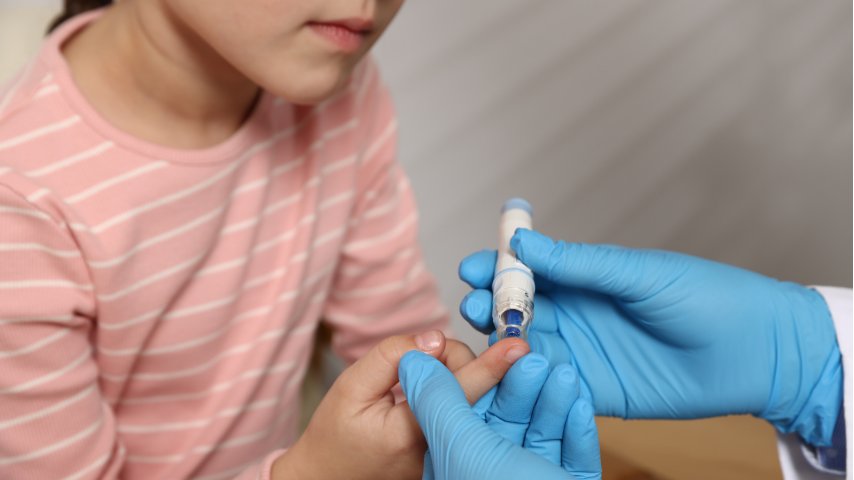
A simple blood glucose test can often provide important answers.
How Is Type 1 Diabetes Diagnosed?
Diagnosis is usually straightforward.
A healthcare provider may recommend:
Blood Glucose Testing
This measures current blood sugar levels.
HbA1c Testing
HbA1c reflects average blood sugar levels over the previous two to three months.
Urine Testing
Urine tests can detect glucose and ketones.
Autoantibody Testing
These tests help confirm the autoimmune nature of Type 1 Diabetes.
Together, these investigations help establish the diagnosis and guide treatment.
What Happens After Diagnosis?
A diagnosis of Type 1 Diabetes can feel overwhelming.
Many parents immediately worry about:
- Daily life
- School
- Sports
- Future health
- Long-term complications
The good news is that modern diabetes care has improved dramatically.
With appropriate treatment and support, children with Type 1 Diabetes can:
- Attend school normally
- Participate in sports
- Travel
- Pursue careers
- Lead healthy and active lives
The key is learning how to manage blood sugar effectively.
How Is Type 1 Diabetes Treated?
Because the body can no longer produce sufficient insulin, insulin therapy becomes essential.
Treatment may involve:
- Multiple daily insulin injections
- Insulin pump therapy
- Blood glucose monitoring
- Continuous glucose monitoring systems (CGMs)
- Nutrition planning
Diabetes management becomes part of daily life, but families quickly develop routines and confidence with proper education and support.
Can Type 1 Diabetes Be Prevented?
Currently, there is no proven way to prevent Type 1 Diabetes.
Researchers around the world continue studying why the immune system attacks insulin-producing cells and whether future preventive strategies may become possible.
At present, the most important action parents can take is recognizing symptoms early and seeking prompt medical care.
The Emotional Impact on Families
A diabetes diagnosis affects the entire family.
Parents often experience:
- Fear
- Guilt
- Anxiety
- Confusion
It is important to remember that Type 1 Diabetes is not caused by anything parents did or did not do.
With education, support, and medical guidance, families can successfully manage the condition and help children thrive.
Many families report that after the initial adjustment period, diabetes management becomes a normal part of everyday life.
Conclusion
Type 1 Diabetes can develop quickly, and its early symptoms are often mistaken for common childhood issues.
Excessive thirst, frequent urination, increased hunger, unexplained weight loss, fatigue, and new-onset bedwetting are some of the most important warning signs parents should know.
Recognizing these symptoms early can help prevent serious complications such as Diabetic Ketoacidosis and allow treatment to begin promptly.
If something about your child's thirst, urination, energy levels, or growth seems unusual, trust your instincts and seek medical advice. Early diagnosis of type 1 diabetes can make a significant difference in a child's health and wellbeing.
If your child has been drinking more water than usual, using the bathroom frequently, losing weight unexpectedly, or showing other signs of Type 1 Diabetes, don't ignore these symptoms. Schedule an evaluation with a paediatric endocrinologist or healthcare provider as soon as possible. Early diagnosis and treatment can help prevent complications and support a healthy, active future.
References and Sources
International Society for Pediatric and Adolescent Diabetes (ISPAD)
American Diabetes Association (ADA)
Juvenile Diabetes Research Foundation (JDRF)
Centers for Disease Control and Prevention (CDC)
National Institute of Diabetes and Digestive and Kidney Diseases (NIDDK)