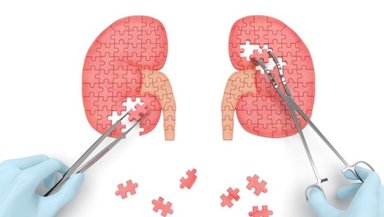
ECIRS Explained Simply: A Patient-Friendly Guide to Endoscopic Combined Intrarenal Surgery
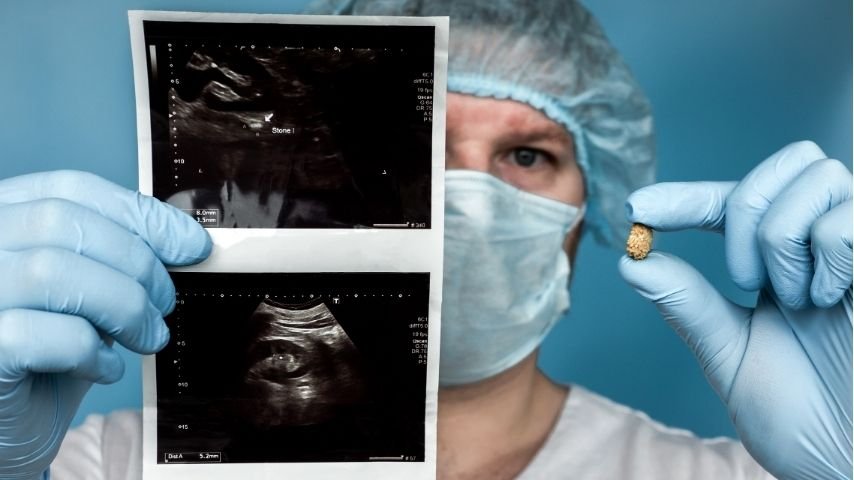
Medicine Made Simple Summary
Endoscopic Combined Intrarenal Surgery, commonly called ECIRS, is a modern kidney stone surgery used for large or complex stones. It combines two approaches at the same time, one through the natural urine passage and one through a small opening in the back. This dual access helps doctors see the stone clearly and remove it more completely. ECIRS often leads to better stone clearance, fewer repeat surgeries, and faster recovery when done in the right patients by experienced teams.
Understanding Kidney Stones from the Ground Up
Kidney stones form when minerals and salts in urine stick together and harden. Small stones may pass naturally and cause pain for a short time. Larger stones are different. They can block urine flow, cause repeated infections, bleeding, and long-lasting pain. Some stones grow into complex shapes that fill parts of the kidney. These are difficult to treat with simple methods.
When stones become large or complicated, breaking them from one direction alone may not be enough. That is where advanced procedures like ECIRS procedure come in.
Suggested image: Diagram showing kidney stone formation inside the kidney.
Why Traditional Treatments Are Sometimes Not Enough
Standard treatments include shock wave therapy, ureteroscopy, and percutaneous nephrolithotomy. Each works well in selected cases. Shock waves may fail for hard or large stones. Ureteroscopy can struggle with stones deep in the kidney. Percutaneous surgery works well but may leave behind fragments when stones are complex.
Patients on forums often describe frustration after multiple procedures that did not fully clear stones. ECIRS procedure was developed to address exactly this problem.
Suggested image: Comparison image showing different kidney stone treatment approaches.
What Exactly Is ECIRS
ECIRS stands for Endoscopic Combined Intrarenal Surgery. It is a technique, not a new machine. The key idea is simple. Two pathways are used at the same time to reach the kidney. One pathway goes up naturally through the urine passage using a flexible scope. The second pathway goes directly into the kidney through a small incision in the back.
By working together, the surgical team can see and treat stones more completely. One scope helps guide the other. Stones hidden in corners are easier to find and remove.
Suggested image: Illustration showing dual access routes to the kidney.
How ECIRS Is Performed Step by Step
The procedure is done under general anesthesia, meaning the patient is fully asleep. First, a thin camera is passed through the urinary passage into the kidney. This allows the surgeon to see the stone from inside. Next, a small opening is made in the back to place another instrument directly into the kidney.
Both views are used together. Stones are broken using laser or other energy sources. Fragments are removed through the most suitable path. This teamwork reduces blind spots and improves precision.
The goal is to clear as much stone as possible in one session.
Suggested image: Step-by-step visual of ECIRS procedure flow.
Who Is Usually Advised ECIRS
ECIRS is not for everyone. It is commonly advised for patients with large stones, stones that occupy multiple parts of the kidney, stones that returned after earlier surgery, or stones associated with kidney abnormalities. Patients with repeated infections due to stones may also benefit.
Doctors decide after reviewing scans, stone size, stone location, and overall health. This careful selection is why outcomes are generally good.
Suggested image: CT scan image showing complex kidney stones.
Benefits of ECIRS for Patients
The biggest benefit is better stone clearance. Removing stones completely reduces the chance of recurrence and infection. Many patients need fewer repeat procedures. Because stones are cleared more efficiently, recovery may be smoother in selected cases.
Another benefit is safety. Using two visual routes helps surgeons avoid unnecessary damage. This precision can reduce ECIRS complications when done by trained teams.
Suggested image: Visual showing stone-free kidney after surgery.
Possible Risks and Concerns Explained Simply
Like all surgeries, ECIRS has risks. These include bleeding, infection, fever, pain, and temporary urine leakage. Serious complications are uncommon but possible. Patients online often worry about pain and recovery. Most pain is manageable and improves within days.
Doctors monitor patients closely after surgery. Antibiotics, pain control, and imaging help ensure safe recovery.
Suggested image: Simple infographic explaining risks and monitoring.
Recovery After ECIRS
Most patients stay in the hospital for a short period. Tubes or stents may be placed temporarily to help urine drain. Mild discomfort and fatigue are common initially. Drinking fluids and following instructions is important.
Return to normal activities usually happens gradually. Doctors advise avoiding heavy activity for a short time. Follow-up scans ensure stones are cleared. Understanding the ECIRS recovery process helps patients and families feel prepared and confident.
Suggested image: Recovery timeline illustration.
How ECIRS Compares to Other Stone Surgeries
Patients often ask if ECIRS is better than standard procedures. The answer depends on the situation. For simple stones, less invasive options are enough. For complex stones, ECIRS offers a more thorough approach.
It is not about replacing other methods. It is about choosing the right tool for the right problem.
Suggested image: Comparison chart visual of procedures.
Common Questions Patients Ask
Patients ask if ECIRS is painful. Pain is usually controlled well. They ask if stones can come back. Stones can recur if underlying causes are not addressed. They ask about cost and insurance. Coverage varies by region and hospital. Discussing this early helps avoid surprises.
Open communication with the care team reduces anxiety and improves outcomes.
Suggested image: Doctor-patient discussion illustration.
Why Surgeon Experience Matters
ECIRS requires coordination and training. Outcomes depend heavily on the team’s experience. Choosing a center that performs ECIRS regularly improves safety and success.
Patients are encouraged to ask how often the procedure is done and what results look like.
Suggested image: Operating room team illustration.
Living Stone-Free After ECIRS
Surgery treats the stone, not the cause. Diet, hydration, and metabolic evaluation help prevent future stones. Simple lifestyle changes often make a big difference.
Long-term follow-up is key to staying stone-free.
Suggested image: Healthy lifestyle and hydration illustration.
Conclusion
If you or a loved one has been advised ECIRS or is struggling with complex kidney stones, speak with a qualified urologist. Ask questions. Review imaging together. Understanding the procedure empowers you to make confident decisions about care.
References and Sources
National Institute of Diabetes and Digestive and Kidney Diseases (NIDDK) – Kidney Stones Overview