Recovery After ECIRS: What to Expect in the First Week and Long Term
Medicine Made Simple Summary
Recovery after ECIRS, including the ECIRS procedure, usually happens in stages. The first few days focus on pain control, urine drainage, and monitoring for infection. Most patients notice steady improvement within a week. Temporary tubes or stents may be used and later removed. Long-term recovery includes follow-up scans and lifestyle changes to prevent new stones. Understanding the recovery process helps patients and families feel prepared and confident after surgery.
Why Recovery Questions Matter So Much to Patients
For many patients, the surgery itself is not the biggest worry. The uncertainty about what happens afterward causes more stress. People often ask how painful recovery will be, how long they will stay in the hospital, and when they can return to normal life.
ECIRS recovery is usually predictable when patients know what to expect. Most discomfort is temporary and improves steadily with proper care and guidance.
Suggested image: Patient resting comfortably after surgery.
Immediately After ECIRS: The First 24 Hours
After ECIRS, patients are moved to a recovery area where vital signs are closely monitored. As anesthesia wears off, mild grogginess, nausea, or throat discomfort may be noticed. These effects usually fade within hours.
Urine may appear blood-tinged at first. This is expected and gradually clears. Pain is managed with medications, and nurses monitor urine output and comfort levels carefully.
Suggested image: Hospital recovery room monitoring illustration.
Understanding Tubes and Drains After Surgery
Some patients wake up with temporary tubes or drains. A nephrostomy tube may drain urine directly from the kidney. A ureteral stent may be placed internally to help urine flow smoothly.
These tubes are not permanent. They support healing and are removed once the kidney has recovered enough. Knowing their purpose helps reduce anxiety when patients see them for the first time.
Suggested image: Simple diagram explaining nephrostomy tube and ureteral stent.
Pain and Discomfort in the Early Days
Pain levels vary among patients. Most experience soreness at the back incision site and mild burning during urination. This discomfort usually improves day by day.
Pain medications are adjusted to keep patients comfortable while allowing movement. Gentle walking is encouraged as soon as possible, as it helps circulation and recovery.
Suggested image: Patient walking slowly in hospital corridor.
Hospital Stay: How Long Is Typical
Many patients stay in the hospital for a short period, often one to three days. The length depends on stone complexity, overall health, and recovery progress.
Doctors ensure that pain is controlled, urine is draining well, and there are no signs of infection before discharge. Clear instructions are provided before going home.
Suggested image: Doctor discussing discharge plan with patient.
The First Week at Home
The first week after ECIRS is a period of gradual improvement. Fatigue is common, and patients are encouraged to rest while staying lightly active. Drinking plenty of fluids helps flush the urinary system.
Mild blood in the urine may continue for a few days. This usually decreases over time. Patients are advised to avoid heavy lifting or strenuous activity during this period.
Suggested image: Patient resting at home and drinking water.
Managing Common Symptoms at Home
Some patients experience urinary urgency or discomfort, especially if a stent is present. This can feel unusual but is usually temporary. Medications may be prescribed to ease these symptoms.
Constipation can occur due to pain medications. Simple measures such as hydration and gentle movement help prevent this issue.
Suggested image: Home recovery checklist illustration.
Follow-Up Visits and Imaging
Follow-up appointments are an important part of recovery. Imaging tests such as ultrasound or CT scans may be done to confirm stone clearance and assess the ECIRS success rate in individual cases.
Temporary tubes or stents are removed during follow-up visits. Removal is usually quick and improves comfort significantly.
Suggested image: Follow-up imaging consultation illustration.
Returning to Daily Activities
Many patients can resume light activities within a week. Return to work depends on job type and individual recovery. Jobs involving physical labor may require more time.
Driving is usually allowed once pain medications are no longer needed and movement is comfortable. Doctors provide personalized guidance based on recovery progress.
Suggested image: Patient returning to normal daily routine.
Long-Term Recovery and Kidney Healing
The kidney continues to heal over weeks. Most patients feel back to normal within a few weeks, though internal healing continues quietly.
Long-term recovery also focuses on preventing new stones. This includes dietary advice, hydration guidance, and sometimes metabolic evaluation to identify stone-forming tendencies.
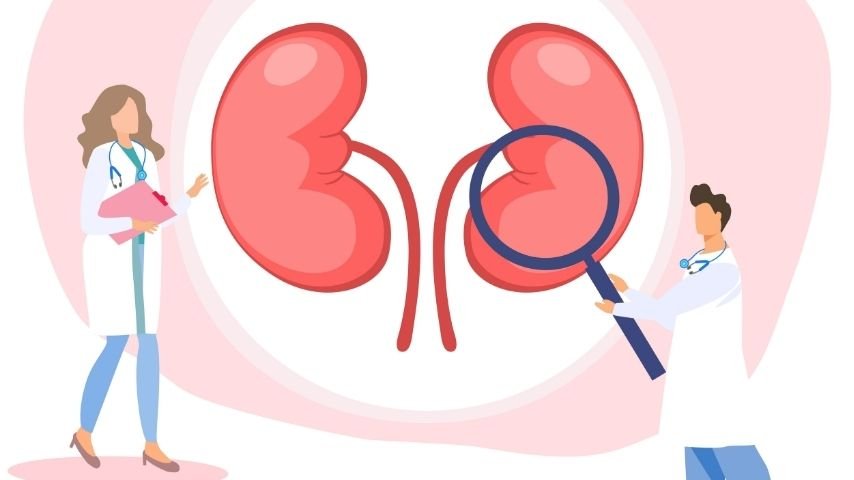
Suggested image: Healthy kidney illustration.
Emotional Recovery and Reassurance
It is normal to feel anxious during recovery. Some patients worry about recurrence or interpret normal symptoms as ECIRS complications.
Open communication with the care team helps address concerns early. Understanding what is normal reduces unnecessary stress.
Suggested image: Reassuring doctor-patient discussion.
When to Contact Your Doctor
Patients are advised to contact their healthcare provider if they develop high fever, worsening pain, heavy bleeding, or difficulty urinating. These symptoms may need prompt evaluation.
Early reporting allows quick treatment and prevents complications from becoming serious.
Suggested image: Patient calling healthcare provider.
Recovery Looks Different for Everyone
No two recoveries are exactly the same. Factors such as stone size, surgery duration, overall health, and previous procedures influence recovery speed.
Comparing recovery experiences with others can be misleading. Focusing on personal progress and medical advice leads to the best outcomes.
Conclusion
Recovery after ECIRS is a gradual and manageable process. The first week focuses on healing, comfort, and monitoring, while long-term recovery emphasizes kidney health and stone prevention. Understanding each stage of recovery helps patients and families feel prepared and reassured. With proper care and follow-up, most patients return to normal life with improved comfort and confidence.
References and Sources
National Institute of Diabetes and Digestive and Kidney Diseases (NIDDK)