What Is Robotic Thyroidectomy and Why Are Doctors Offering It Now?

Medicine Made Simple Summary
Robotic thyroidectomy is a modern way of removing part or all of the thyroid gland using robotic-assisted instruments controlled by a surgeon. Instead of making a cut on the front of the neck, the surgeon reaches the thyroid through hidden areas such as the armpit or chest. The robot does not operate on its own. It simply helps the surgeon make very precise movements. The medical goal of robotic thyroidectomy is the same as traditional surgery, and discussions around robotic thyroid surgery safety focus on proper patient selection and surgeon experience. The main difference is avoiding a visible neck scar in selected patients.
Understanding the Thyroid in Simple Terms
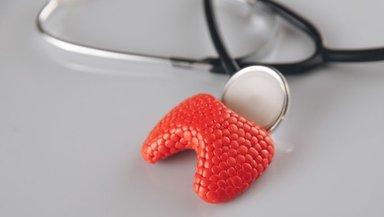
The thyroid gland is a small, butterfly-shaped organ located at the front of the neck. Even though it is small, it has a big job. It controls how fast the body works by releasing hormones into the bloodstream. These hormones affect heart rate, energy levels, body temperature, digestion, and weight.
When the thyroid does not work properly or develops abnormal growths called nodules, it can cause health problems. Some of these problems can be managed with medicines. Others require surgery to remove part or all of the gland.
Why Thyroid Surgery Is Sometimes Necessary
Doctors recommend thyroid surgery for several reasons. Some people develop nodules that grow larger over time or cause pressure symptoms like difficulty swallowing or breathing. Others may have nodules that look suspicious for cancer on scans or biopsy. Thyroid cancer, especially when found early, is often treated very effectively with surgery.
In some patients, the thyroid produces too much hormone and does not respond to medication. In these cases, removing the gland may be the safest long-term solution.
Traditional Thyroid Surgery and the Neck Scar
For decades, thyroid surgery was done through an incision on the front of the neck. This method gives the surgeon direct access to the thyroid and is very safe and effective. However, it leaves a visible scar on the neck.
Although the scar usually heals well, it can remain noticeable. Many younger patients, especially those concerned about appearance or who interact socially or professionally in public, feel anxious about having a permanent neck mark. This concern led doctors to explore alternative surgical approaches.
What Is Robotic Thyroidectomy
Robotic thyroidectomy is a type of minimally invasive surgery that uses robotic technology to assist the surgeon. It does not mean that a robot performs the surgery on its own. The surgeon remains fully in control at all times.
The robotic system translates the surgeon’s hand movements into very precise actions using thin instruments and a high-definition camera. This allows delicate work in tight spaces while avoiding a visible incision on the neck.
How Robotic Thyroidectomy Is Performed
In robotic thyroidectomy, the surgeon makes an incision in a hidden area, most commonly the armpit or upper chest. Through this opening, a tunnel is created under the skin to reach the thyroid gland.
A camera and robotic instruments are then inserted. The surgeon sits at a console and controls the robotic arms. The camera provides a magnified, three-dimensional view of the surgical area. The thyroid gland is carefully separated from surrounding nerves and blood vessels and removed through the same hidden pathway.
Why Doctors Are Offering Robotic Thyroidectomy Now
Robotic thyroidectomy is being offered more often because technology has advanced. Surgical robots have become more precise, safer, and easier to use. Surgeons now have better training opportunities and more experience with these systems.
Another reason is patient demand. Many patients actively ask about scarless or hidden-scar surgery after researching online or seeing others share their experiences. Doctors are responding by offering options where medically appropriate.
Is Robotic Thyroidectomy a New or Experimental Surgery
Many patients worry that robotic thyroidectomy is experimental. In reality, it has been performed for many years in specialized centers around the world. Its safety and effectiveness have been studied extensively, including comparisons such as robotic vs transoral thyroidectomy in selected cases.
However, it is not considered a replacement for traditional surgery. It is an alternative option meant for carefully selected patients.
Who Is Usually Considered for Robotic Thyroidectomy
Robotic thyroidectomy is best suited for patients with small to medium-sized thyroid nodules or early-stage thyroid cancer. It is often chosen by patients who strongly prefer to avoid a neck scar and meet medical criteria, which defines robotic thyroidectomy eligibility.
Patients with very large thyroids, advanced cancer, or previous neck surgeries may not be ideal candidates. In these cases, traditional surgery is often safer.
Safety of Robotic Thyroidectomy
From a medical perspective, robotic thyroidectomy is considered safe when performed by experienced surgeons on appropriate patients. The risks are similar to traditional thyroid surgery. These include temporary voice changes, calcium imbalance, bleeding, or infection.
Because the access route is different, some patients may experience discomfort in the chest, shoulder, or armpit area after surgery. These symptoms usually improve over time.
Does the Robot Make Surgery Better
Patients often assume that robotic surgery is automatically better because it sounds advanced. In reality, the robot is a tool. It enhances the surgeon’s precision and vision, but it does not replace surgical judgment.
A well-performed traditional surgery is always better than a poorly performed robotic one. Outcomes depend more on surgeon experience than on technology alone.
Recovery After Robotic Thyroidectomy
Recovery after robotic thyroidectomy is similar to traditional surgery in many ways, and the robotic thyroidectomy recovery experience varies slightly depending on the surgical approach and individual healing. Hospital stay is usually one to two days. Pain is generally mild to moderate and manageable with medication.
Because there is no neck incision, patients do not have to worry about scar care on the neck. Some patients report chest or shoulder stiffness initially, which gradually improves.
Long-Term Life After Surgery
Long-term life after robotic thyroidectomy depends on how much of the thyroid was removed. If the entire thyroid is removed, lifelong thyroid hormone tablets are needed. These tablets replace the hormone the body can no longer produce.
If only part of the thyroid is removed, some patients may not need medication. Regular follow-up and blood tests help ensure hormone levels stay balanced.
Why Some Doctors Do Not Offer Robotic Thyroidectomy
Not all surgeons offer robotic thyroidectomy. This does not mean they are outdated or less skilled. Robotic surgery requires specific training, equipment, and hospital infrastructure.
Many excellent surgeons choose traditional surgery because it is safe, effective, and suitable for a wide range of patients. Offering robotic surgery is a choice, not a requirement.
Understanding the Role of Cosmetic Preference
For many patients, avoiding a neck scar has emotional and psychological importance. Feeling confident about appearance can affect social interactions and self-esteem.
However, cosmetic preference should never override medical safety. Doctors who recommend against robotic surgery usually do so because they believe another approach is safer.
Clearing Common Misunderstandings
Robotic thyroidectomy is not scar-free in the sense that there are no cuts at all. The scar is simply hidden. It is not painless. It is not suitable for everyone. It does not eliminate the need for follow-up or medication.
Understanding these facts helps patients avoid unrealistic expectations and prepares them to ask the right questions to ask before robotic thyroidectomy.
Making an Informed Choice
Choosing robotic thyroidectomy should be a shared decision between the patient and surgeon. It should consider medical condition, anatomy, surgeon experience, cost, and personal values.
An informed choice leads to higher satisfaction and peace of mind.
Conclusion
If you have been advised thyroid surgery and are curious about robotic options, consult an experienced thyroid surgeon. Ask whether robotic thyroidectomy is safe and suitable for your condition. A clear discussion will help you choose the option that best fits your health needs and personal priorities.