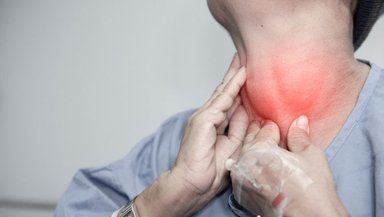
Am I Eligible for Robotic Thyroidectomy or Is My Doctor Right to Say No?
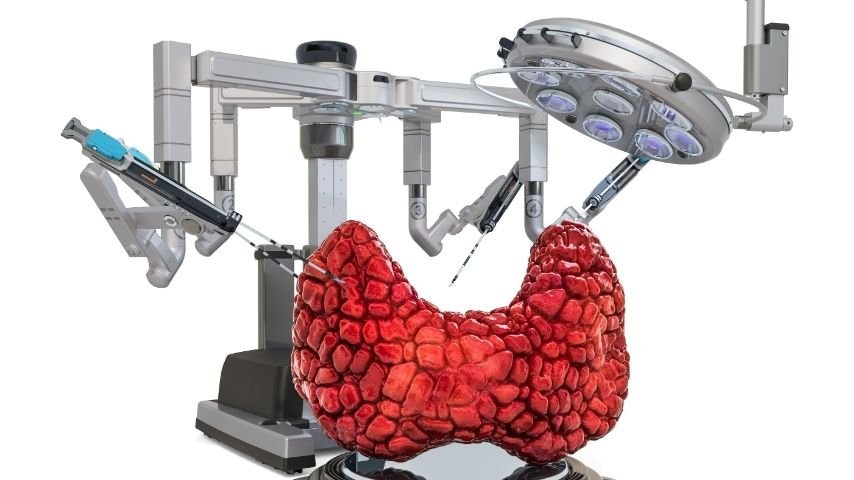
Medicine Made Simple Summary
Robotic thyroidectomy is a surgical method where the thyroid gland is removed using robotic instruments through hidden entry points such as the armpit or chest. It is designed to avoid a visible neck scar. Understanding what is robotic thyroidectomy helps patients see why not all patients are suitable candidates. Eligibility depends on thyroid size, type of disease, cancer stage, anatomy, and prior surgeries. When a doctor says no to robotic surgery, it is usually for safety reasons, not lack of skill or choice. Understanding eligibility helps patients accept recommendations with clarity.
Why This Question Causes So Much Frustration
Many patients feel hopeful when they first learn about robotic thyroidectomy. The idea of avoiding a neck scar feels reassuring. However, frustration often follows when a doctor says the patient is not eligible, even though this decision is closely linked to robotic thyroid surgery safety.
This situation can feel personal. Patients may wonder if their concerns were dismissed or if the doctor is outdated. In reality, eligibility for robotic thyroidectomy is a medical decision based on safety, not preference.
What Eligibility Really Means in Surgery
Eligibility does not mean deserving or undeserving. It means whether a procedure can be performed safely and effectively for a specific body and condition.
In thyroid surgery, eligibility is especially important because vital nerves, blood vessels, and hormone-regulating glands are involved. A method that works well for one patient may be risky for another.
Basic Conditions Required for Robotic Thyroidectomy
Robotic thyroidectomy is best suited for patients with small to medium-sized thyroid glands. The thyroid problem should be well-defined and confined.
Most patients who qualify have benign nodules, low-risk thyroid cancer, or thyroid disease that has not spread beyond the gland. These conditions allow the surgeon to safely reach and remove the thyroid through a longer, indirect pathway.
Thyroid Size and Why It Matters
One of the most important factors is the size of the thyroid gland. Large thyroids or goiters take up more space and may extend behind the breastbone or into the chest.
Removing a large gland through a narrow robotic pathway increases the risk of incomplete removal or injury to surrounding structures. In such cases, open surgery offers better visibility and control.
Cancer Stage and Spread
Patients with thyroid cancer often ask whether robotic surgery is safe. For early-stage cancers that are small and limited to the thyroid, robotic thyroidectomy may be an option, including carefully selected cases of robotic thyroidectomy for thyroid cancer.
However, if cancer has spread to lymph nodes or nearby tissues, open surgery is usually safer. It allows wider exposure and more thorough removal. Choosing robotic surgery in advanced cancer can compromise cancer control.
Why Previous Neck Surgery Changes Eligibility
Patients who have had previous neck surgery or radiation therapy often develop scar tissue inside the neck. This scar tissue makes surgical planes harder to identify.
Robotic surgery relies on predictable anatomy. Scar tissue increases the risk of complications. In these cases, open surgery provides better access and safer dissection.
Body Structure and Anatomy
Every neck and chest anatomy is different. Factors such as neck length, shoulder width, chest wall thickness, and overall body structure affect whether robotic instruments can reach the thyroid safely.
These factors are assessed through physical examination and imaging, not based on appearance alone.
Medical Conditions That Influence Eligibility
Certain medical conditions can affect surgical planning. Bleeding disorders, severe infections, or uncontrolled medical illnesses may delay or limit surgical options.
Eligibility is sometimes temporary. Once a medical condition is controlled, options may be reconsidered.
Why Some Doctors Offer Robotic Surgery and Others Do Not
Not all surgeons are trained in robotic thyroidectomy. This does not mean one surgeon is better than another. It simply reflects differences in training, experience, and available equipment, including familiarity with approaches such as robotic vs transoral thyroidectomy.
A surgeon who does not offer robotic surgery may still be highly skilled in open thyroid surgery, which remains the gold standard for many cases.
When a Doctor Says No for the Right Reasons
When a doctor advises against robotic thyroidectomy, it is usually because they believe another approach is safer. This recommendation is based on medical evidence, experience, and concern for patient outcomes.
Doctors are ethically required to recommend what they believe is best, even if it is not what the patient initially wants.
The Emotional Side of Being Told No
Being told no can feel disappointing, especially when a patient has mentally prepared for robotic surgery. Some patients feel unheard or worry they are missing out on a better option.
Understanding that the recommendation is about safety, not denial, helps reduce this emotional impact.
Getting a Second Opinion
It is reasonable to seek a second opinion, especially if you feel uncertain. A second opinion can confirm eligibility or explain why robotic surgery is not advised.
However, if multiple experienced surgeons give the same recommendation, it usually reflects a true medical limitation rather than individual bias.
Differences Between Honest Advice and Dismissal
Patients should feel that their concerns are heard. A good consultation includes explanation, not just refusal.
If a doctor takes time to explain why robotic surgery is not suitable, it shows respect for the patient’s values and intelligence.
Why Forcing Robotic Surgery Can Be Risky
Some patients actively search for a surgeon willing to perform robotic surgery despite medical concerns. This can be dangerous.
Choosing a procedure against medical advice increases the risk of complications, incomplete treatment, or need for additional surgery.
Understanding That Open Surgery Is Not Inferior
Many patients equate robotic surgery with better care. This is not accurate. Open thyroid surgery has excellent outcomes and has been safely performed for decades.
A well-done open surgery is far better than a risky robotic one.
How Surgeons Balance Preference and Safety
Surgeons consider patient preference seriously. If robotic surgery is safe and appropriate, many are happy to offer it.
When safety is compromised, surgeons must prioritize health outcomes over cosmetic wishes.
Accepting Recommendations Without Losing Control
Accepting a recommendation does not mean giving up control. It means trusting expertise while staying informed.
Patients who understand the reasoning behind decisions often feel more empowered, not less.
Reframing the Decision
Instead of asking why you cannot have robotic surgery, it may help to ask why a certain approach is safest for you. This shift in perspective often brings clarity.
What Really Defines a Good Outcome
A good outcome means the thyroid problem is treated completely, complications are minimized, and long-term health is preserved.
Scar location is secondary to these goals.
Trust Built Through Transparency
Trust grows when doctors explain decisions clearly and patients feel included in the conversation. Transparency reduces fear and builds confidence.
Preparing Mentally for Surgery
Understanding why a particular approach is chosen helps patients prepare emotionally. This preparation often leads to smoother recovery.
Conclusion
If you have been told you are not eligible for robotic thyroidectomy, ask your surgeon to explain the reasons clearly. Understanding the medical logic will help you move forward with confidence and choose the safest path for your health.