Thoracentesis Recovery Timeline: What Happens After the Procedure
Medicine Made Simple Summary
After thoracentesis, most patients recover quickly and experience relief in breathing within a short time. The procedure itself is brief, and recovery usually begins immediately after fluid removal. Patients may feel mild soreness or tiredness, but serious problems are uncommon. Doctors observe patients for a short period to ensure breathing is stable. Knowing what happens in the minutes, hours, and days after thoracentesis helps patients and families feel reassured and better prepared for recovery at home, especially when they understand both recovery and Thoracentesis preparation expectations.
What Recovery Really Means After Thoracentesis
Recovery after thoracentesis does not usually involve long bed rest or hospital stays. For most people, recovery means monitoring breathing, allowing the needle site to heal, and gradually returning to normal activities.
Unlike surgery, thoracentesis does not involve cutting muscle or bone. This is why healing is generally fast. Understanding this helps patients set realistic expectations and reduces unnecessary worry after the Thoracentesis procedure.
Immediately After the Procedure
Right after thoracentesis, patients are usually asked to sit upright or rest comfortably. Nurses or doctors monitor breathing, heart rate, and oxygen levels. This observation period is important to ensure the lungs are expanding properly.
Many patients notice easier breathing almost immediately. This relief can feel dramatic, especially if a large amount of fluid was removed. Some patients may feel slightly lightheaded or tired, which usually passes quickly.
A small bandage is placed over the needle site. Stitches are rarely required.
The First Few Hours After Thoracentesis
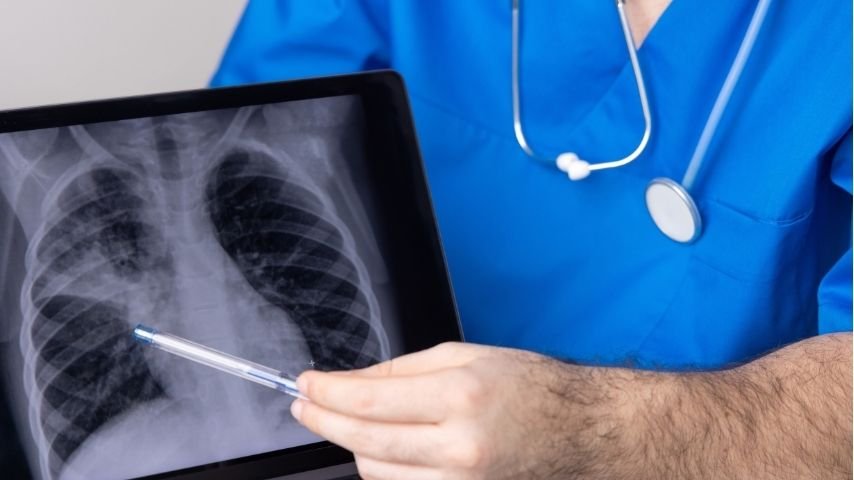
During the first few hours, patients are often observed in the hospital or clinic. Some doctors order a chest X-ray to confirm that the lungs look normal after fluid removal.
Mild soreness at the procedure site is common and is often the main Thoracentesis pain concern patients ask about. This usually feels like muscle pain and does not worsen with time. Over-the-counter pain relief is often sufficient, if needed.
Most patients can eat, drink, and talk normally during this period.
Going Home the Same Day
Many thoracentesis procedures are done on an outpatient basis. This means patients can go home the same day once observation is complete.
Doctors provide instructions about activity, wound care, and symptoms to watch for. Patients are usually advised to take it easy for the rest of the day.
Having a family member or friend accompany the patient can be helpful, especially if the patient feels tired or anxious.
The First 24 Hours at Home
During the first day at home, patients may feel mild discomfort at the needle site. This should gradually improve rather than worsen. Keeping the bandage clean and dry is usually recommended.
Breathing often continues to feel easier. Some patients may cough more as the lungs adjust. This is usually temporary.
Strenuous activity, heavy lifting, and intense exercise are generally avoided during this time.
Day Two to Three After Thoracentesis
By the second or third day, most patients feel close to normal. The needle site may still feel slightly tender but should not be painful.
Normal daily activities can usually be resumed gradually. Walking and light tasks are encouraged as long as breathing feels comfortable.
If symptoms such as breathlessness return quickly, patients should inform their doctor, as this may indicate fluid re-accumulation.
When Full Recovery Is Expected
For most people, full recovery occurs within a few days. There are no long-term restrictions related to the procedure itself.
Recovery may feel longer if the underlying illness causing pleural fluid is still active. In such cases, recovery depends more on managing the main condition than on healing from thoracentesis.
Understanding this distinction prevents frustration and confusion.
Normal Sensations During Recovery
Some sensations are common and not alarming. Mild soreness, temporary cough, and fatigue are expected.
A pulling feeling when taking deep breaths may occur briefly as the lungs re-expand. This usually resolves without treatment.
Knowing what is normal helps patients avoid unnecessary panic.
Warning Signs That Need Medical Attention
Certain symptoms should not be ignored. Increasing shortness of breath, sharp chest pain, fever, or redness and swelling at the needle site require prompt medical evaluation.
These symptoms are uncommon but important. Early reporting allows quick treatment and prevents complications.
Patients should always follow the specific instructions given by their healthcare team.
Recovery in Patients Who Need Repeated Thoracentesis
Some patients need thoracentesis more than once. In these cases, recovery from each procedure is usually similar.
Knowing the recovery pattern helps patients plan ahead and manage anxiety. Doctors may also discuss longer-term solutions if fluid returns frequently.
Repeated procedures do not usually slow healing.
Emotional Recovery After the Procedure
Recovery is not only physical. Many patients feel emotional relief once breathing improves. Anxiety about the unknown often fades after experiencing the procedure.
Family members also feel reassured when they see improvement. Open communication during recovery strengthens trust and confidence.
Role of Follow-Up Appointments
Follow-up visits help doctors assess recovery and plan next steps. Imaging or lab results from the fluid analysis may be discussed.
These appointments are important for addressing the underlying cause of pleural fluid. Recovery is more complete when long-term management is clear.
Why Understanding Recovery Matters
Patients who know what to expect are less anxious and more confident during recovery. They are also more likely to recognize warning signs early.
Education turns recovery into an active process rather than a fearful waiting period.
Conclusion
If you are recovering from thoracentesis, follow your doctor’s instructions and listen to your body. Report any concerning symptoms early and attend follow-up visits as advised. Understanding the recovery process helps you heal with confidence and peace of mind.
References and Sources
Cleveland Clinic – Thoracentesis Recovery and Care
RadiologyInfo.org – After Thoracentesis