Revision Hip vs Revision Knee Surgery: Which Is Harder to Recover From?
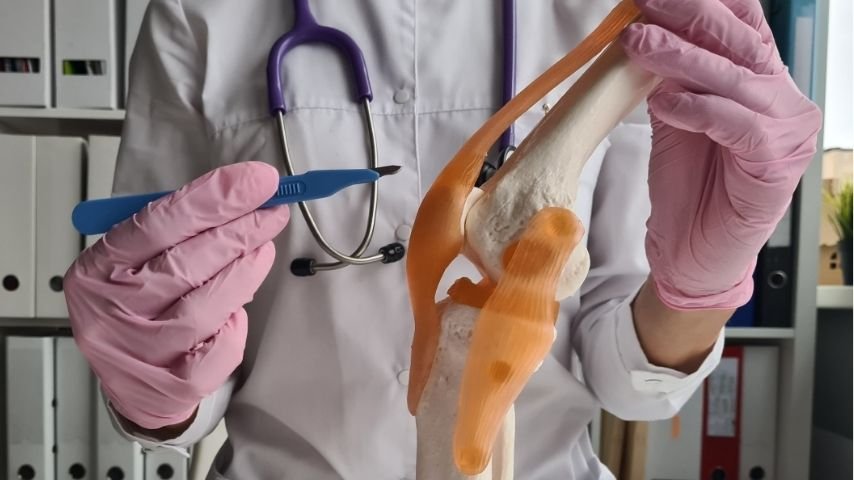
Medicine Made Simple Summary
Revision hip and revision knee replacement surgeries are procedures where an old joint implant is removed and replaced with a new one because the first implant has failed. Both surgeries are more complex than first-time joint replacement. Recovery depends on the joint involved, bone quality, muscle strength, and the reason for revision. In general, revision knee surgery often involves more stiffness and longer rehabilitation, while revision hip surgery may involve balance and stability challenges. The goal of both procedures is to reduce pain, restore movement, and allow safe walking again.
Why Patients Ask This Question So Often
When patients are told they need revision surgery, one of the first questions they ask is whether hip or knee revision is harder to recover from. This question often comes from fear and past experience.
Many patients remember how difficult their first surgery felt. Families worry about pain, mobility, and how long recovery will take the second time. Understanding the differences between hip and knee revision recovery helps patients prepare mentally and physically.
Understanding Revision Surgery in Simple Terms
Revision surgery means the original artificial joint is no longer working properly. The surgeon must remove the old implant and place a new one.
This process is more demanding than first-time surgery because the joint has already been operated on. There may be scar tissue, bone loss, or muscle weakness. The body needs more time to heal and adapt.
Recovery is influenced by the joint involved, not just the surgery itself.
How the Hip and Knee Function Differently
The hip is a ball-and-socket joint. It allows smooth movement in many directions and plays a major role in balance.
The knee works like a hinge. It bends and straightens while supporting the body’s weight. It is closely linked to walking, sitting, and climbing stairs.
Because these joints function differently, recovery after revision surgery also differs.
Why Revision Knee Surgery Often Feels Harder
Many patients report that revision knee surgery feels harder to recover from than revision hip surgery.
The knee has less natural movement flexibility. Scar tissue can form easily and limit bending. Swelling around the knee often lasts longer.
Regaining knee movement requires regular, sometimes uncomfortable physiotherapy. Stiffness can be frustrating and slow to improve.
Pain and Stiffness After Revision Knee Surgery
Pain after revision knee surgery can last longer than after hip revision. This is because the knee joint is closer to the skin and has more nerve endings.
Swelling can make bending difficult. Patients may struggle to sit comfortably or climb stairs early in recovery.
With consistent therapy and patience, most patients gradually regain function, but progress can feel slow.
Why Revision Hip Surgery Has Different Challenges
Revision hip surgery often causes less stiffness compared to knee surgery, but it brings other challenges.
Balance is a major concern. Muscles around the hip may be weak or damaged from previous surgery. Patients may feel unsteady while walking.
There is also a higher risk of hip dislocation early in recovery, especially if muscle support is poor.
Walking and Mobility After Each Surgery
After revision knee surgery, walking often feels difficult because bending and straightening the knee takes effort.
After revision hip surgery, walking may feel easier earlier, but balance and confidence can take time to return.
Both surgeries require walking aids initially. The type and duration depend on individual recovery.
Rehabilitation Differences Between Hip and Knee
Rehabilitation after knee revision focuses heavily on restoring movement. Daily exercises are essential to prevent stiffness.
Hip revision rehabilitation focuses more on strengthening muscles and improving balance. Movement usually returns more naturally.
Because knee rehabilitation can be physically demanding, many patients feel it requires more effort and persistence.
Hospital Stay and Early Recovery
Hospital stays for both surgeries are similar, though knee revision patients may stay slightly longer due to pain and mobility issues.
Early recovery for knee revision involves managing swelling and encouraging movement. For hip revision, early focus is on safe movement and preventing dislocation.
Both require close monitoring and pain control.
Long-Term Function After Revision Surgery
Long-term outcomes depend on the reason for revision, surgical technique, and rehabilitation.
Many patients regain good walking ability after both surgeries. However, knees may feel less “natural” compared to hips.
Hip revision patients often report smoother movement, while knee revision patients may notice ongoing stiffness in certain positions.
Factors That Affect Recovery More Than the Joint Type
Age, overall health, bone quality, muscle strength, and motivation play a major role in recovery.
Patients with strong support systems and good physiotherapy adherence recover better regardless of joint type.
Infection-related revisions often take longer to recover from than mechanical failures.
Emotional Experience of Recovery
Revision surgery can feel emotionally draining. Patients may feel discouraged if recovery is slower than expected.
Knee revision patients often express frustration due to stiffness and slow progress. Hip revision patients may fear falling or dislocation.
Clear expectations and reassurance help reduce anxiety during recovery.
Why Comparing Recoveries Can Be Misleading
No two revision surgeries are the same. Comparing one person’s recovery to another can create unnecessary worry.
Some knee revisions recover faster than hip revisions and vice versa. The condition of the joint matters more than the label.
Doctors focus on individual factors rather than general comparisons.
How Doctors Decide What to Expect
Surgeons assess bone quality, muscle strength, implant stability, and reason for revision before surgery.
Based on this, they explain likely recovery challenges. Honest discussions help patients prepare realistically.
Understanding what lies ahead improves cooperation with rehabilitation.
Conclusion
Both revision hip and revision knee replacement surgeries are complex but effective procedures. Recovery challenges differ rather than compete.
Revision knee surgery often involves more stiffness and demanding rehabilitation. Revision hip surgery may involve balance and stability concerns.
With proper care, realistic expectations, and expert surgical guidance, both procedures can significantly improve quality of life.
If you are facing revision hip or knee replacement surgery, discuss recovery expectations openly with your surgeon. Understanding the specific challenges of your joint helps you prepare physically and emotionally for a smoother recovery.