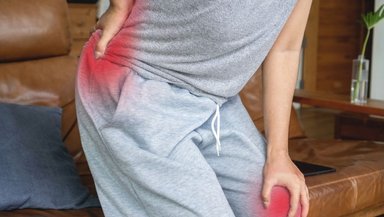
Life After Revision Joint Replacement: Mobility, Lifestyle, and Long-Term Care
Medicine Made Simple Summary
Life after revision hip or knee replacement surgery involves gradual healing, careful rehabilitation, and long-term joint care. The surgery replaces a failed joint implant with a new one, allowing improved stability and reduced pain. Recovery takes longer than after first-time replacement, but most patients regain the ability to walk, perform daily activities, and live independently. Long-term success depends on protecting the joint, maintaining muscle strength, attending follow-up visits, and making simple lifestyle adjustments to avoid future problems.
Why Life After Revision Surgery Feels Uncertain
After revision joint replacement surgery, many patients feel relief that the painful joint has been treated. At the same time, new worries appear.
Patients often ask whether they will walk normally again, return to work, or live without fear of another failure. These questions are natural. Revision surgery is a major event, and recovery does not end when the hospital stay ends.
Understanding what life looks like after revision surgery helps patients regain confidence and plan for the future.
The Early Phase of Life After Surgery
In the first few weeks after revision surgery, life revolves around recovery. Pain control, wound healing, and basic movement are the focus.
Patients usually depend on walking aids and family support. Daily tasks may take more effort. Fatigue is common.
This phase is temporary. It is part of the healing process and not a sign of permanent limitation.
Regaining Mobility Step by Step
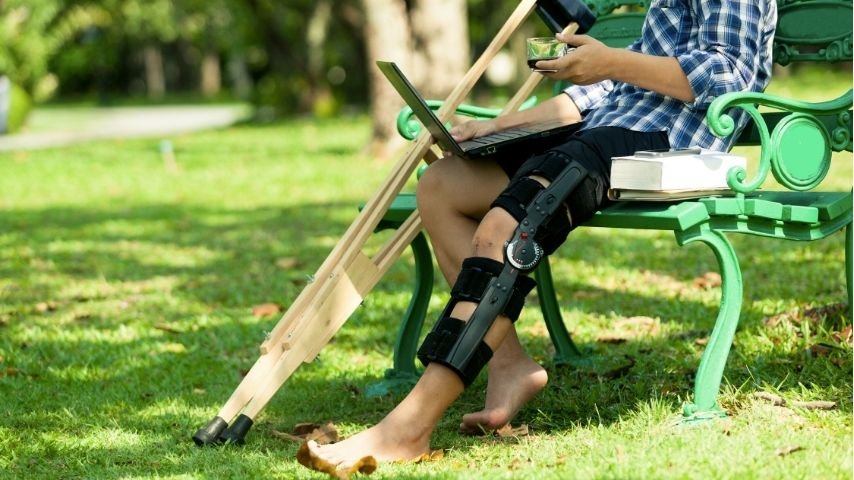
Walking ability improves gradually after revision joint replacement. Most patients start with walkers or crutches, then move to a cane, and eventually walk independently.
Progress may feel slow compared to first-time surgery. Muscles need time to regain strength. Balance and coordination also need retraining.
Consistency matters more than speed. Small improvements add up over time.
Differences Between Hip and Knee Revision in Daily Life
After hip revision surgery, patients often regain smooth walking earlier but may feel cautious with balance. Certain movements may feel restricted initially.
After knee revision surgery, stiffness can be more noticeable. Sitting, standing, and stair climbing may take longer to feel comfortable.
Despite these differences, both surgeries aim to restore independence and daily function.
Returning to Daily Activities
Most patients gradually return to daily activities such as bathing, dressing, cooking, and household chores.
Light activities usually resume first. More demanding tasks take longer. Patients learn to listen to their bodies and pace themselves.
Using proper movement techniques protects the joint and reduces strain.
Work and Social Life After Revision Surgery
Return to work depends on the type of job and recovery speed. Desk-based work may resume earlier than physically demanding jobs.
Social activities also return gradually. Patients may avoid long outings initially but gain confidence over time.
Remaining socially active supports emotional recovery and overall well-being.
Physical Activity and Exercise in the Long Term
Exercise plays a crucial role in long-term success after revision surgery.
Low-impact activities help maintain joint movement and muscle strength. Walking, gentle cycling, and guided exercises are commonly encouraged.
High-impact activities and heavy lifting may be discouraged to protect the implant. Activity choices should always be discussed with the care team.
Protecting the Revised Joint
Protecting the revised joint is a lifelong commitment.
Avoiding sudden twisting movements, falls, and excessive strain reduces wear on the implant. Maintaining good posture and using supportive footwear also help.
These habits become routine over time and do not limit quality of life.
Weight Management and Joint Health
Body weight has a direct effect on joint implants. Excess weight increases stress on the joint and may shorten implant lifespan.
Maintaining a healthy weight supports mobility and reduces pain. Even small weight changes can make a noticeable difference.
Healthy eating and regular activity support both joint and overall health.
Long-Term Pain Expectations
Most patients experience significant pain relief after revision surgery. Mild discomfort or stiffness may persist, especially with weather changes or prolonged activity.
Severe or worsening pain is not normal and should be evaluated. Ongoing pain does not mean surgery has failed, but it should never be ignored.
Understanding realistic pain expectations helps patients stay reassured.
Follow-Up Visits and Monitoring
Regular follow-up visits are essential after revision joint replacement.
Doctors monitor implant position, bone health, and joint function. Imaging and physical examination help detect problems early.
Skipping follow-up appointments increases the risk of late complications going unnoticed.
Preventing Future Revision Surgery
While no implant lasts forever, proper care can extend implant life.
Following activity recommendations, managing weight, and treating infections promptly reduce risk. Informing doctors and dentists about the joint replacement is important, as infections elsewhere can affect the joint.
These preventive steps become part of normal health care.
Emotional Adjustment After Revision Surgery
Emotional recovery is often overlooked. Many patients fear another failure or feel anxious about movement.
Confidence builds gradually as strength and mobility improve. Family reassurance and clear guidance from doctors help reduce fear.
Emotional recovery usually follows physical recovery, not the other way around.
Support From Family and Caregivers
Family support remains important even months after surgery.
Encouragement, patience, and understanding help patients stay motivated during long recovery periods. Overprotection should be avoided, as independence builds confidence.
A balanced support system leads to better outcomes.
When Life Feels “Normal” Again
Patients often ask when life will feel normal again. The answer varies.
For many, a sense of normalcy returns between six months and one year after surgery. This includes comfortable walking, improved confidence, and reduced focus on the joint.
Normal does not mean identical to before arthritis. It means living with less pain and greater freedom.
Warning Signs to Watch in the Long Term
Even years after surgery, certain signs should not be ignored.
Increasing pain, swelling, instability, or sudden changes in walking should prompt medical evaluation. Early attention prevents major problems.
Awareness protects long-term joint health.
Conclusion
Life after revision joint replacement is a journey, not a single event. Recovery takes time, patience, and commitment.
Most patients regain mobility, independence, and confidence. With proper care and realistic expectations, revision surgery allows a return to meaningful daily life.
Knowledge and preparation turn uncertainty into confidence.
If you have undergone or are preparing for revision joint replacement surgery, discuss long-term lifestyle and activity guidance with your surgeon. A clear plan helps protect your joint and supports an active, confident future.